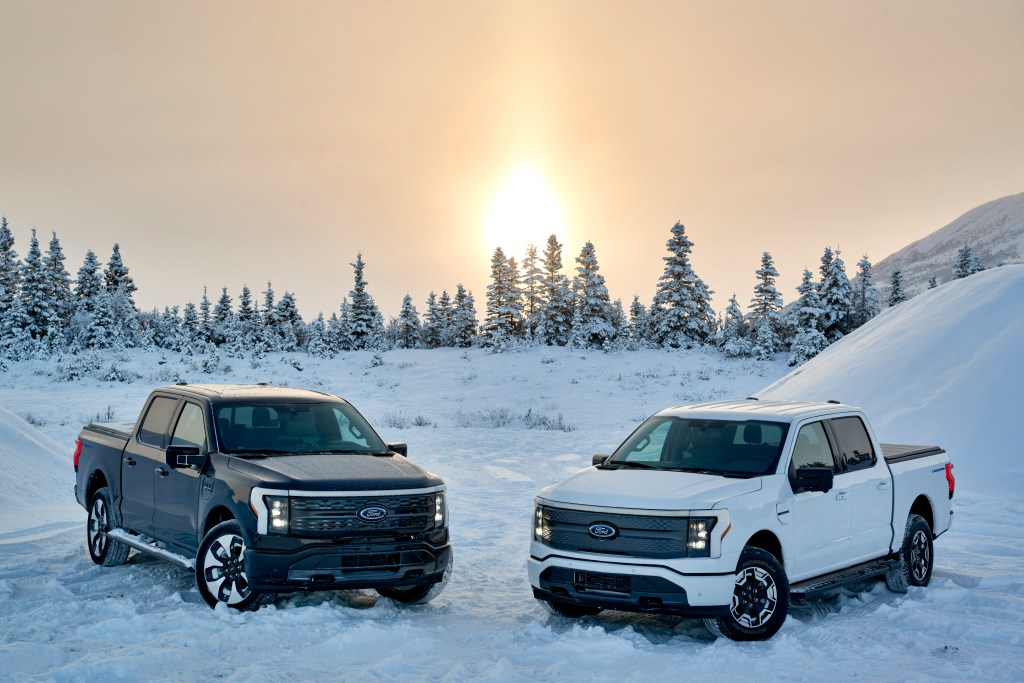
Photo by Ford Media Center.
Despite opposition from politicians, Americans will soon have to switch to electric modes of transportation. China, Canada, and the EU have all embraced the change, building enormous amounts of electric infrastructure to facilitate the rising number of electric cars on the road, providing enticing incentives, and striking deals with automobile manufacturers to create factories in their respective countries. The US, on the other hand, has been different. A lack of recognition and opposition by political powers have plagued the spread of the electric car, even if we all will one day have to live with one. Companies like Nissan, Tesla, Volvo, and more have all been successful in selling electric crossovers and hatchbacks in the US, despite the aforementioned hurdles surrounding the American car market. However, one major segment of the market hadn’t even been touched yet. That segment was the pickup truck.
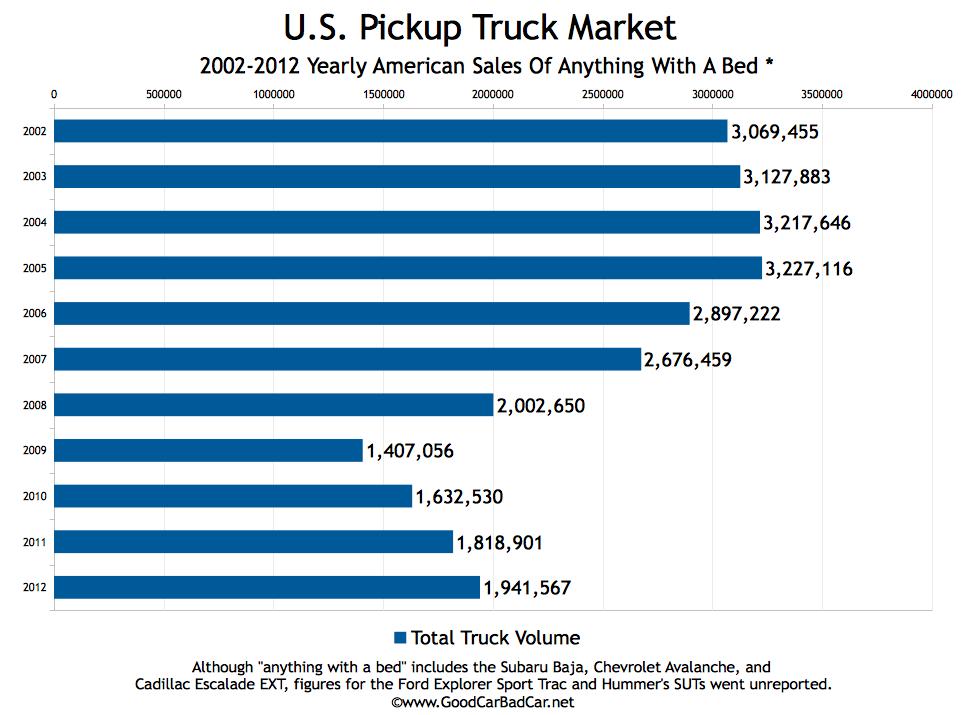
For Americans, the pickup truck is deeply rooted in blue-collar, working-class landscapes where you and your farm reign supreme. The pickup truck has always been a symbol of freedom, an obtainable vehicle that can tackle anything, anywhere. Even with the rise of +$100k trucks, that notion of obtainability is still ever present. The Ford F-150 has been the best-selling vehicle in the United States for 42 years in a row. Think about that. 42 years. Over 40 million F-150s have been produced and sold, and that doesn’t take into account Silverados, Rams, Sierras, Tacomas, Tundras, Frontiers, and the various other pickup trucks sold just in the United States. Naturally, when the sign of the times pointed to electrification, you would think that the big three, Ford, GM, and FCA (Now Stellantis), would have raced to be the first manufacturer of the electric pickup truck. These companies all had the resources, money, and abilities to create an electric pickup, but none of that mattered. What matters, is the appeal.
When Rivian released their first prototype of the RT1 back in 2018, the world had mixed reactions. Some people loved it, and some deeply didn’t. While very striking, the R1T lacked a utilitarian edge. It was too premium. The R1T appealed to a niche group of people that wanted a pickup truck but didn’t need the utilitarian edge to it. The main problem, however, was the price. While pricing wasn’t announced back in 2018, it was clear to many that this wasn’t going to be a cheap truck. Low and behold, said people were right, as the starting price of a base model Rivian R1T is $79,000. $79,000 is a lot of money for a new, unproven product that, while a pickup truck, doesn’t appeal to the millions of people who would want to use it for everyday utilitarian use. I’m not saying the R1T is a bad truck, I quite like it, it’s just that the R1T isn’t the truck that would kick-start a revolution in mainstream American pickup trucks. Luckily, Ford realized that as well.

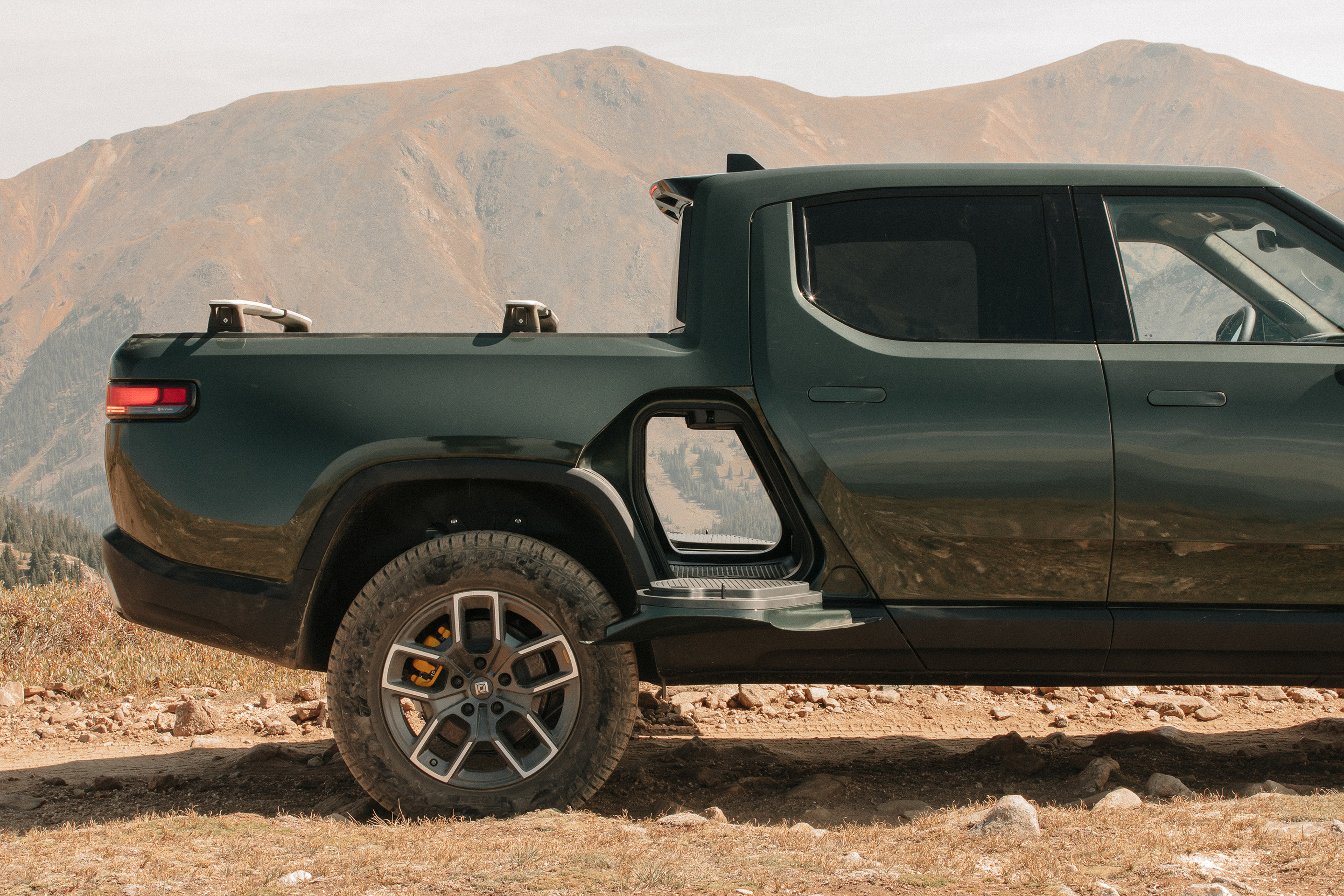


Photos by Rivian Press Center.
In January of 2019, Ford released the first mock-up of their highly anticipated electric F-150, called the Lightning. Visually, it isn’t too dissimilar to a regular F-150. The design language is the same, with a similar front grille, similar tailgate, and crucially, similar interior. Ford did what Rivian didn’t do: create a familiar, mass-market product for people who needed a pickup truck for pickup truck uses. The Lightning, whose name is an homage to the 1990s and early 2000s SVT Lightning made shockwaves around the automotive industry. While you can’t please everyone, there was a majority consensus that this was a good automobile. It looked like an F-150, cost about the same as mid-trim F-150s ($39,000), and could power a house in case of a power outage. Naturally, order books were filled within minutes, so much so, that there is a current three-year long backlog of orders.
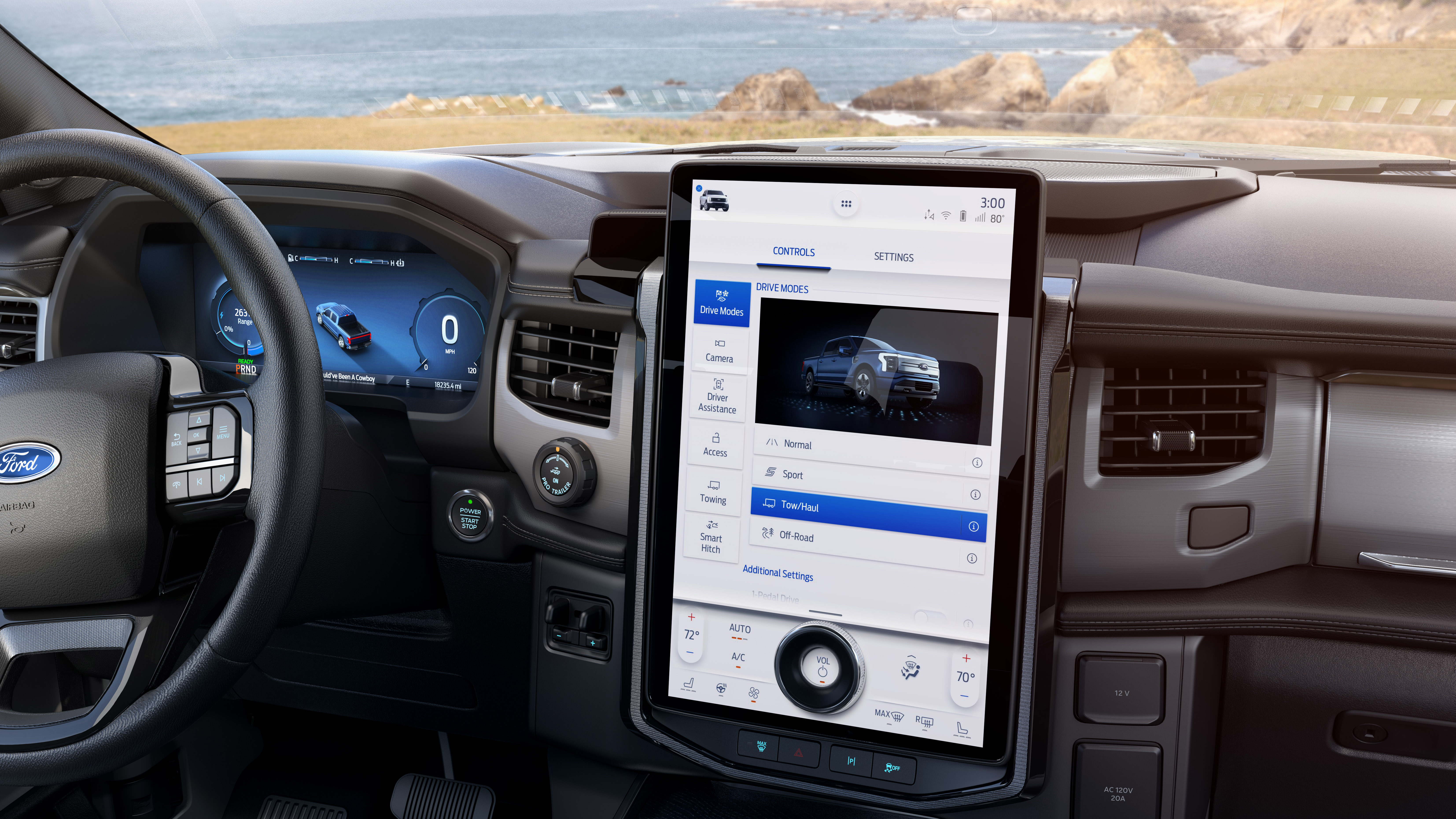
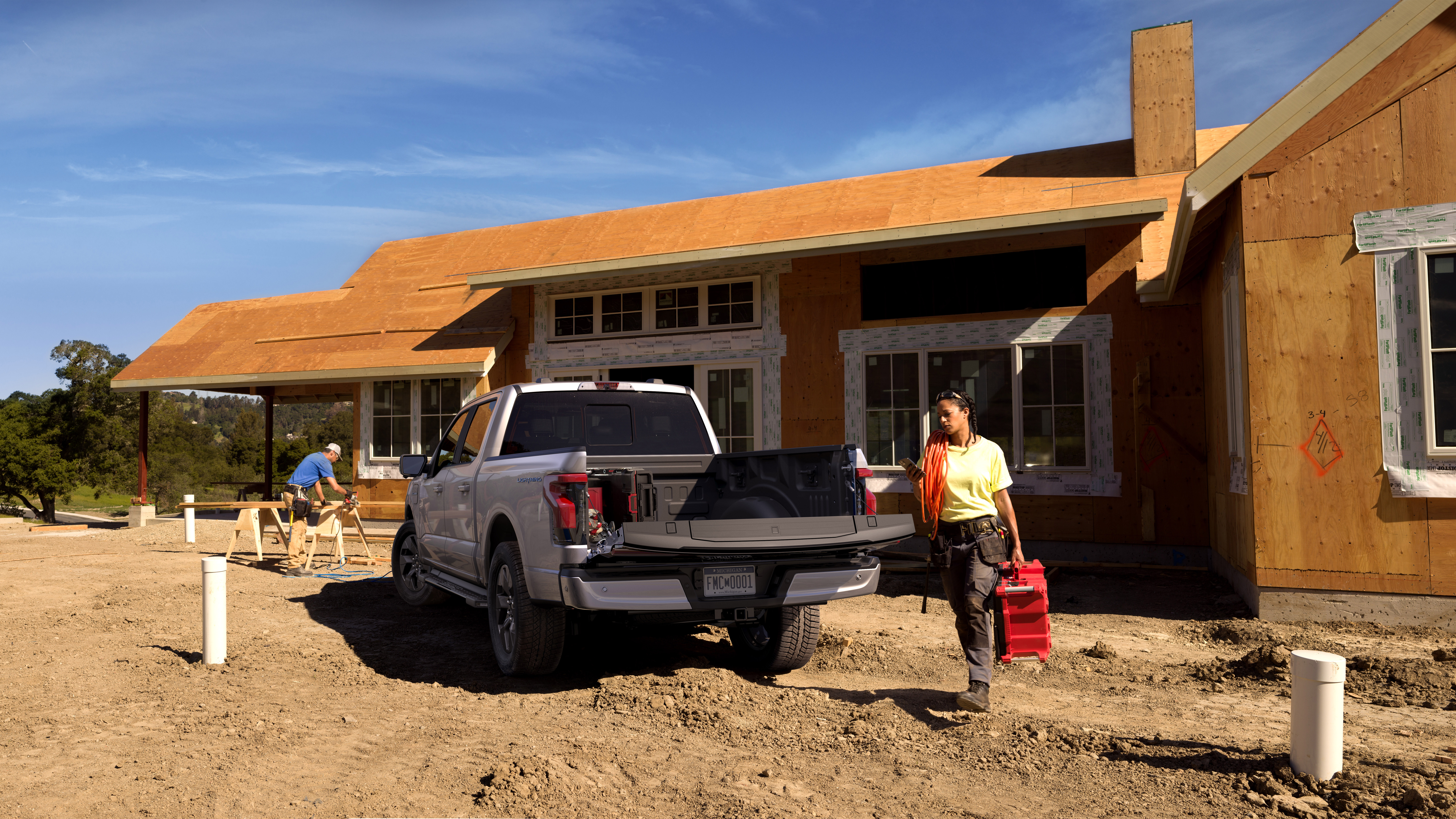

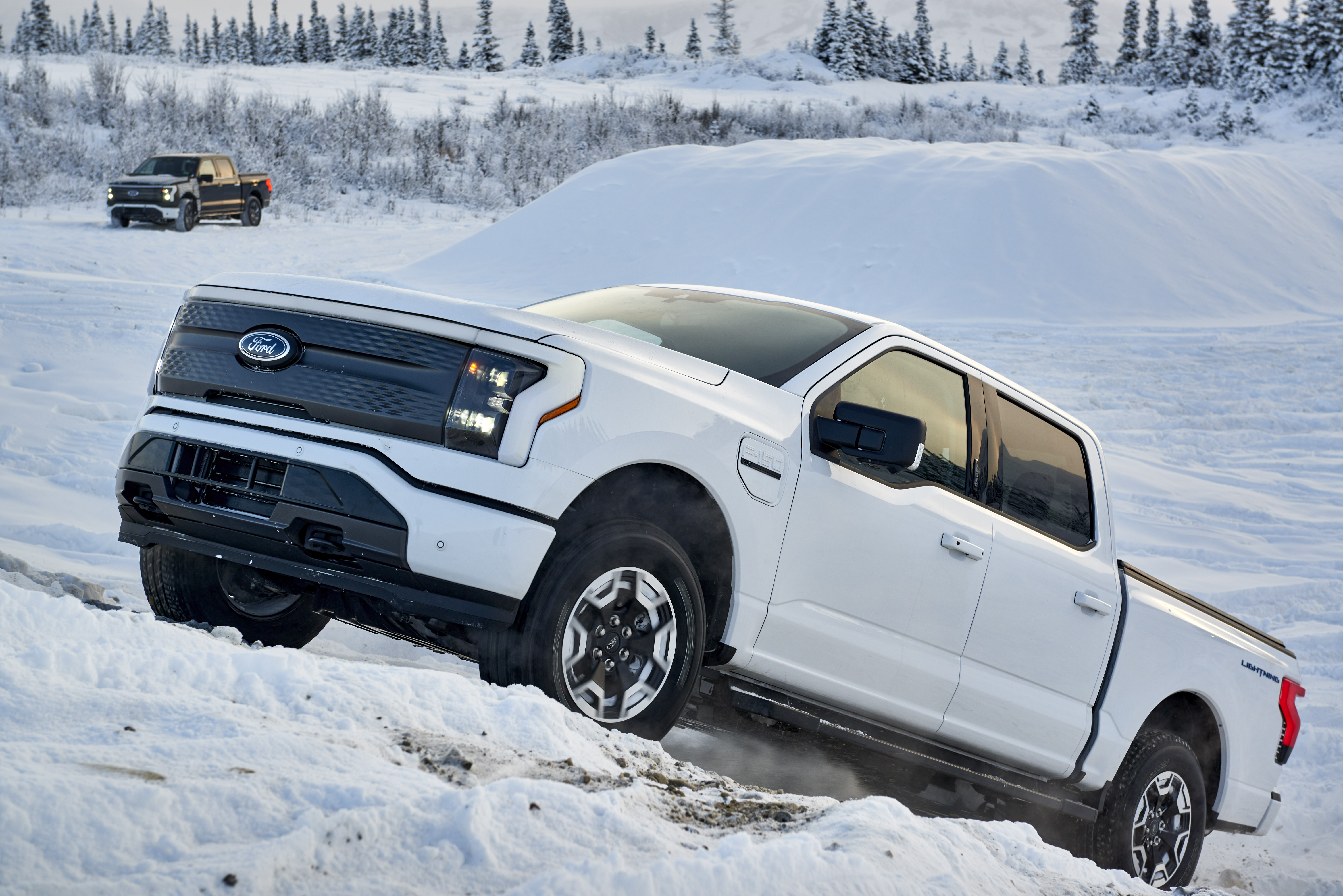
Photos by Ford Media Center.
While one might think that comparing an established auto manufacturer with a new, less influential, an electric start-up might seem redundant, with both models serving different purposes, the point that is trying to be made is that the money is where the majority is. There is a reason why crossovers dominate the car market. Creating a specialty vehicle is all well and good, but at the end of the day, it doesn’t pay the bills. Ford knew that they could, as well, create a new shape, new name, and new everything, but instead, they listened to where the money was, and capitalized on the market they knew would continue to make the F-150 a sales monster for years, most likely decades, to come.
What is your opinion on the new F-150 Lightning? Let me know in the comments below.



 Zander Drives Cars
Leave a reply to LeeOberle Cancel reply