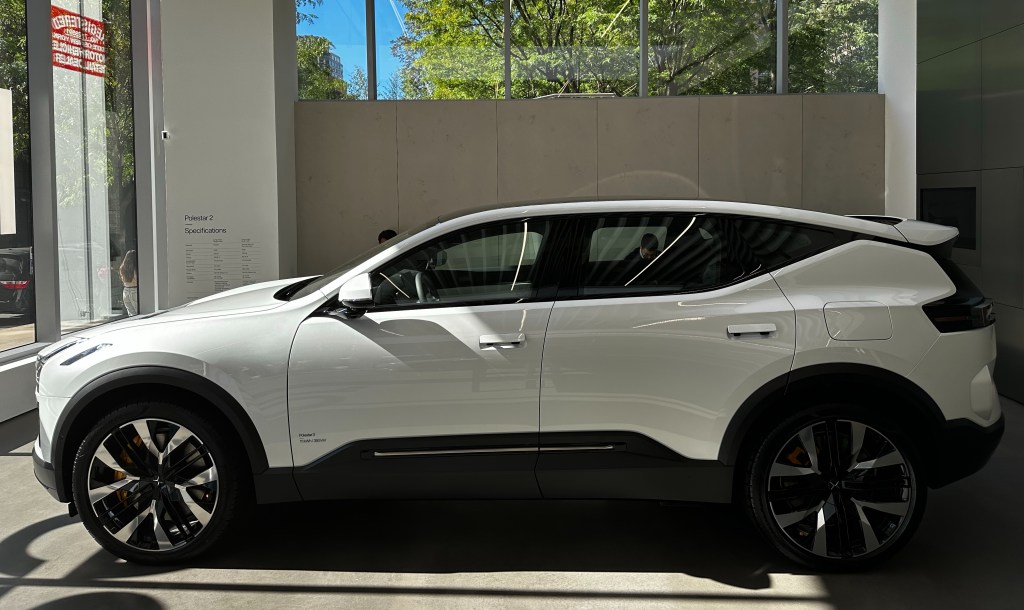
Polestar, as much as I love them, have a problem. They don’t have a real money-maker in their lineup. Yes, I know Polestar posted record sales numbers this year, but only so many people want a lift back. What people really want are crossovers. Because consumers want crossovers, it was only inevitable that one would appear in the lineup. And with James May-style “good news”, it will be out early next year if everything goes according to plan. So, before we can drive it, let’s take a first look at the Polestar 3.
The Exterior
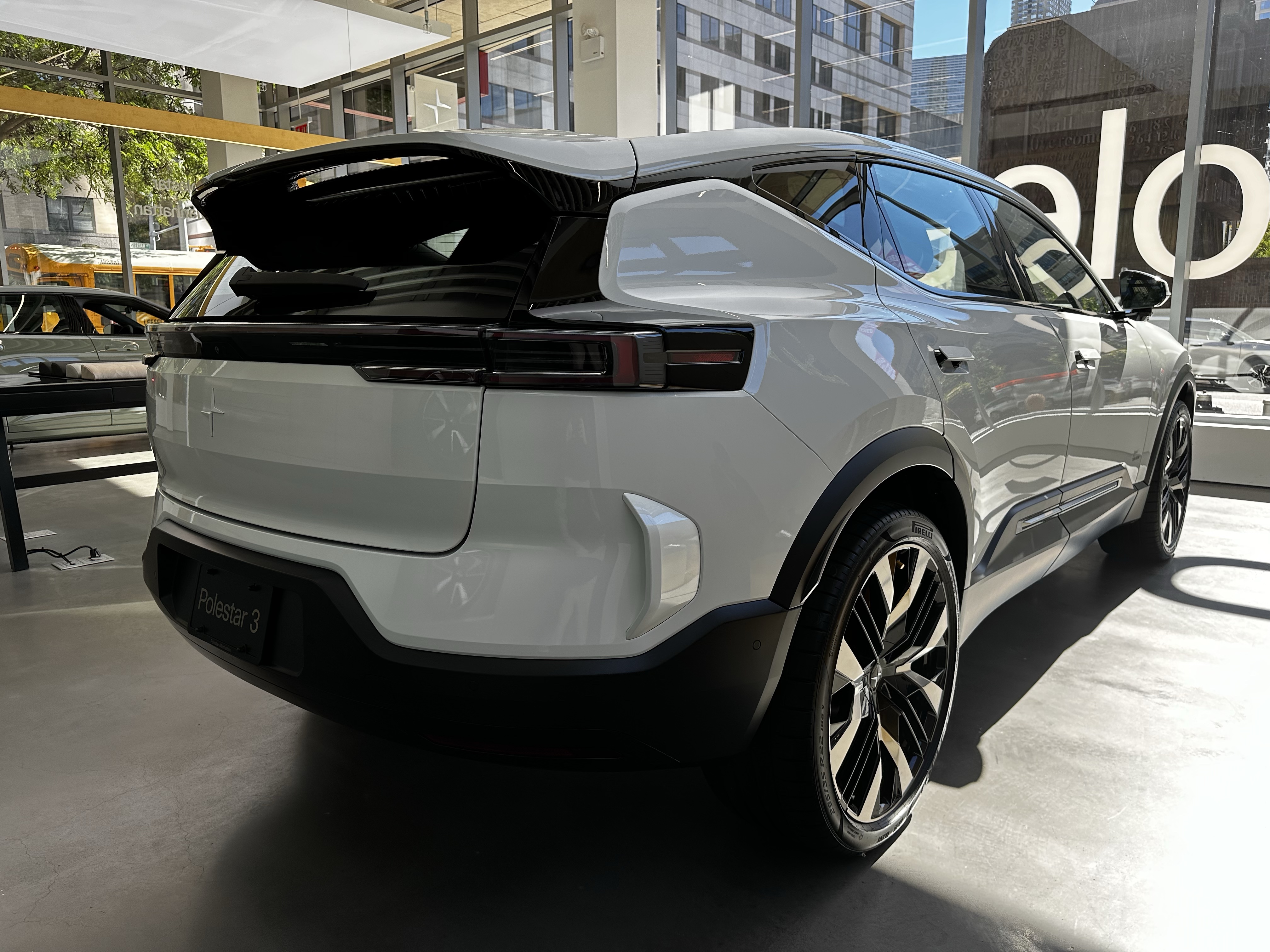
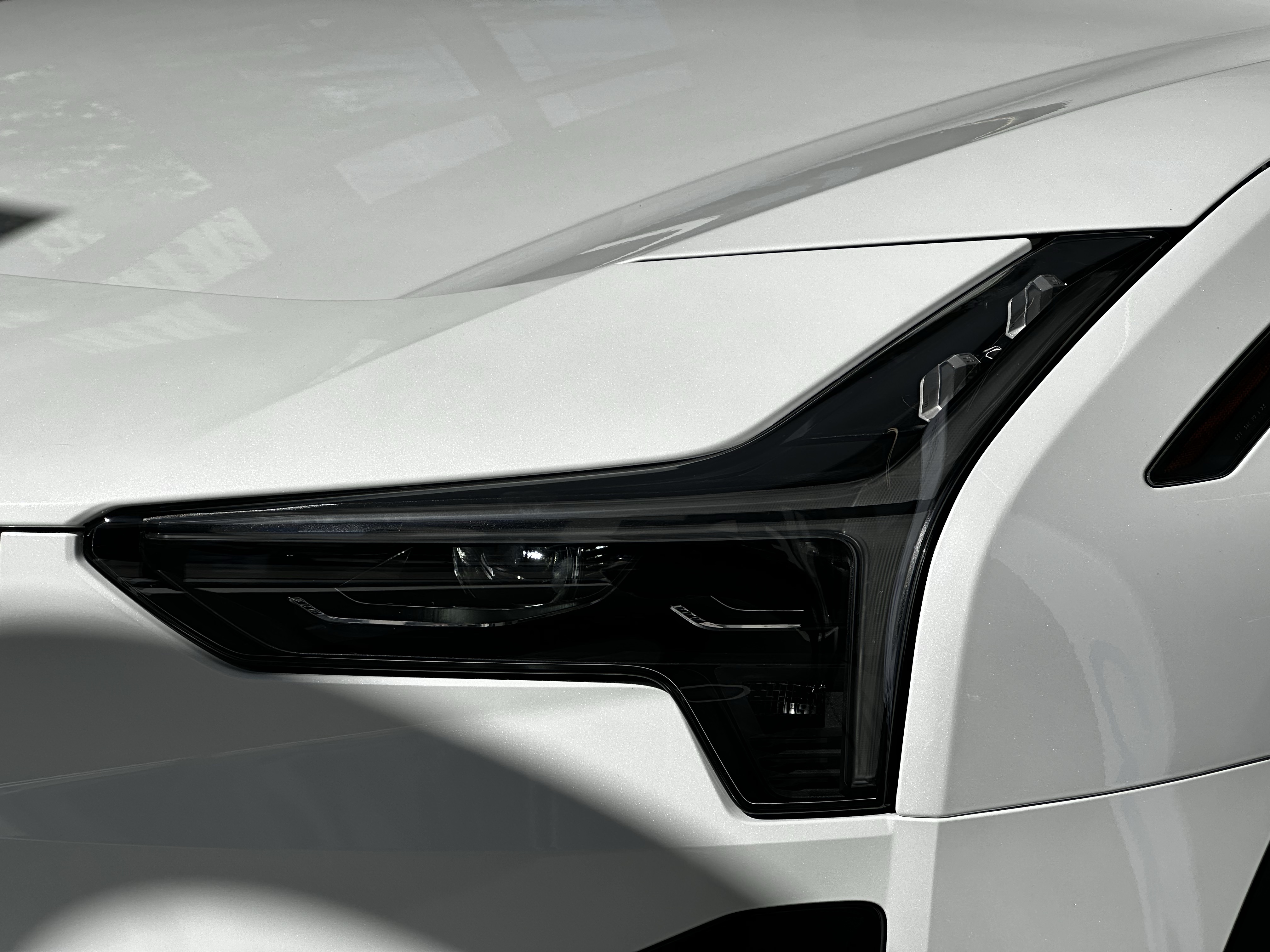
The Polestar 3 (or PS3 if you stalk the forums) carries similar stylistic tones as the Polestar 2, while also deviating slightly to forge its own design path that the star brand needs. Example A: the front. Samer grille as a 2, different headlights. They’re getting there. The upcoming Polestar 4 with its “no rear window” should hopefully really start new things for the brand, but I digress.
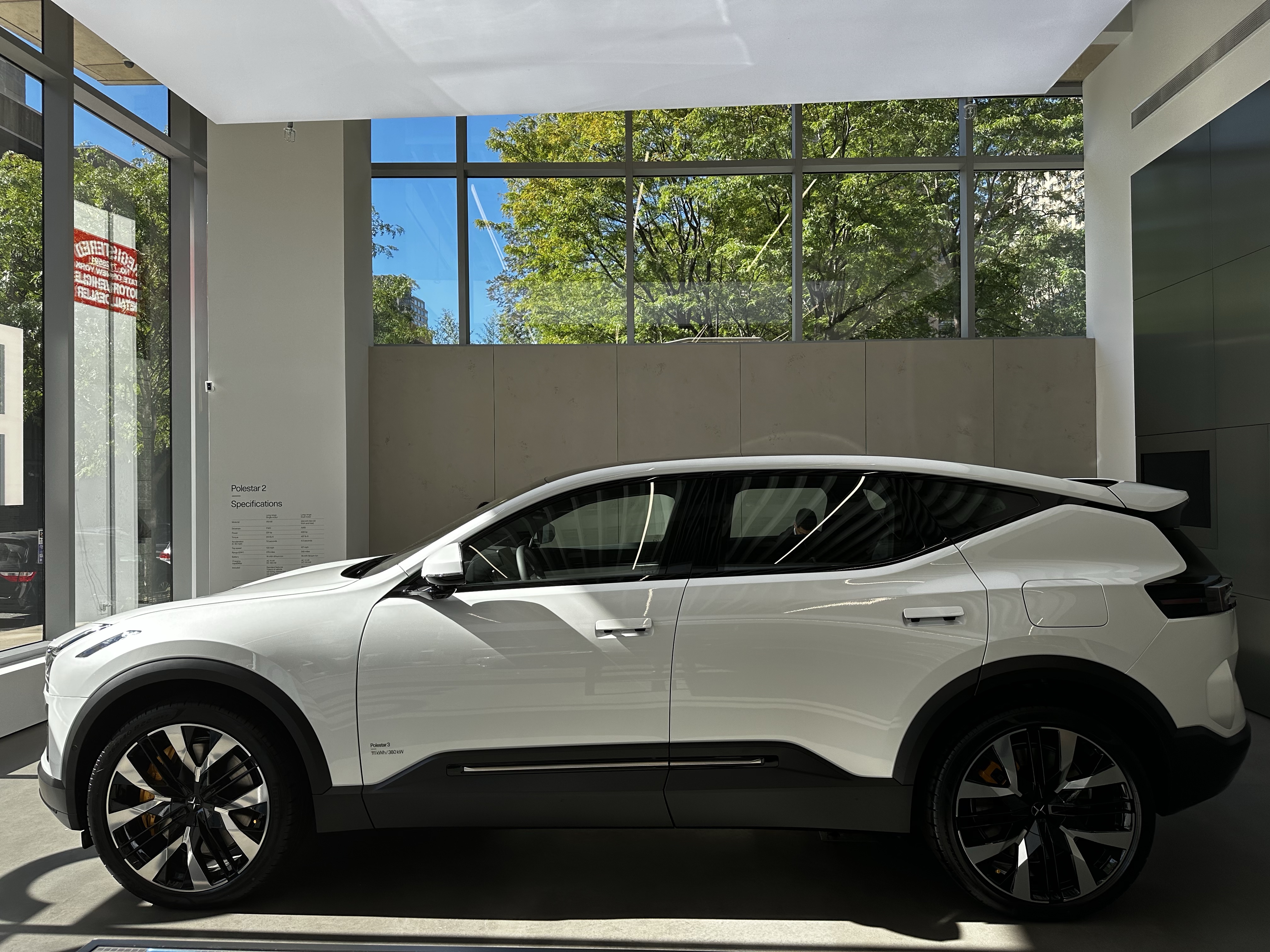
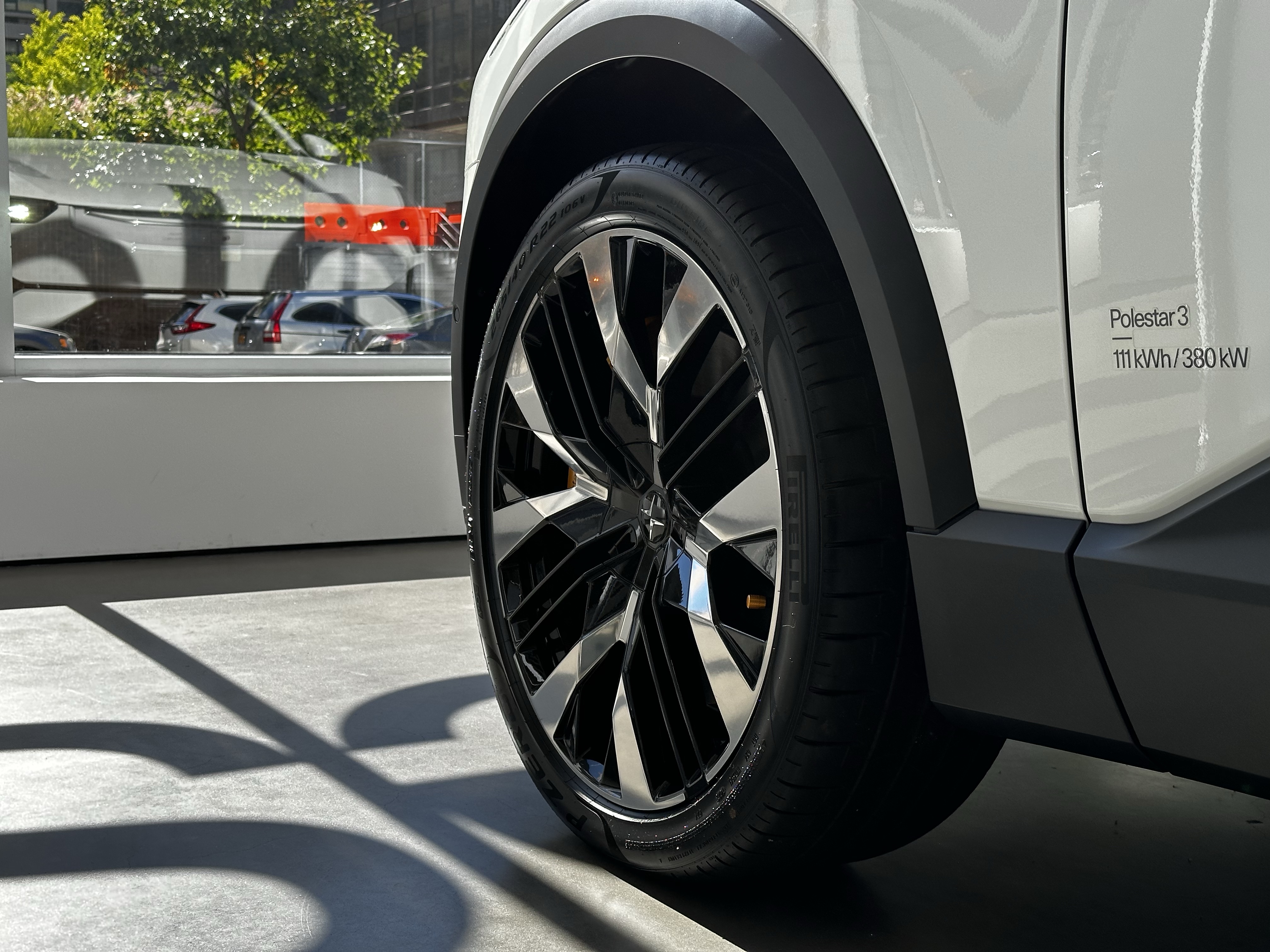
Getting to the whole general look of the 3, it’s a handsome machine. It is far better than something like a BMW iX or a Mercedes EQE. It looks thinner, more athletically built, rather than the lumpy, “swole” style of the Germans. At least in Polar White with the signature golden brake calipers, it also looks rather futuristic. Not anything “space age”, but this is definitely a car you look at and would say “This looks very 2020s.” You could also call it, “aggressively styled”, too. That works.

The Interior
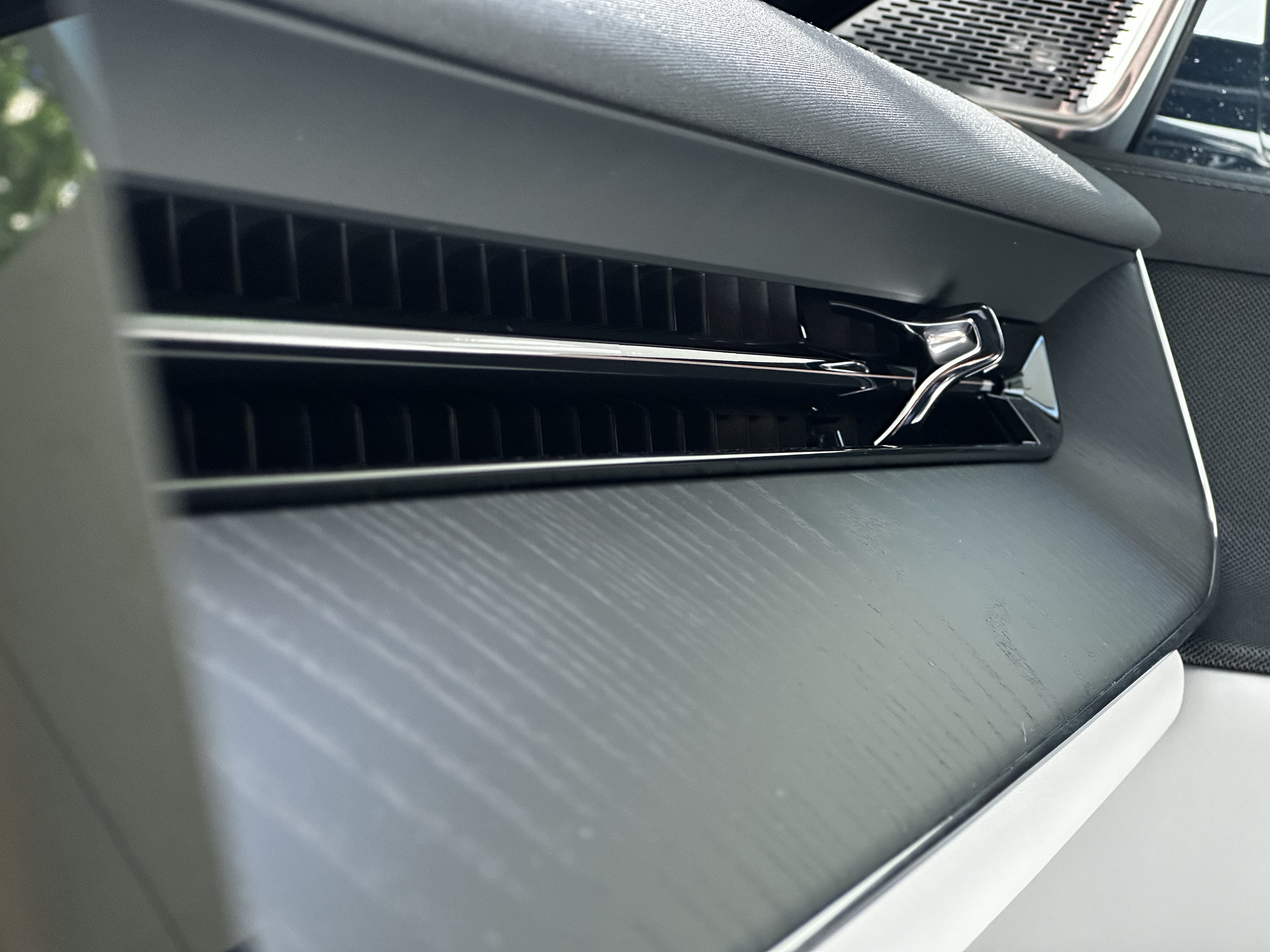
Like all Polestar and Volvo models, the 3’s interior is a fantastic place to be. Every surface feels high quality, and the choice of materials is both funky and fashionable. You get a good mix of traditional nappa leather both on the seats and on the door cards, while also getting some nice wood-like material on the dashboard. The seats were very, very comfortable a la Volvo, and the front and rear legroom was almost limousine-like.
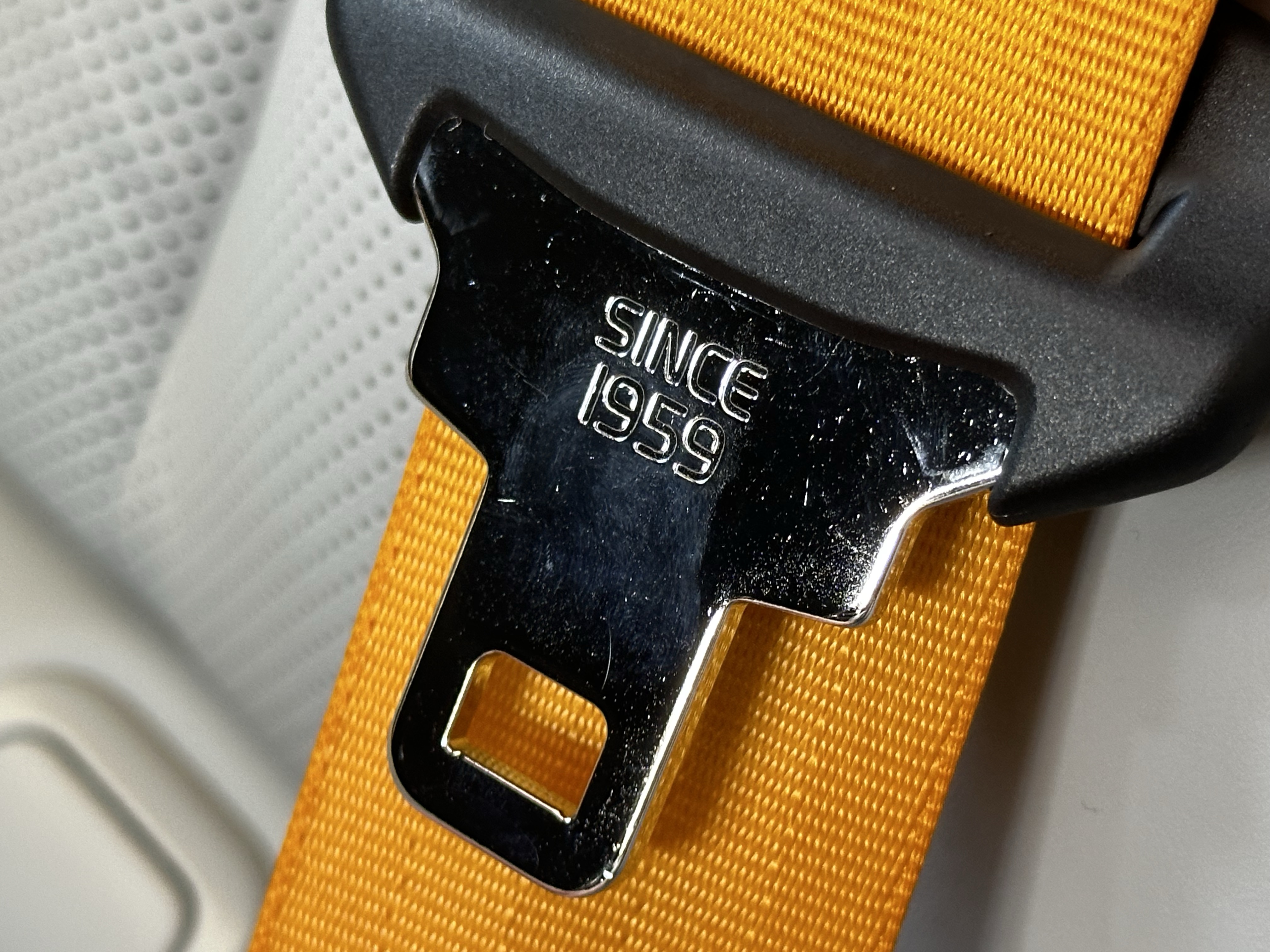
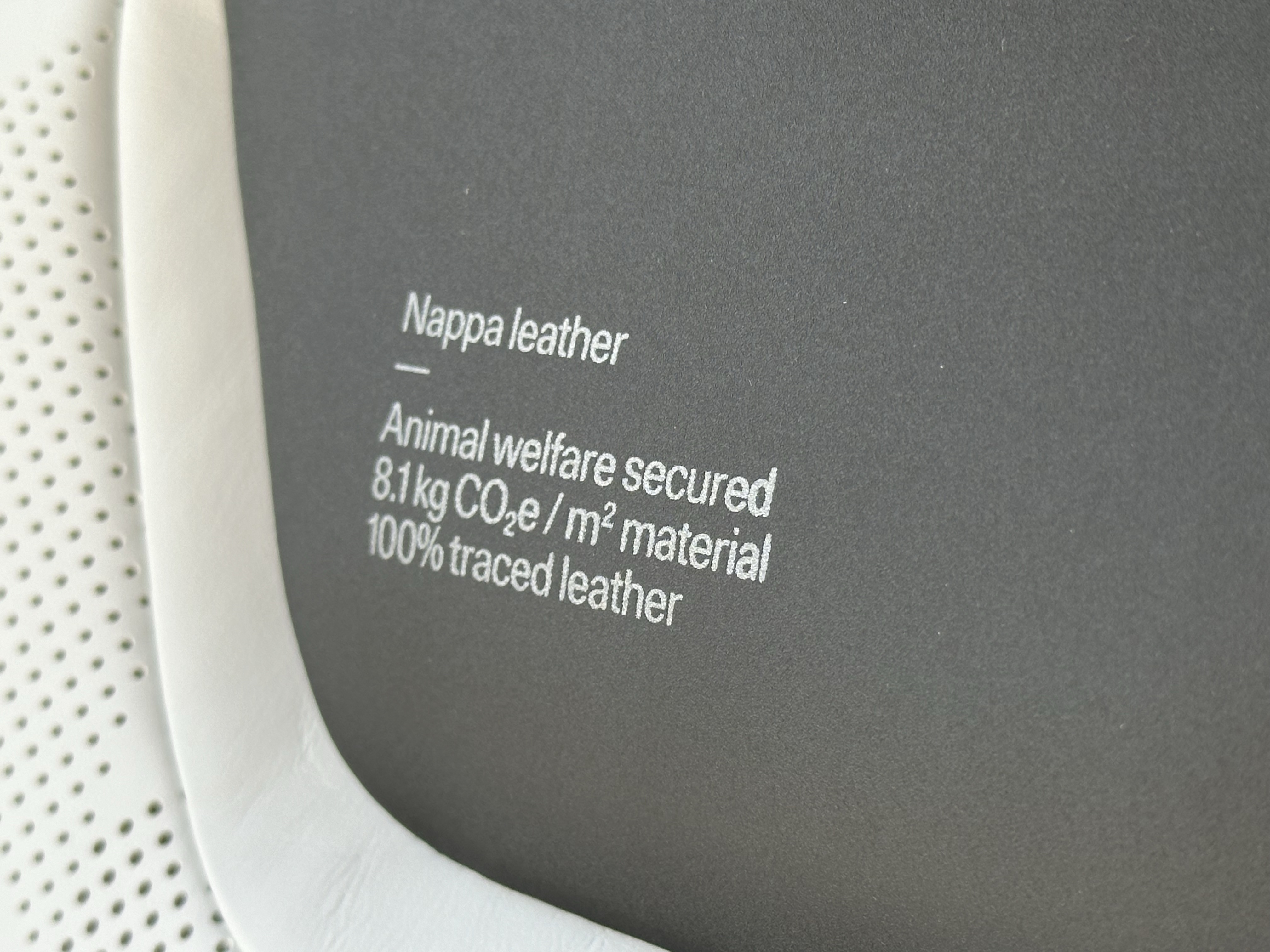
While the 3 definitely has a theme of “less is more” interior-wise, there are a few little things worth noting, some may say “quirks and features”, that I feel should be pointed out. The first is the seatbelts. Every buckle is engraved with “Since 1959”, as an homage to Volvo being the first manufacturer to apply the ubiquitous 3-point harness on all of their cars. The second is this little label on the front seat headrests, showing the sustainability rate of the leather sources for the car. Yes, it might be slightly pandering but it’s sort of cool nonetheless. The third and final thing worth noting, Volvo buyers know what’s coming: The clip! Yes, there is a clip on the driver’s side corner of the windshield perfect for pens, parking tickets, or whatever else you might need to have shown in your window. Some recent Volvo and Polestar models have had this clip omitted, but I’m glad to see it make a return in some newer models. My grandmother is very, very happy.




The Screens
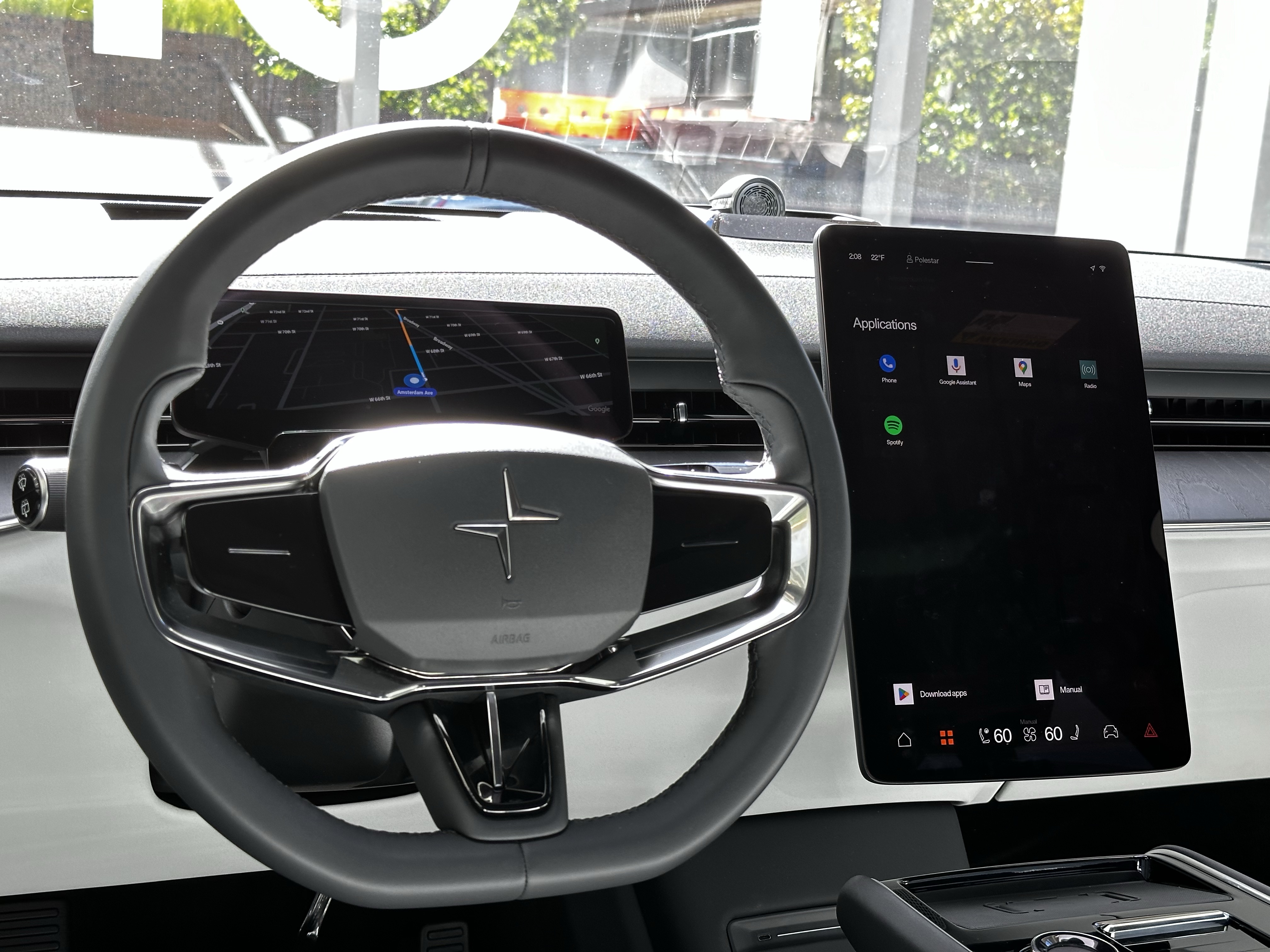
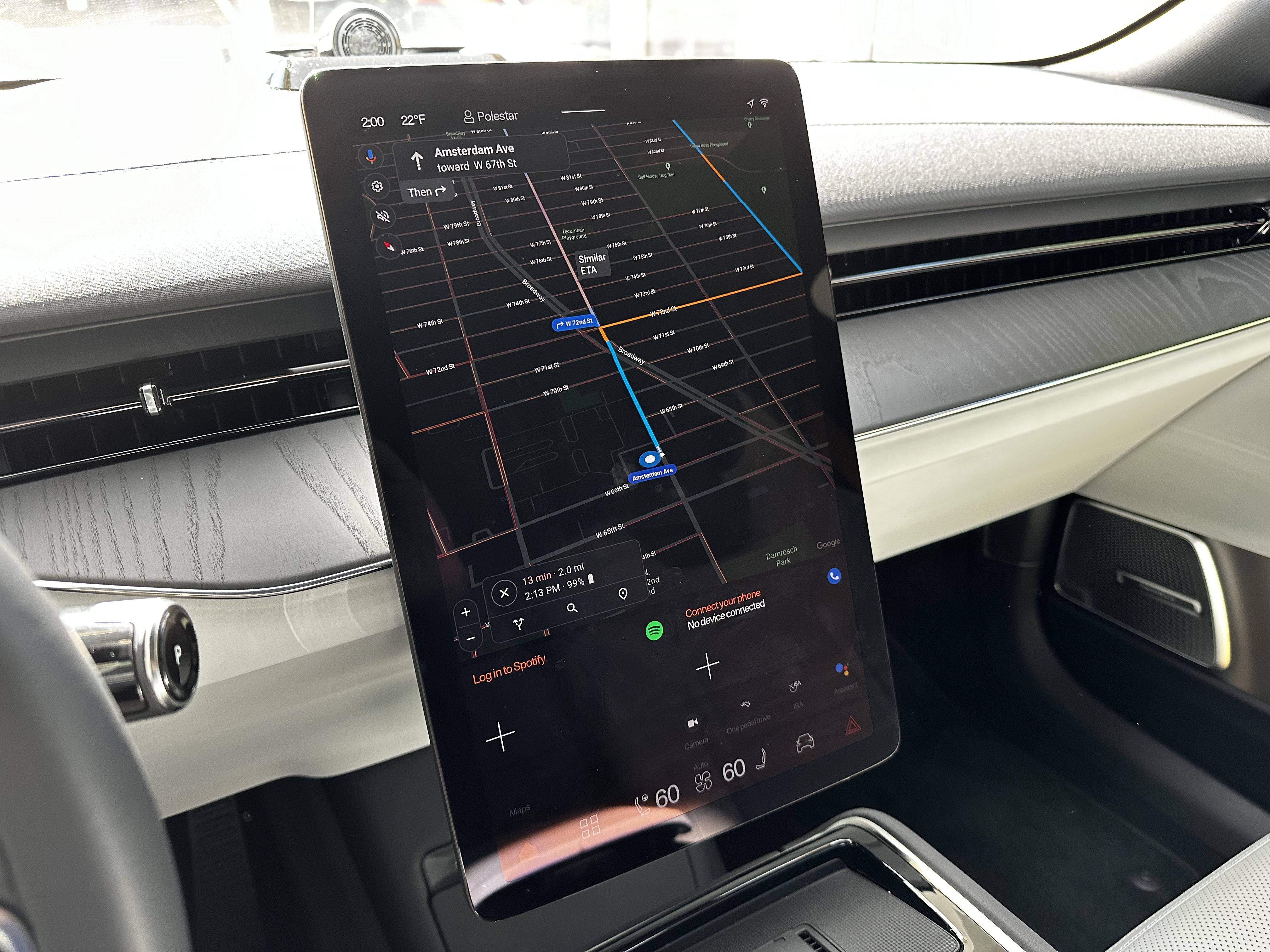
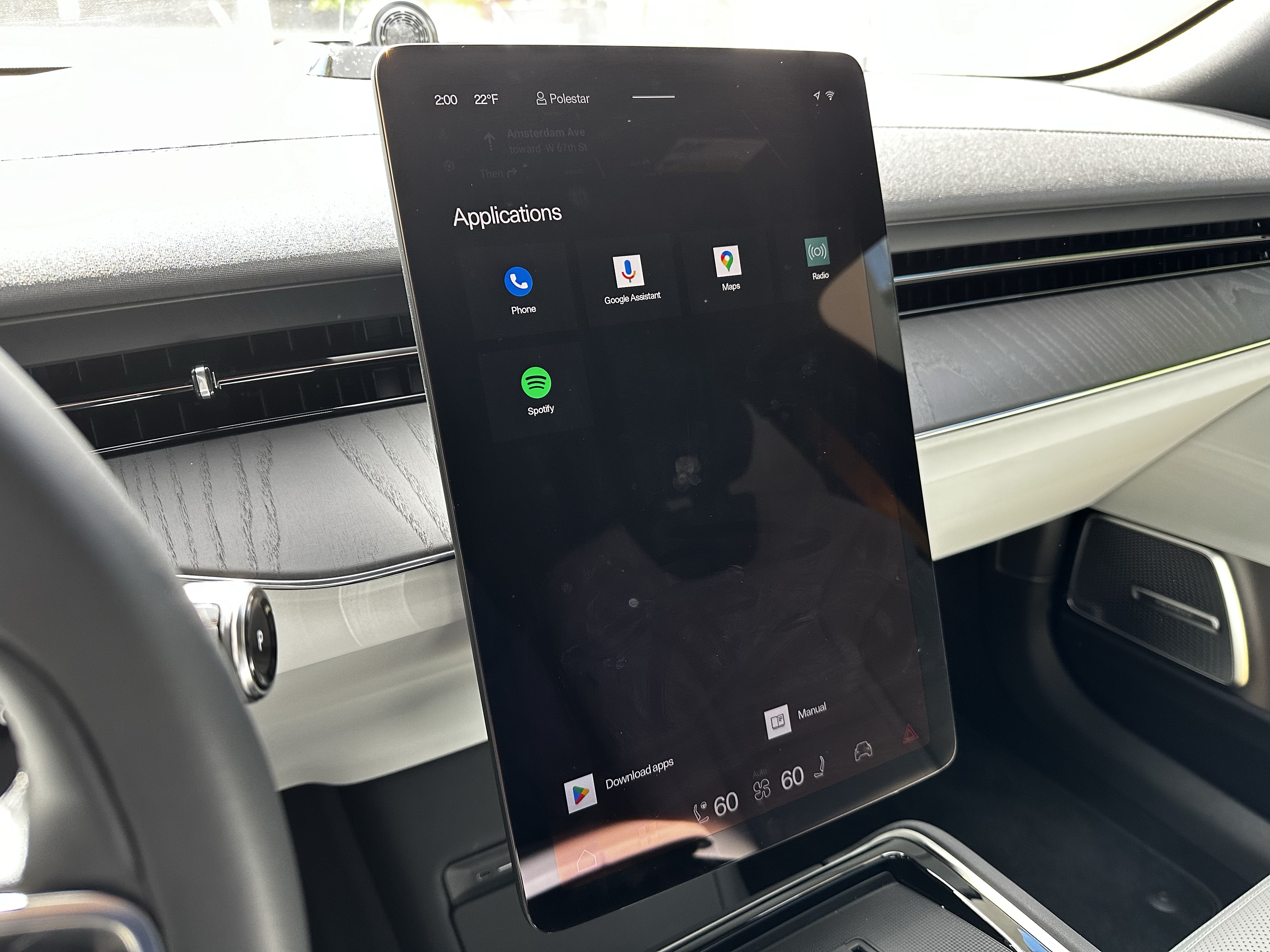
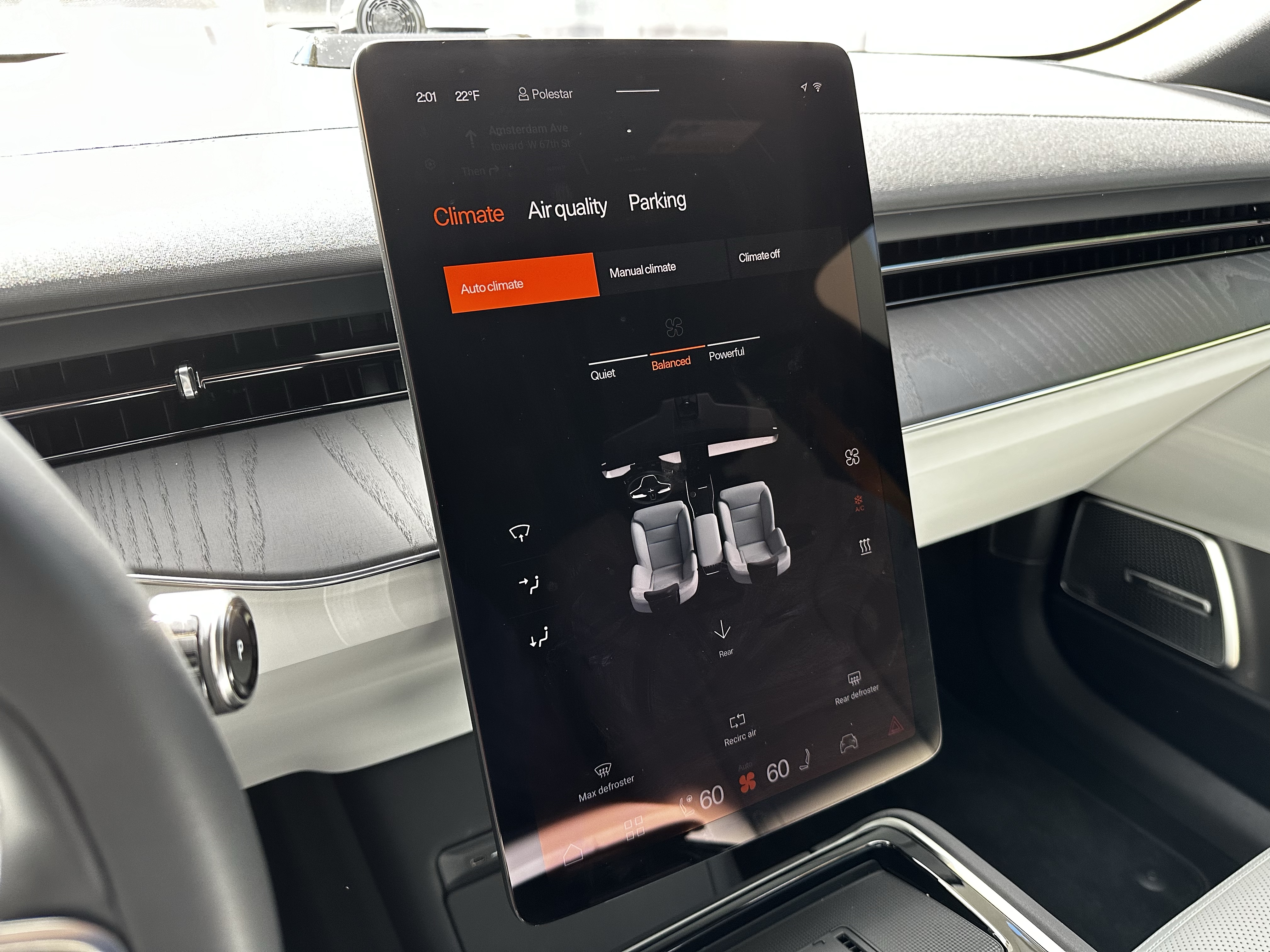
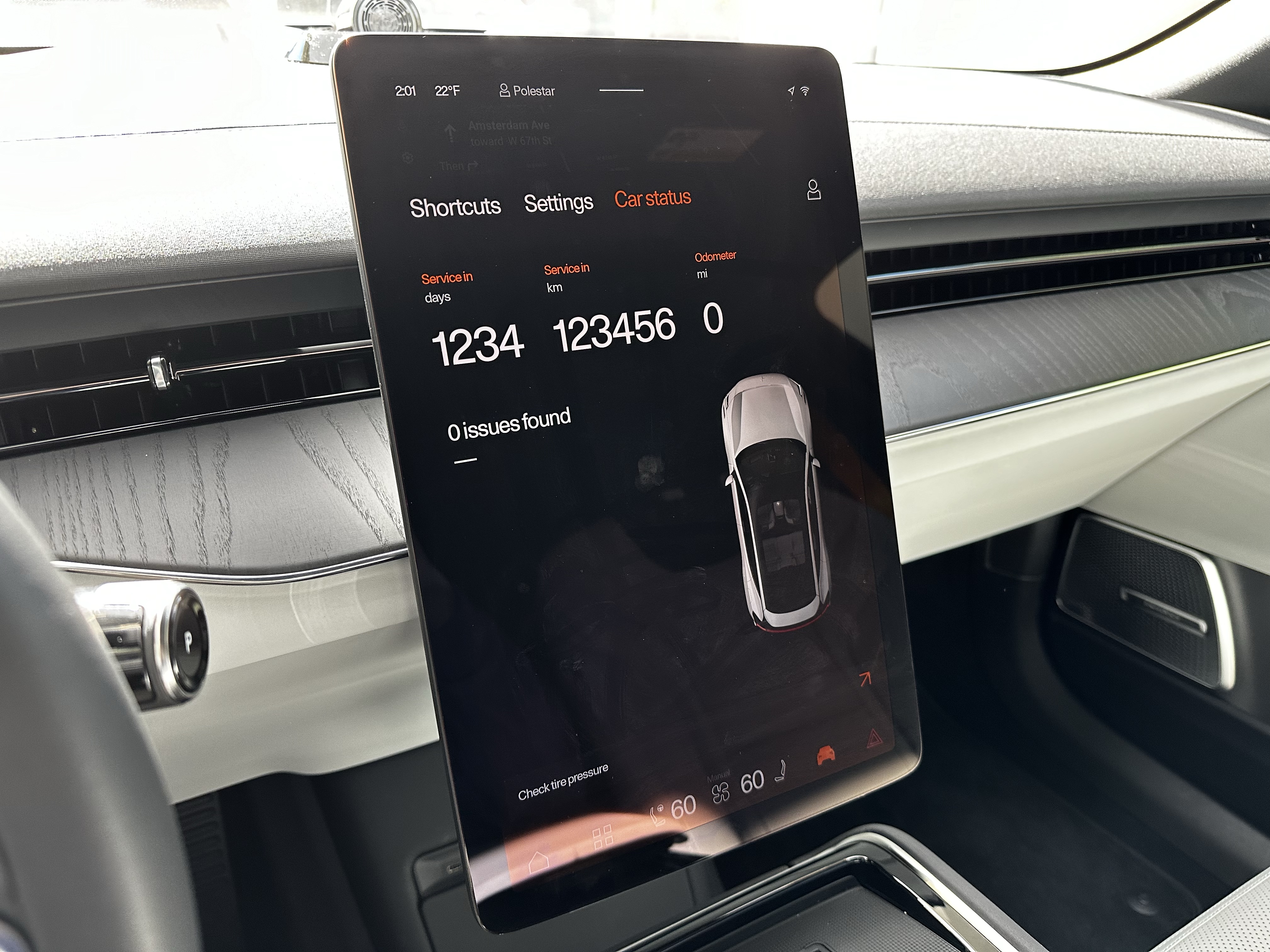
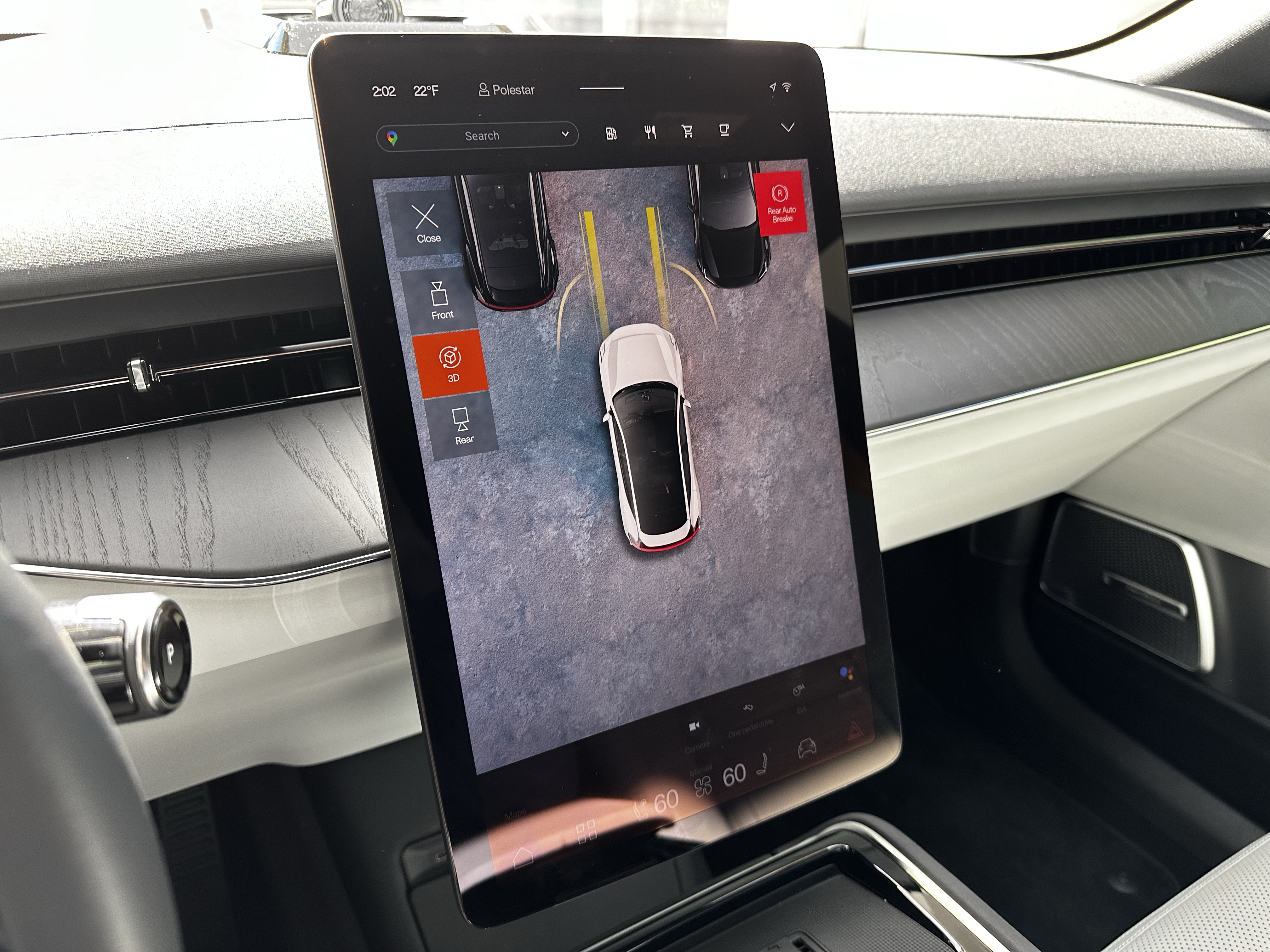
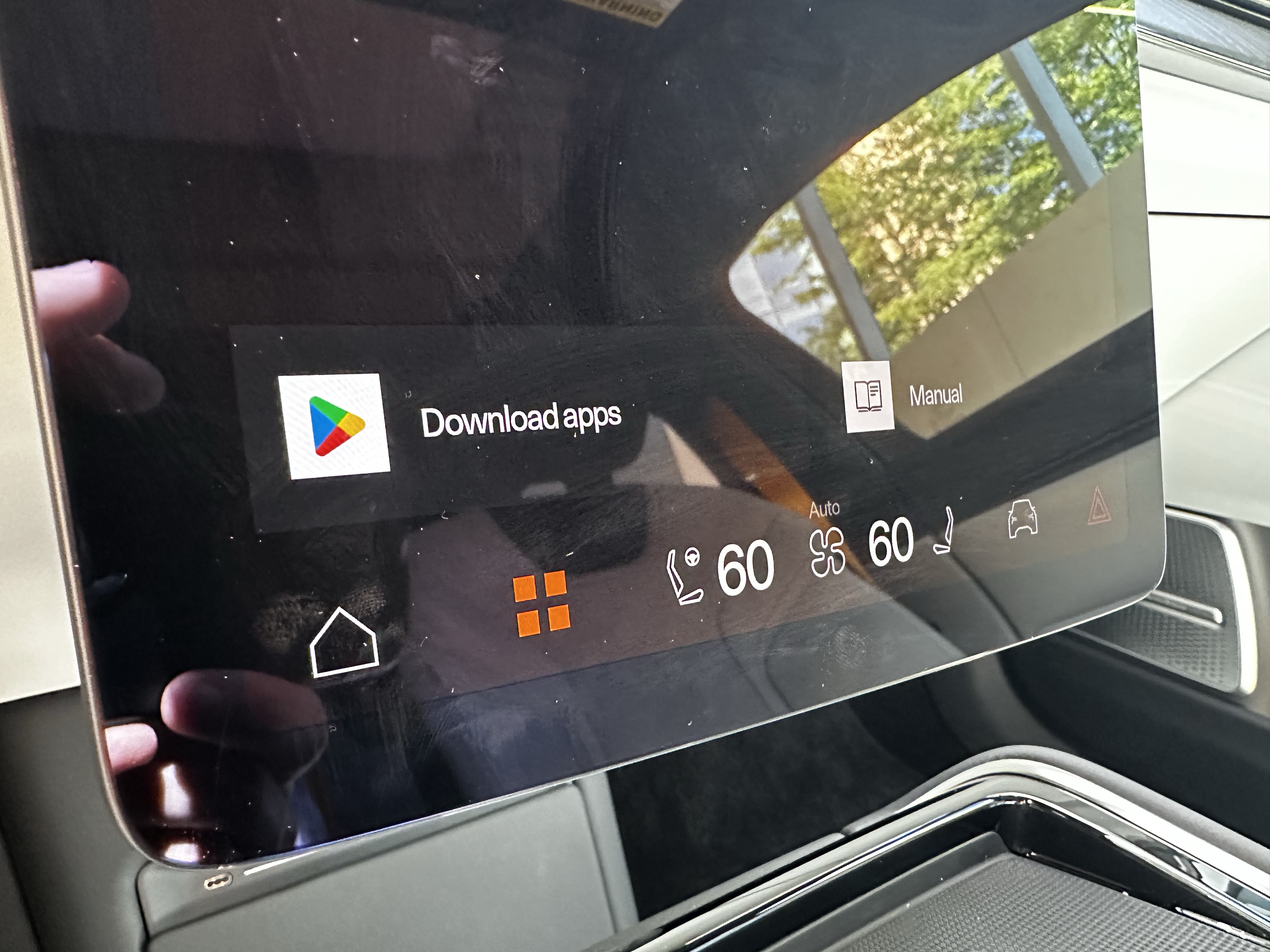
The fact that this is a pre-production car starts to be apparent when you realize that not everything on this screen can be utilized just yet. So let’s start with the physical aspect: it is large. Look, you all know my standpoint on screens, and I feel that this titers on the edge of being too big and obnoxious for me. I’m a bigger fan of the screen size on the Polestar 2, but complaining won’t get me anywhere.
As for the software, it seems to work pretty well. I’ve always liked the look of Volvo/Polestar’s infotainment screens, and the black and orange, while reminiscent of a different software-based company, does look cool. As for ease of use, you can pretty much have it on the main screen that shows the map, Spotify, and climate and never change it. This is a good main screen to have because everything is right there. Yes, having to change screens for HVAC controls is very annoying, but it is easier to do than in some other Euro-business cars.
Note: I couldn’t get the driver’s screen to display anything but the map. I’m sure it does many things, but I couldn’t get to them.



The Tech
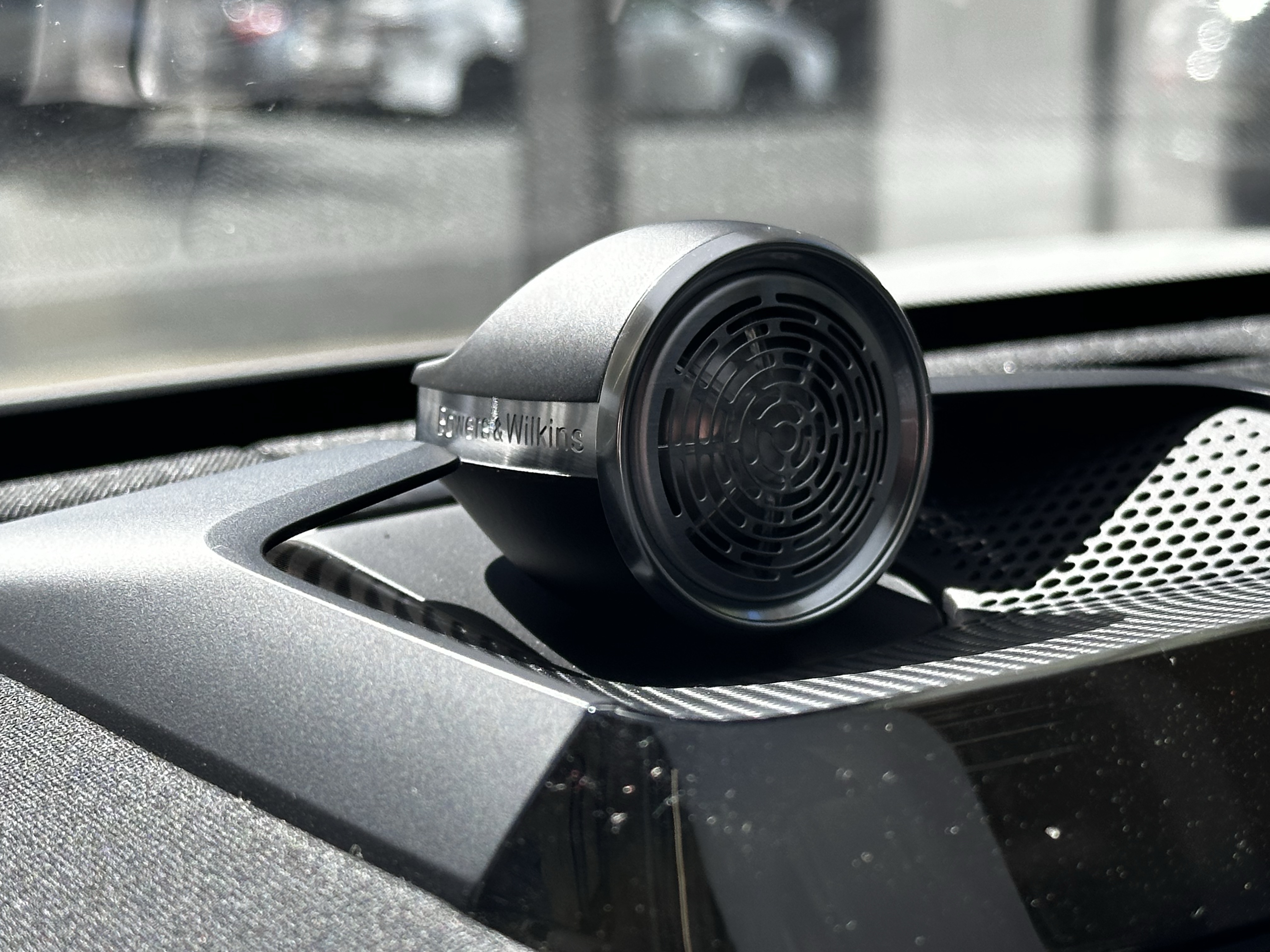
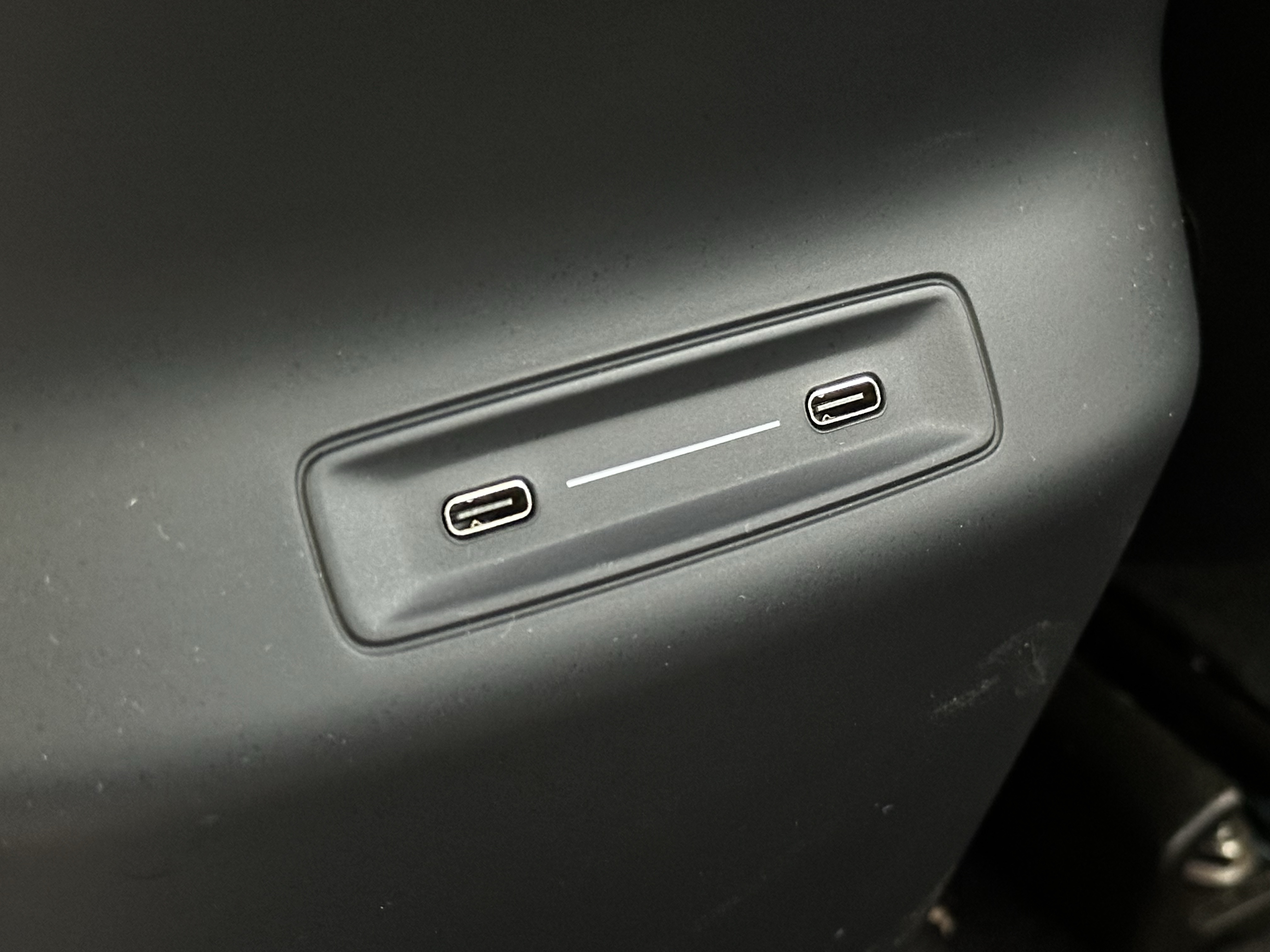
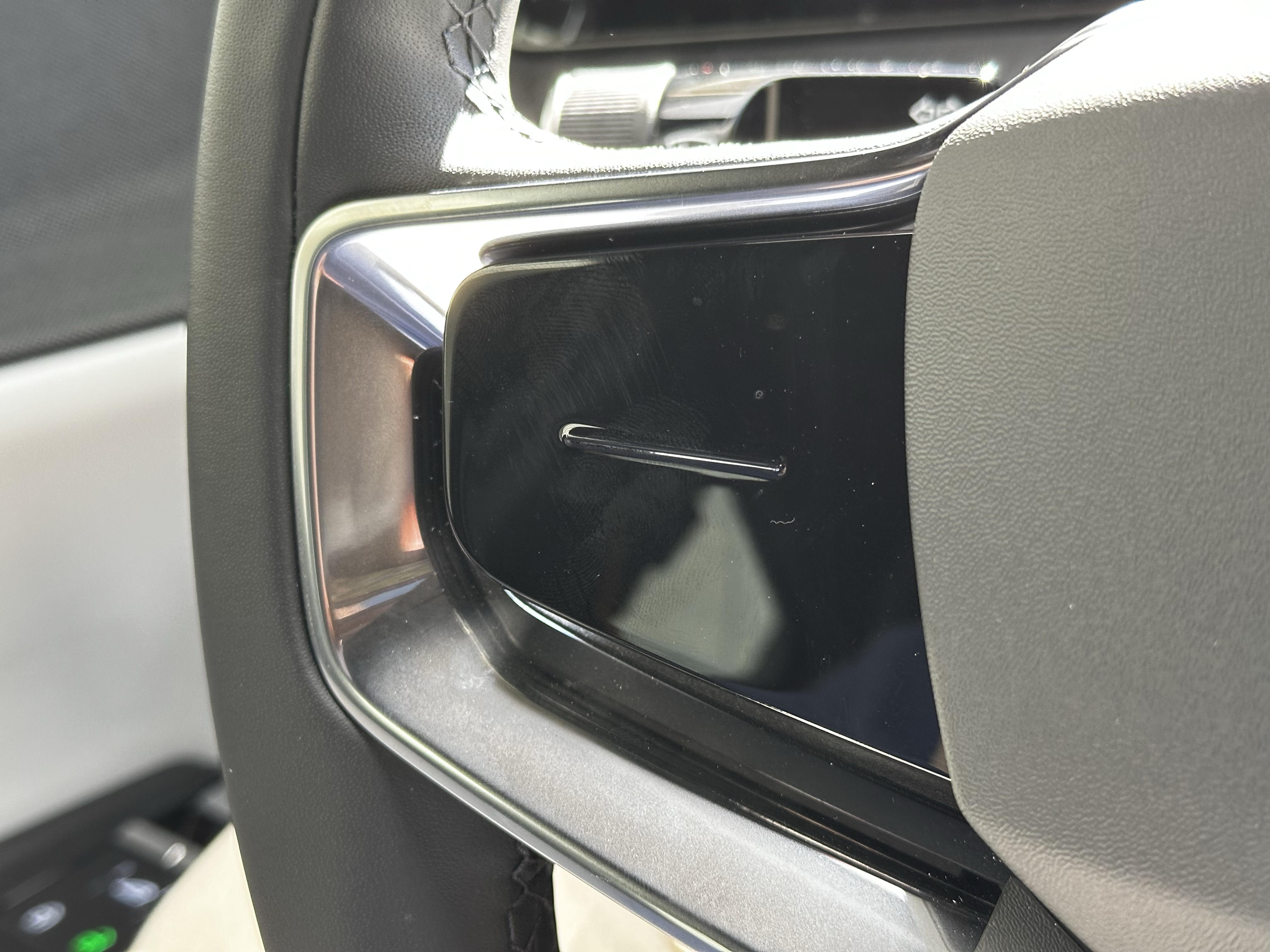
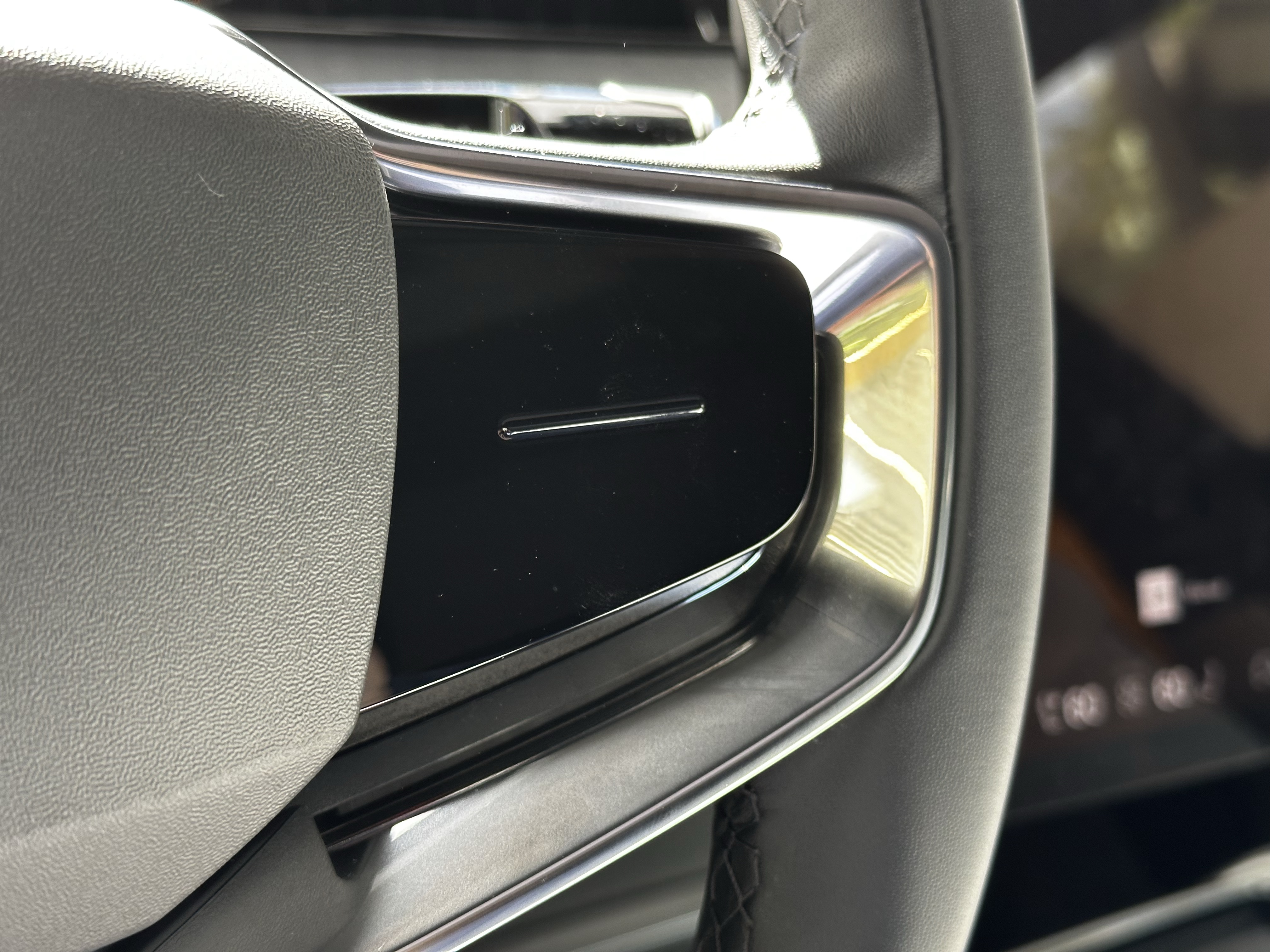
Did you know that electric cars are required by law to have an obscene amount of technology? I mean, they don’t, but it feels like it, right? Anyway, there is plenty of “stuff” in this car despite its rather plain-looking interior. For one, you get an unbelievably good Bowers & Wilkins Soundsystem which, despite what Mercedes fanboys say, is the best sound system you can get in a car. Period, full stop. You also get plenty of USB-C ports for both the front and rear passengers, a wireless phone charger I forgot to take a photo of (Top tier automotive journalism right here, folks), wireless Apple CarPlay and Android Auto, heated front and rear seats, and a heated steering wheel for the Launch Edition only.
As for safety, the list of gizmos and gimmicks would make this article 70% longer than it needs to be, so I’ll run through the main bits: adaptive cruise control, a 360-degree camera, a front collision avoidance system that Polestar notes works with cyclists, lane keep assist and departure warning, a rear collision avoidance snd mitigation system cross-traffic alert, a BLIS system, and an oncoming lane mitigation system, whatever that means. Add that to your 10 airbags, and you have a car that you would have to try really hard to injure yourself in.

The Specs
The Polestar 3 comes in two flavors, both being dual motor, all-wheel drive configurations. The first of which has a 360 kWh battery pumping out 489 hp and 610 lb-ft of torque, getting the crossover from 0-60 in a modest 4.9 seconds. This makes it quicker than the non-AMG Mercedes EQE, but slower than any BMW iX model available in the states. Range is an EPA-claimed 300 miles, which also makes it better than the EQE, while once again falling short of the iX. Prices for this variant start at a hefty $83,000, however, this is reasonably customary for most cars in its class so that price may be worth it.
What may not be worth it is the other Polestar 3 variant you can buy. With options, it reaches into six figures ($89,000 base, $101,000 fully loaded), and for the price, the specs are only marginally better, or worse, than the standard crossover. This model comes with a 380 kWh batter producing 517 hp and 671 lb-ft of torque, which makes for a 0-60 of 4.7 seconds. Like the previous model, this is quicker than any non-AMG EQE SUV (the AMG will blow this out of the water) and actually is quicker than a base iX, but the M-trim version will do the sprint in about half a second less. Isn’t Polestar supposed to be the sporty brand? I mean, the upcoming Volvo EX30 can do 0-60 in 3.4 seconds. Why can’t this? And what’s worse is the range, 270 miles. This is on par with the EQE SUV, but it is now much worse than an equivalent iX. It’s a shame, really.

I really hope the 3 does well, I do. Driving impressions aside, it seems to have the correct ingredients to perform well in the premium EV crossover market. That being said, the performance figures and price on higher-trimmed models don’t hold up to what the Germans are doing. Maybe in the future, we’ll see a magical 4.2-second 0-60 model that can hit 300 miles of range. But for now, just get the base dual motor.
A very big thank you to Polestar Manhattan for having me come up and see the new pre-production 3 in the flesh. And guess what? It’s there for anyone to see! They also have a great new selection of refreshed 2s as well (hint hint, future article), along with a BST230, and 270 on display. Click here to view their inventory.


 Zander Drives Cars
Leave a comment