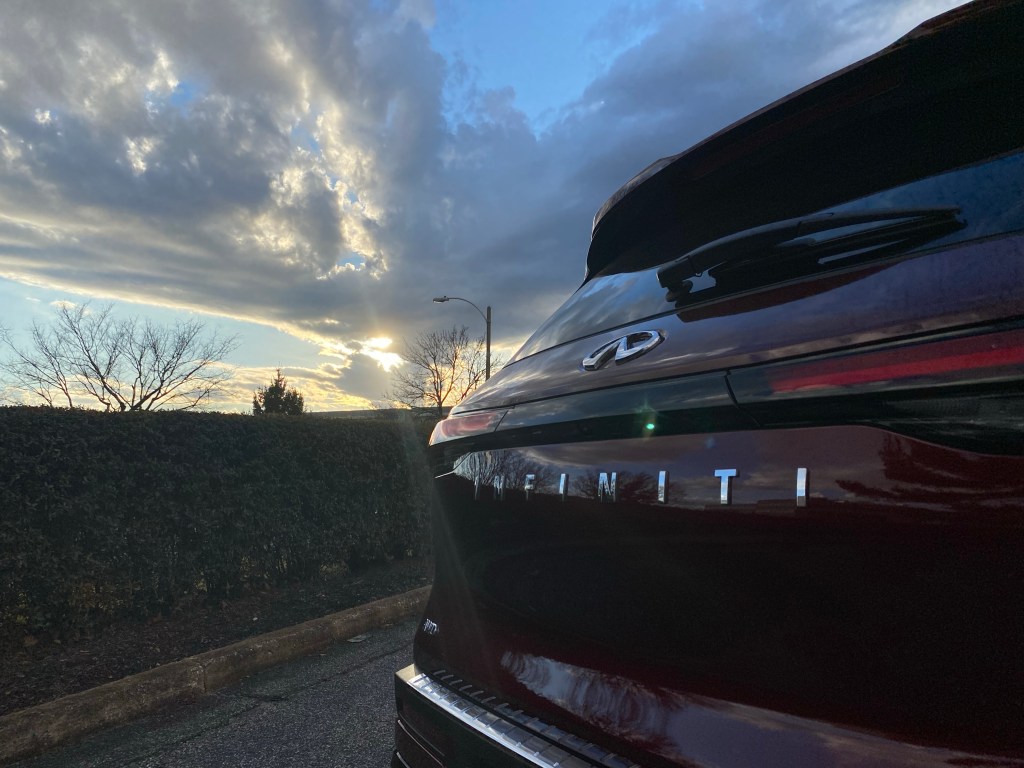
I’d like to start out by saying that no, I do not think all crossovers are excellent, I don’t own a crossover, and I am not calling for the death of the sedan or wagon. I just think, given that it has been almost 20 years since crossovers have taken the market by storm, that we just calm down a little bit.
It is tough to define what a crossover really is. Some say that it’s just a lifted version of a different body style in which most of the parts are shared, and others think that everything to the Bentayga is a crossover. And it doesn’t help that I don’t really have a definition either. Really I just take it on a case-by-case basis. So, with that said, when I say “crossover,” whatever car comes to mind probably fits into that category.


I’ve driven countless numbers of crossovers both on-site and off. Everything from the Volvo XC60 T8 Polestar and Mustang Mach-E to the Toyota RAV4 and Chevy Equinox. Are all of these cars groundbreaking and worthy of being put on the automotive throne? No. Are they god-awful creations meant to be burnt alive? Also no.
Here’s the deal: crossovers don’t suck because, for the most part, they’re the same as whatever non-crossover vehicle it goes up against. The main complaint I hear when talking crossovers is the standard “But they handle so poorly and don’t have that connected feel!” okay, but I can tell you that the difference between the handling in a base RAV4 and a base Camry is shockingly identical. None of these cars are set up for handling. Sure, in a slalom the Camry probably does better, but who realistically drives a car like that? 90% of all cars sold are meant to be driven normally, which is why unless you compare a Nissan Kicks to a Nissan 400Z, you won’t find much difference.
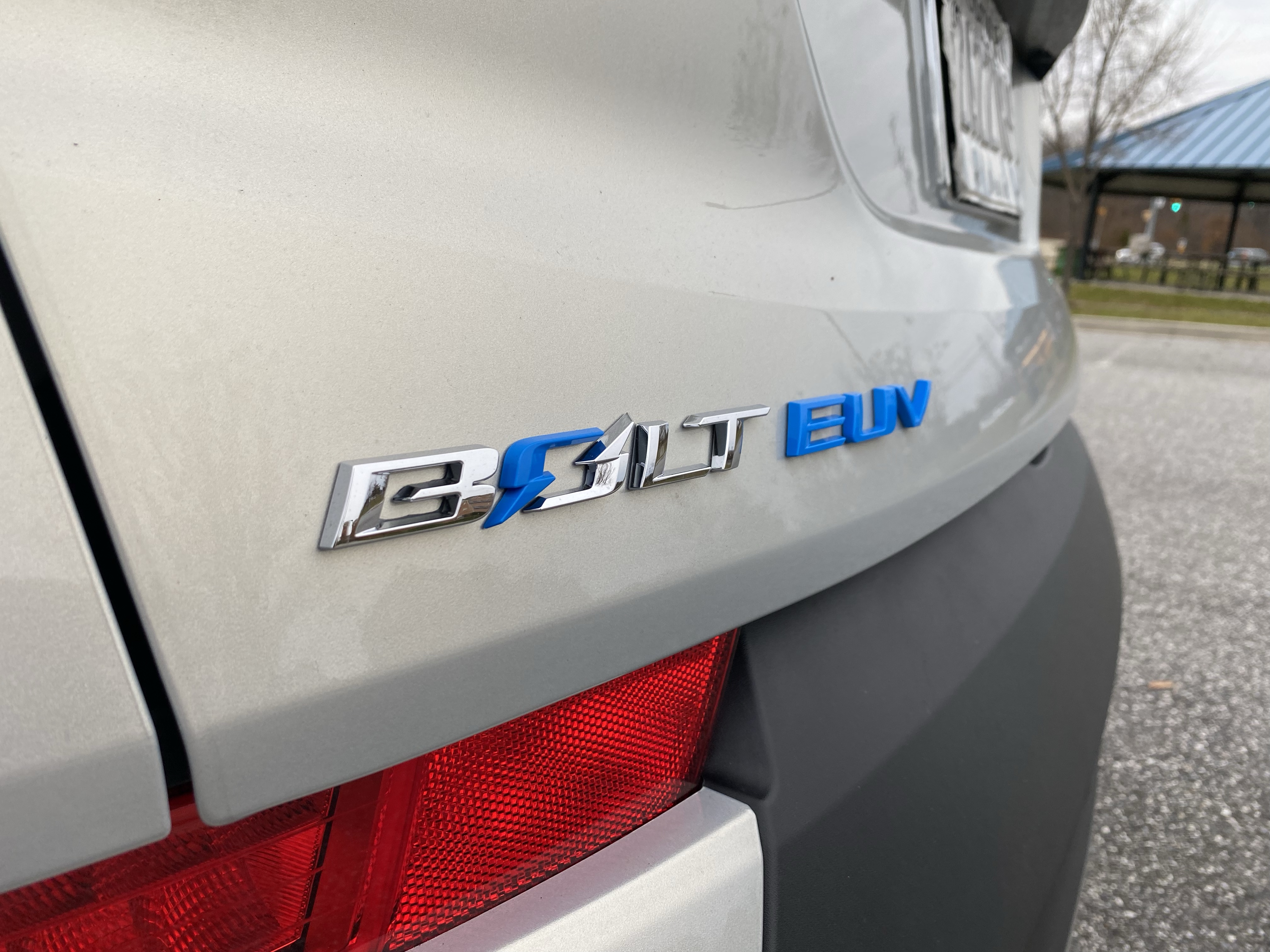
And it isn’t just handling or performance, too. The other thing I hear screaming from rooftops is “But the gas mileage, it’s horrible!” Well, fine. Regular versions of crossovers do get worse mileage than their sedan counterparts. But, you forget the great equalizer: the Hybrid. Let’s take the Kia Sportage for example. The hybrid variant of that car costs $27,00 and gets up to 38 mpg combined. If we look at the comparable K5, we see that… oh wait, there isn’t even one available. These hybridized crossovers cost about $1,000-2,500 more than the standard sedan models on which they’re based, and can get, in some cases, up to 10 mpg better; and if that 10 mpg means that they’ll end up saving that money they would have spent filling up the regular internal combustion sedan, why wouldn’t people choose the hybrid?
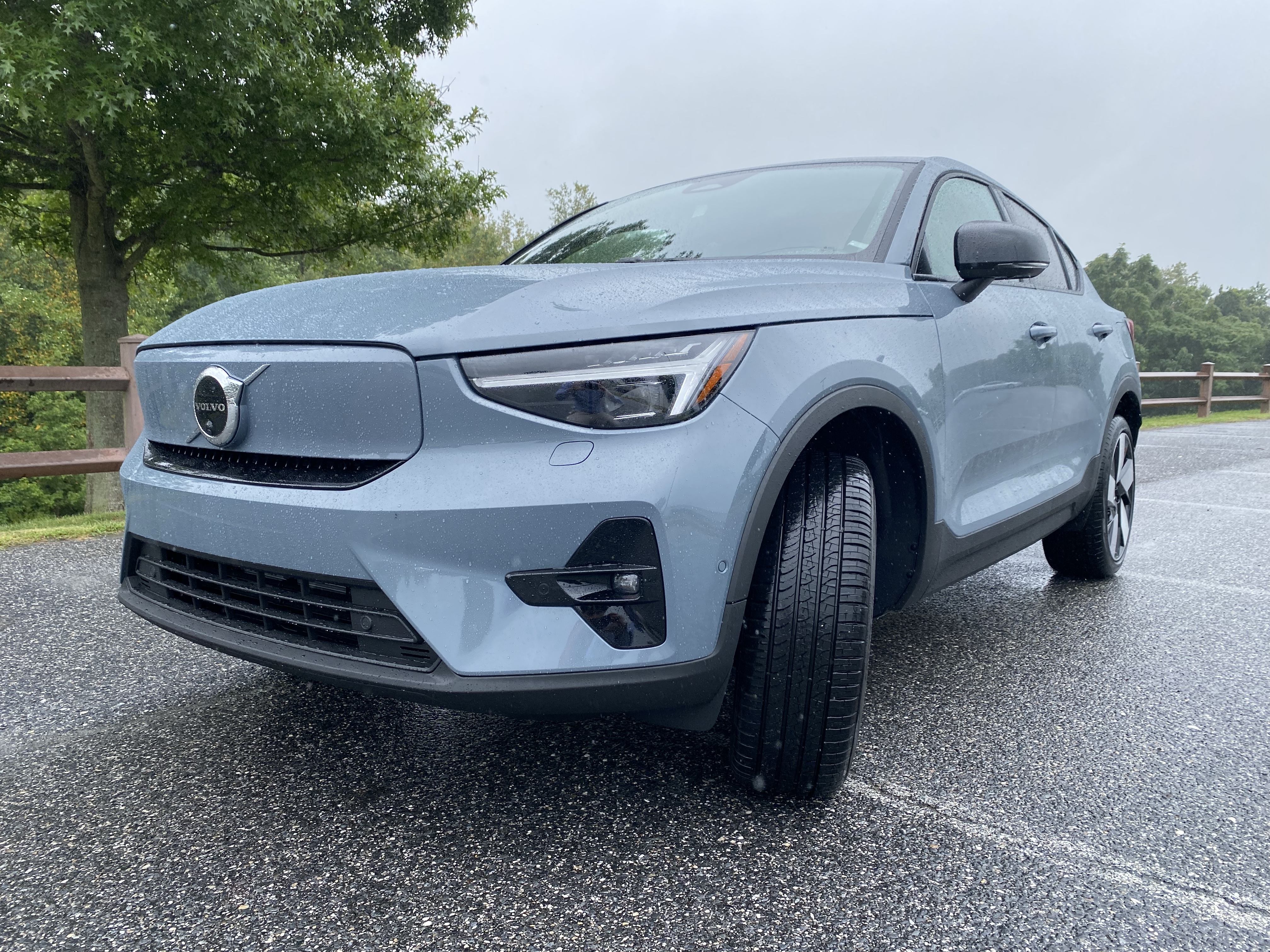
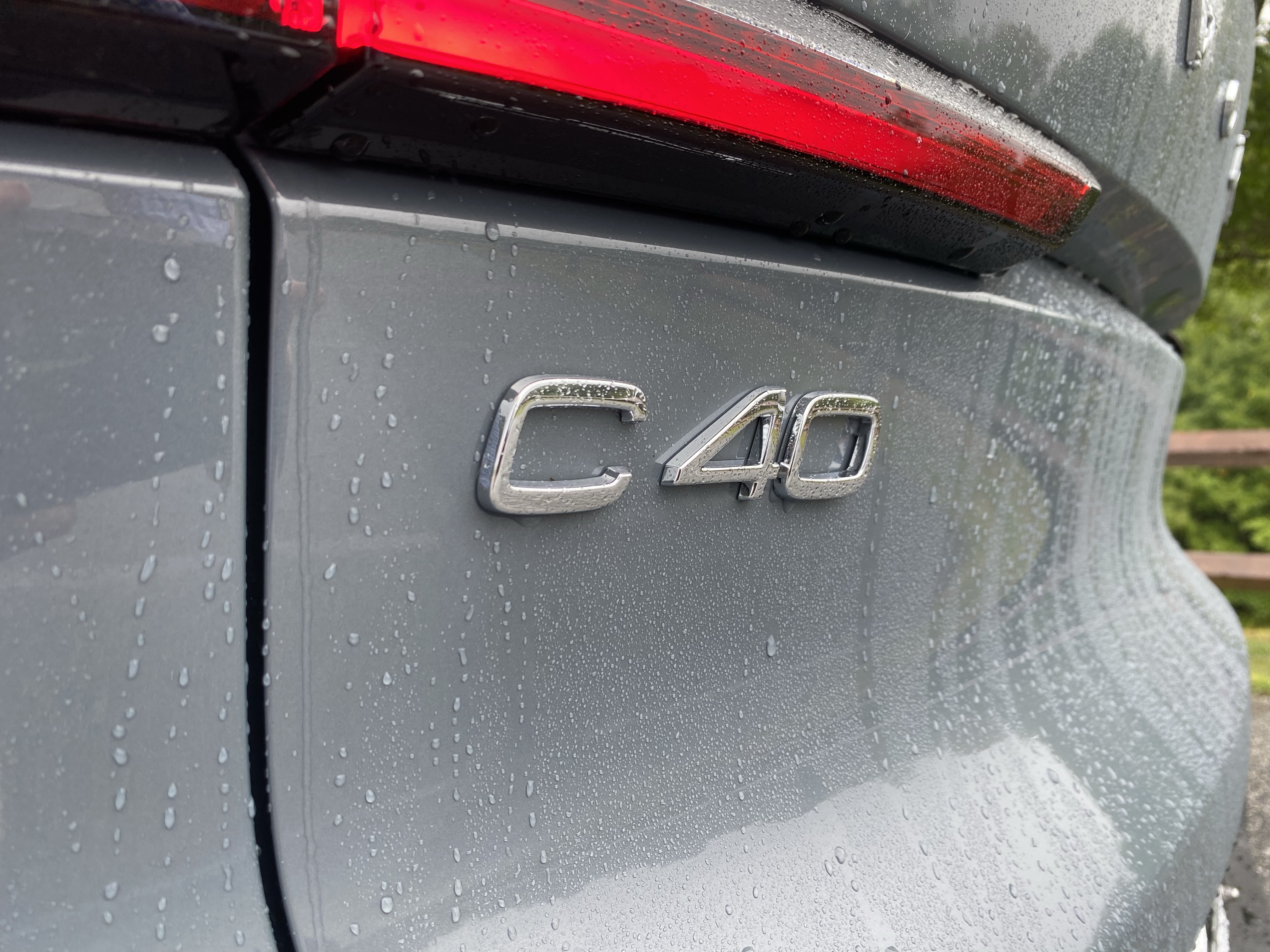
Okay, fine, but safety! “Crossovers are so unsafe because they’re lifted and that’s bad!” What? There are more “small SUVs” listed as top performers on the IIHS website than there are small and midsized cars combined, with four of these being “safety+” picks compared to only three from the two combined categories, one being the Subaru Outback which is basically a crossover wagon. Pedestrian safety is also a hill that is fought over and while yes, larger cars do hurt people more, a lot of collisions happen at low speeds, and most new crossovers have technology designed to stop pedestrian collisions, as well as insert pedestrian airbags into the hoods of some of their cars.
But the thing that gets me the most, the thing that kills me is this: “Crossovers killed the wagon!” No, it didn’t. The minivan did. Wagon sales had been declining exponentially for years before crossovers even existed in the US. Did crossovers help? No, of course, they didn’t, but blaming an endangered species on something that didn’t start the slaughter is ridiculous.
If I can make one final point, it is this: crossovers aren’t bad. Are they great? Maybe? There are absolutely some less-than-ideal models out there, but a lot of them are just like the commuter cars they’re based on. They’re just regular cars, meant for normal people. If you don’t want one, don’t buy one. You’re not the target audience.
Also, the reason why your favorite sports cars are around today is that crossovers gave these manufacturers money to dump into cars they know only appeal to .2% of the car market. Be grateful, and stop complaining.


 Zander Drives Cars
Leave a comment