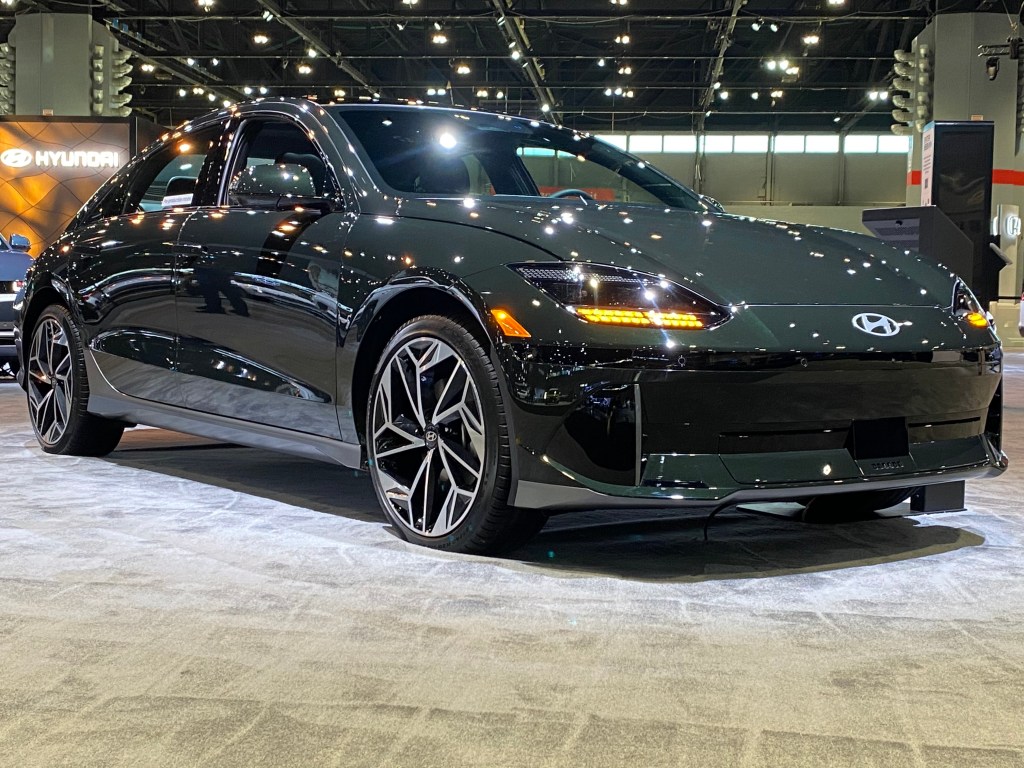
It is no secret that these last few years have been really, really good for Hyundai. The once-mocked Korean automaker has turned itself around better than any other manufacturer, going from making cheap, boring economy cars to some of the most exciting stuff on the roads. Last year, as a part of them re-launching the IONIQ brand, Hyundai released the Ioniq 5 with massive success. The car looked great, was built well, and raked up awards faster than Beyonce at this year’s Grammys. That being said, sales of the 5 still fell far short of its largest competitor, the Tesla Model Y. So, when Hyundai released its newest model to the Ioniq lineup, the aptly named 6, it also felt destined for victory and its aiming square in the jaw for the Model 3.
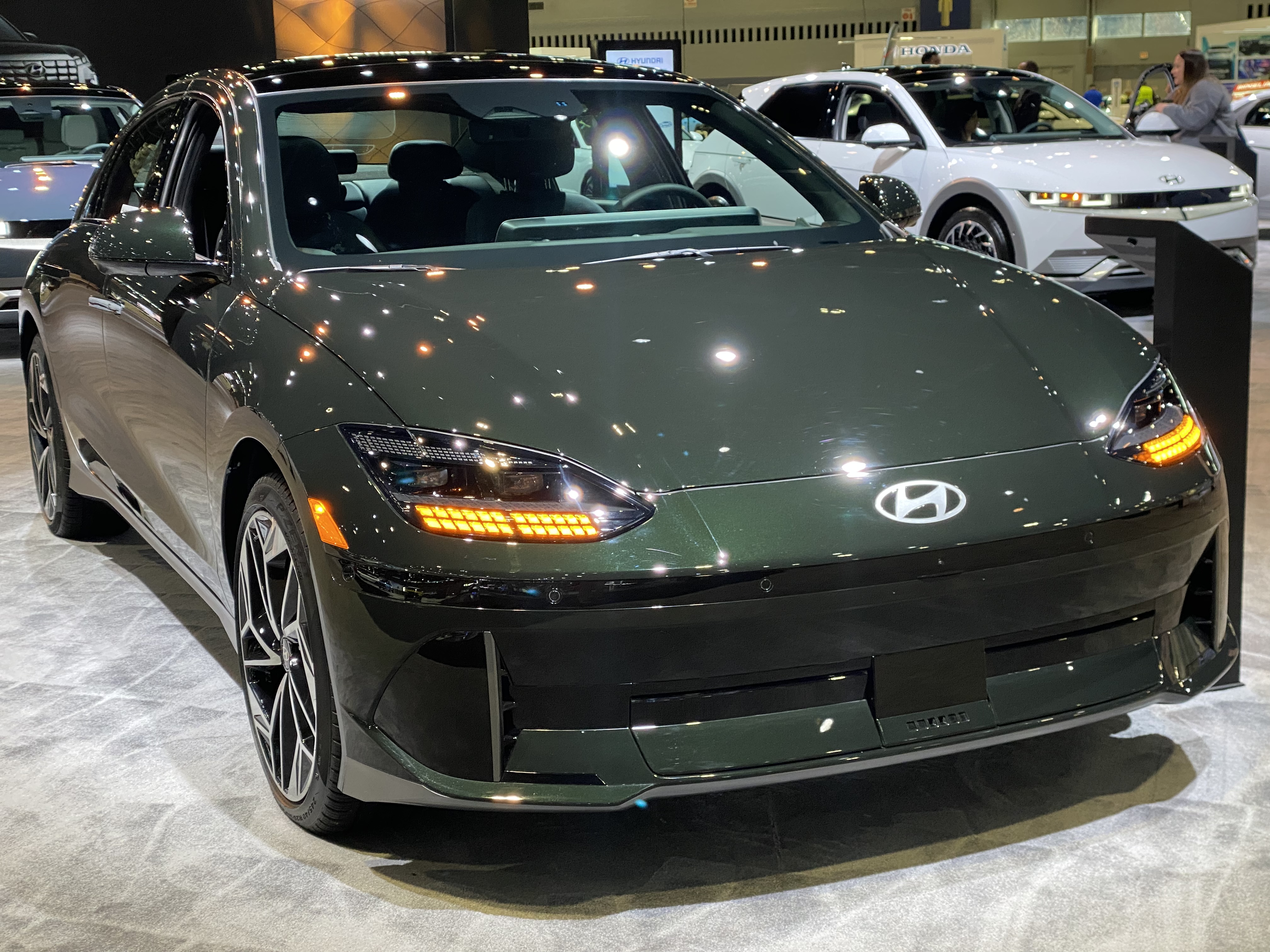
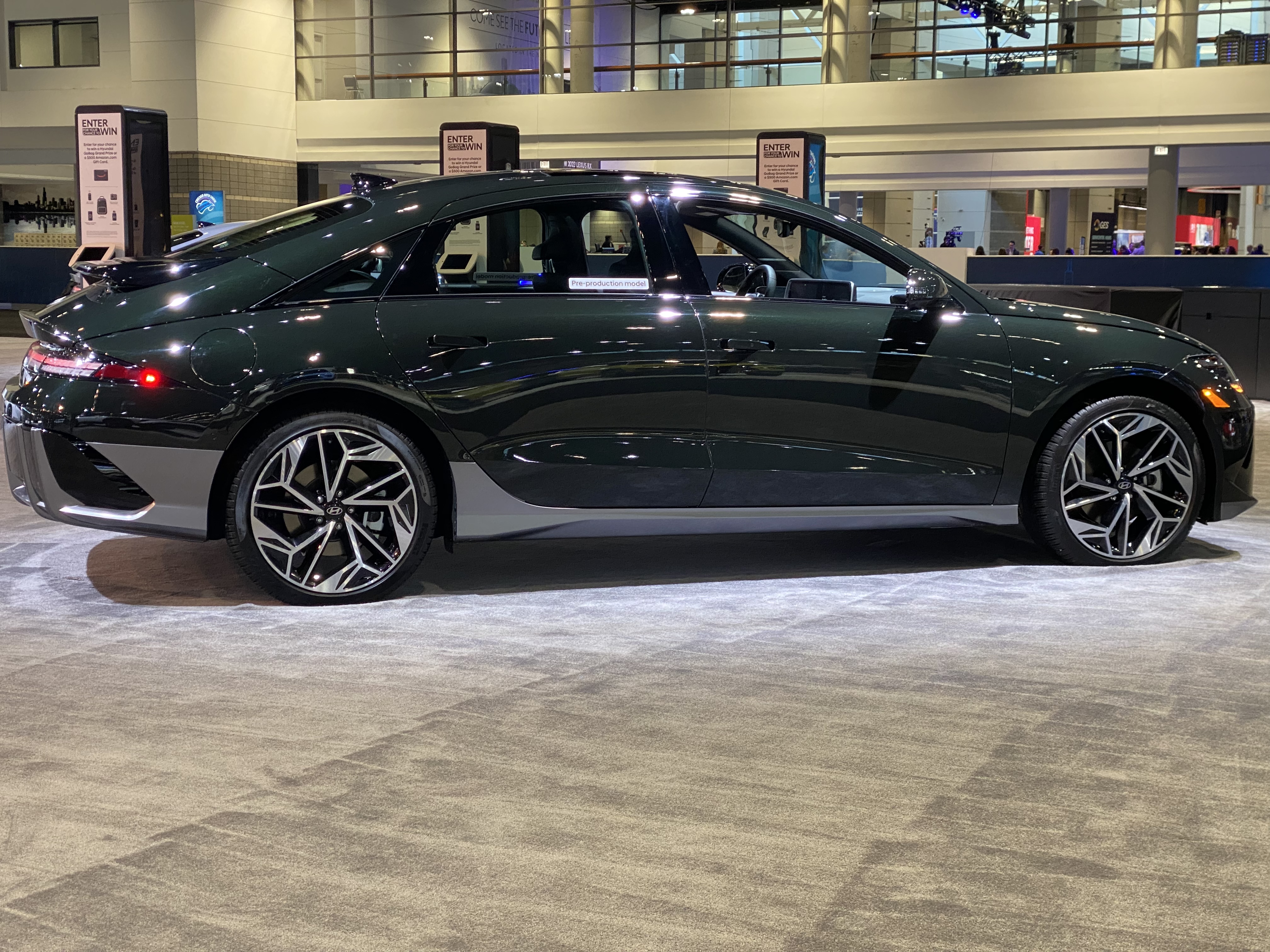
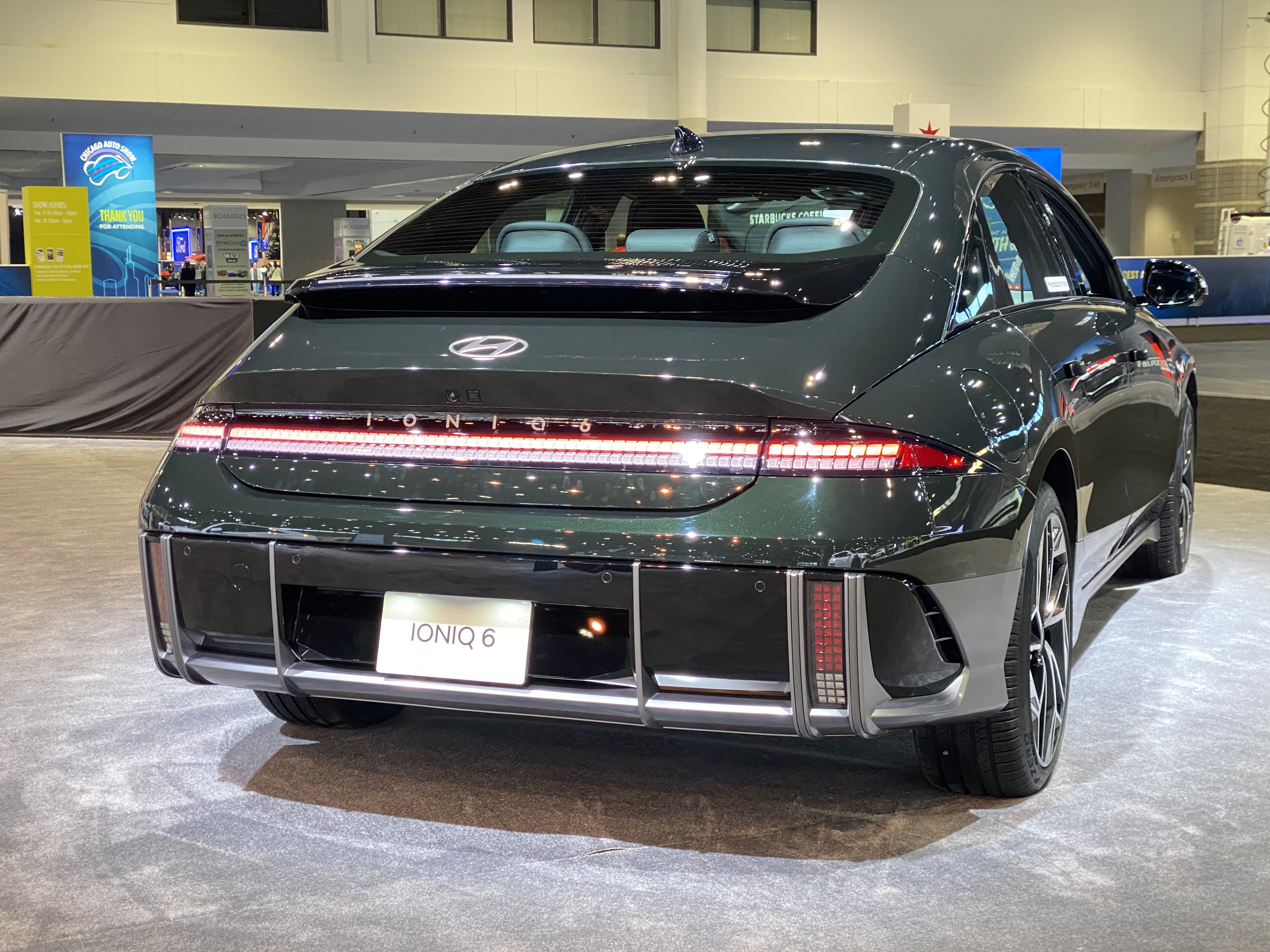
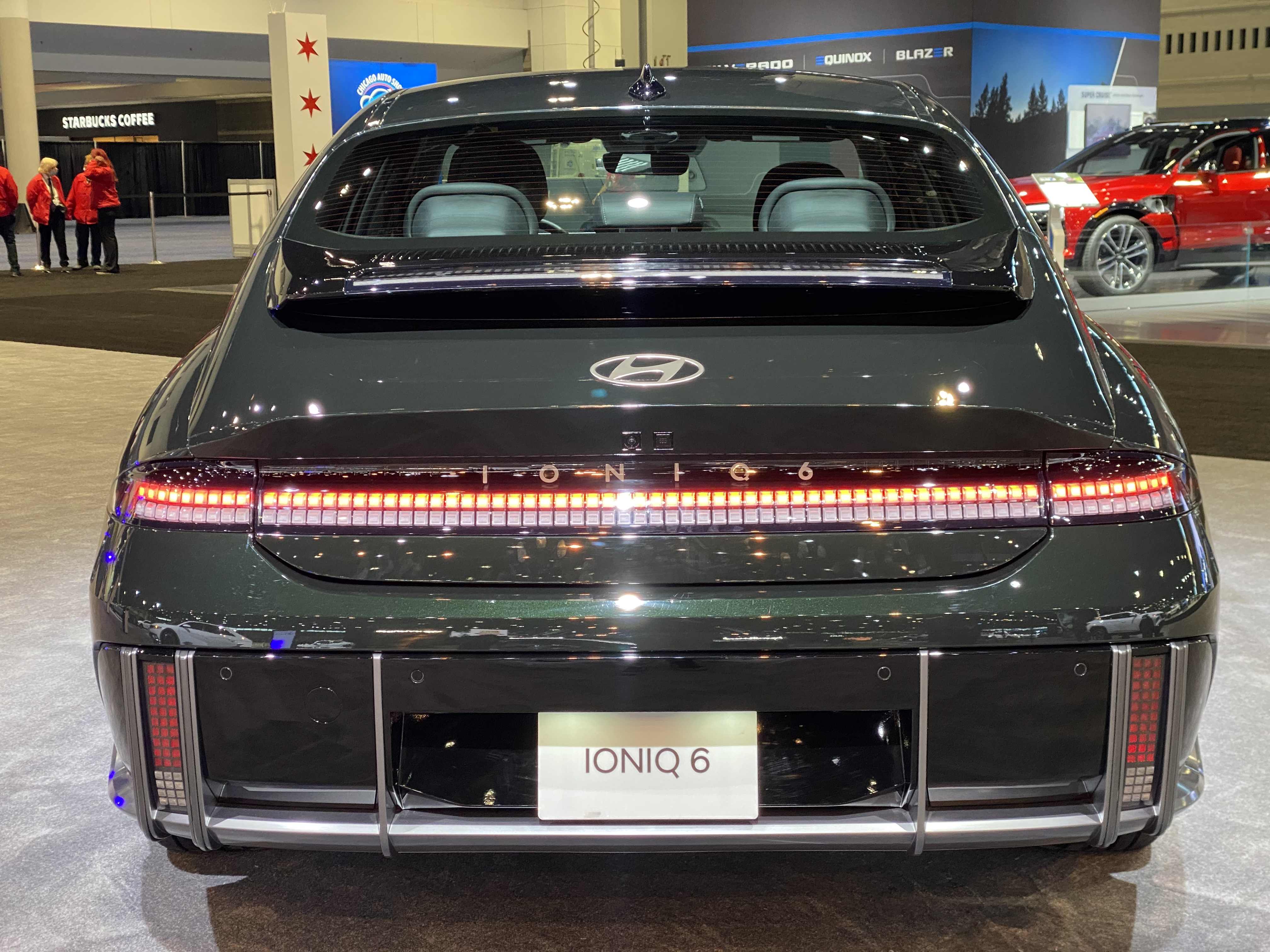
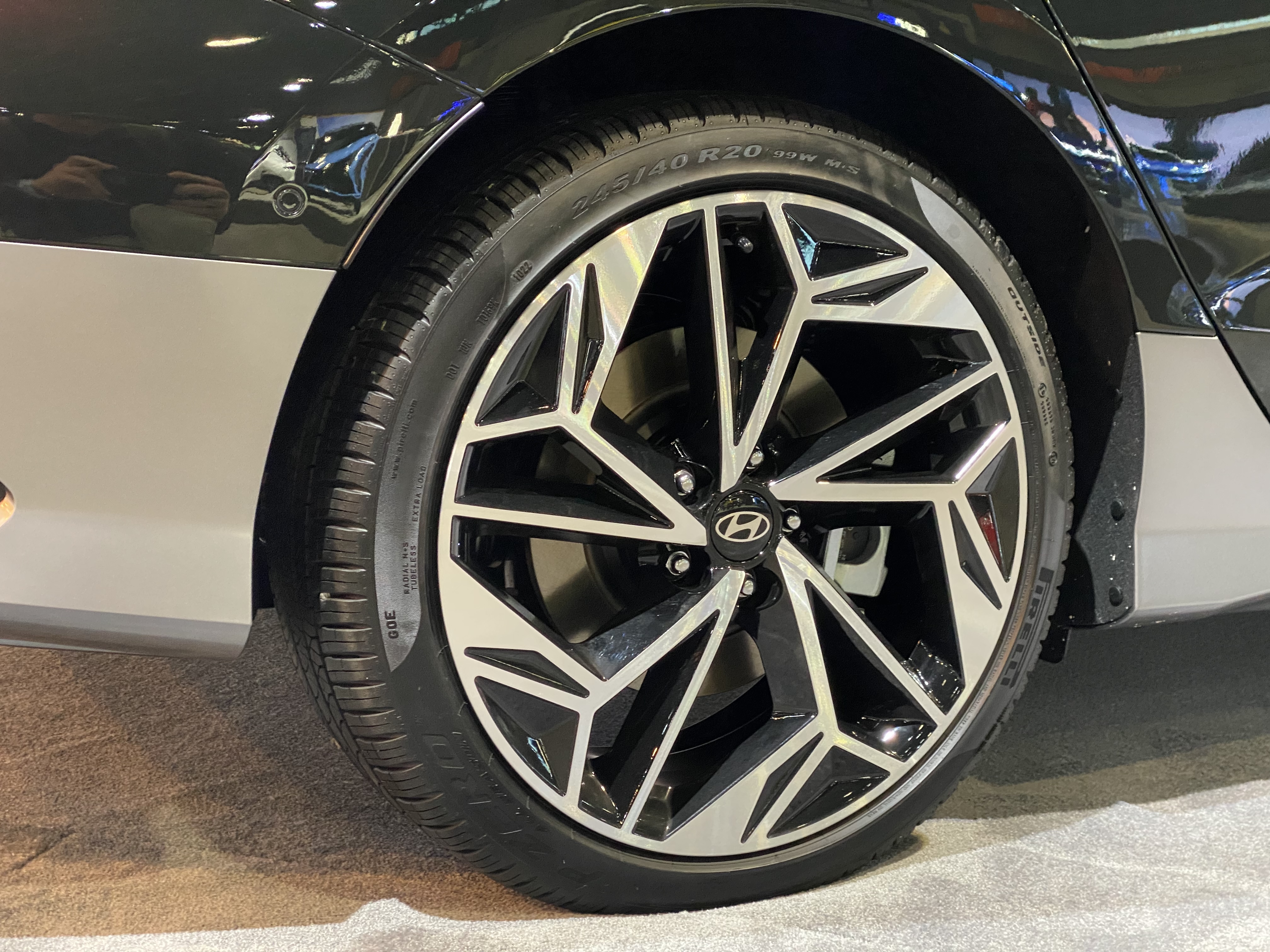
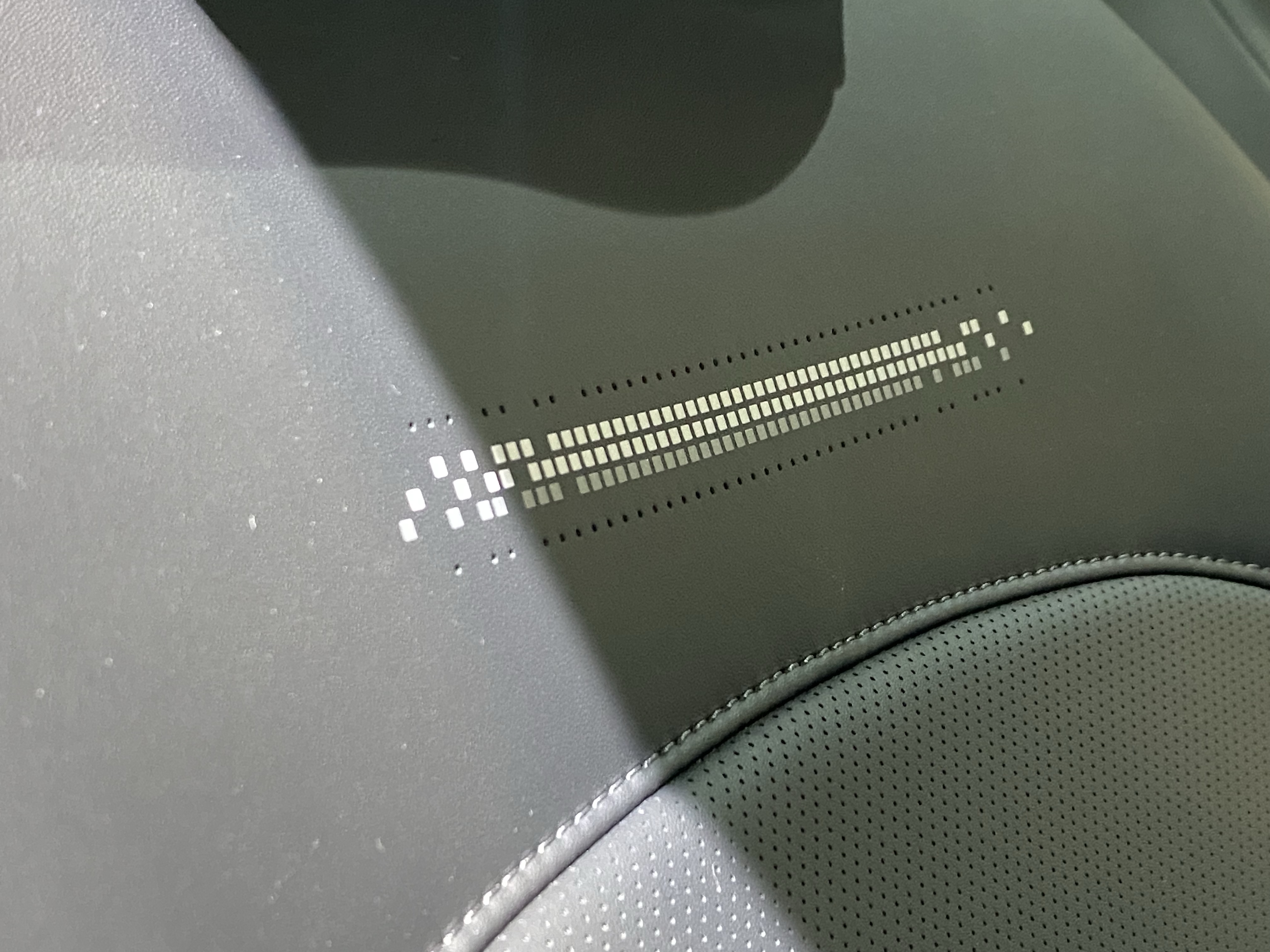
Unlike the boxy, almost retro look of the IONIQ5, the 6 is a complete 180. It’s a bean. Actually, no, it’s a better bean. See, where cars like the Mercedes EQS falter is that there is nothing to break up the “bean” shape. With the 6, there is. We get a massive ducktail spoiler sat square for all to see. It almost makes the rear of this car look like a mix between a Saab 900 Turbo, and a classic 91 3.2. That being said, there are some IONIQ 5 elements in the exterior. These come in the form of a million different pixels on every light surface. Headlights, taillights, and indicators, all of them are pixels. Nice. Regardless of what you think the rear looks more like, it is safe to say that this thing is very, very pretty.



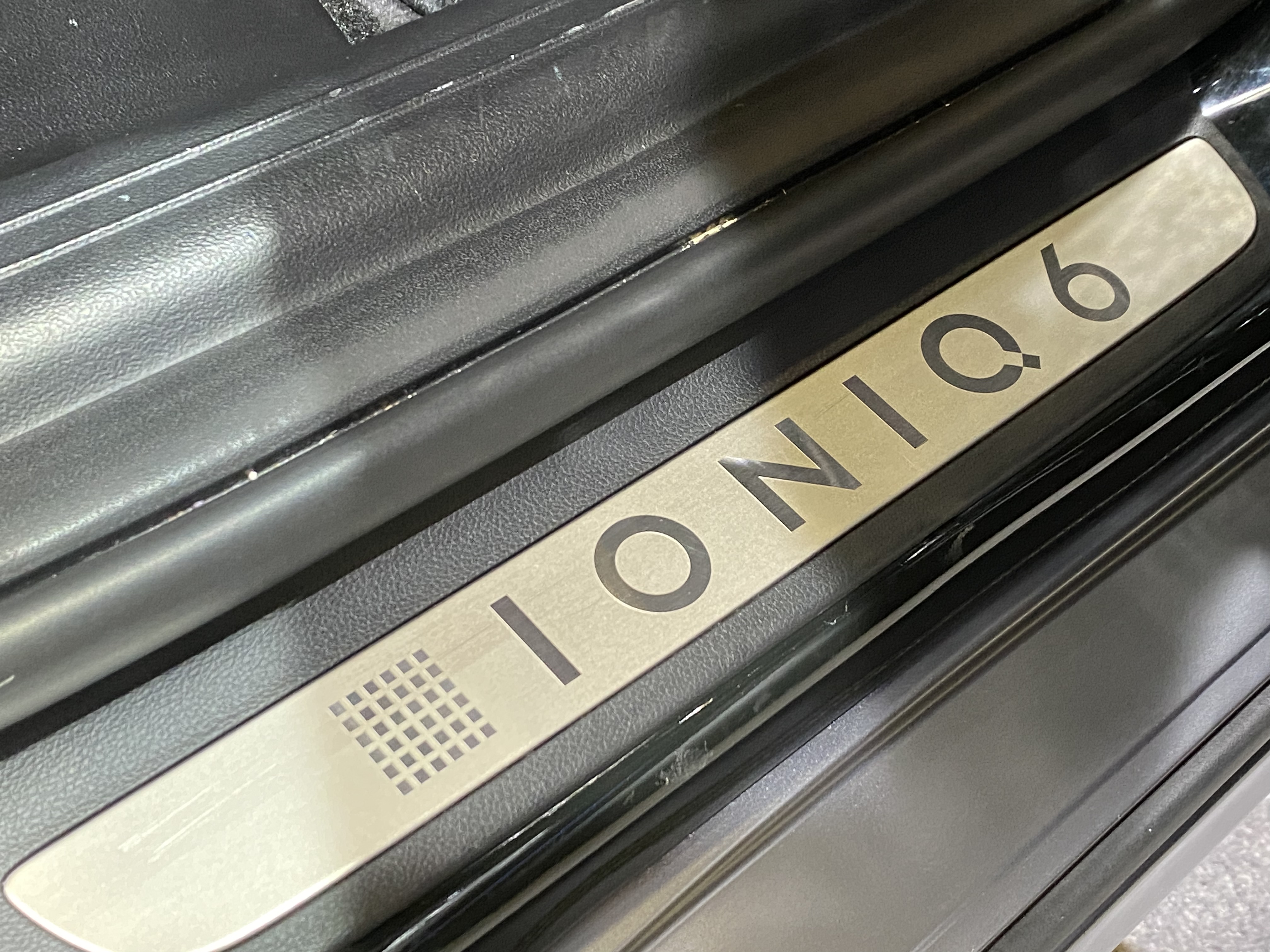
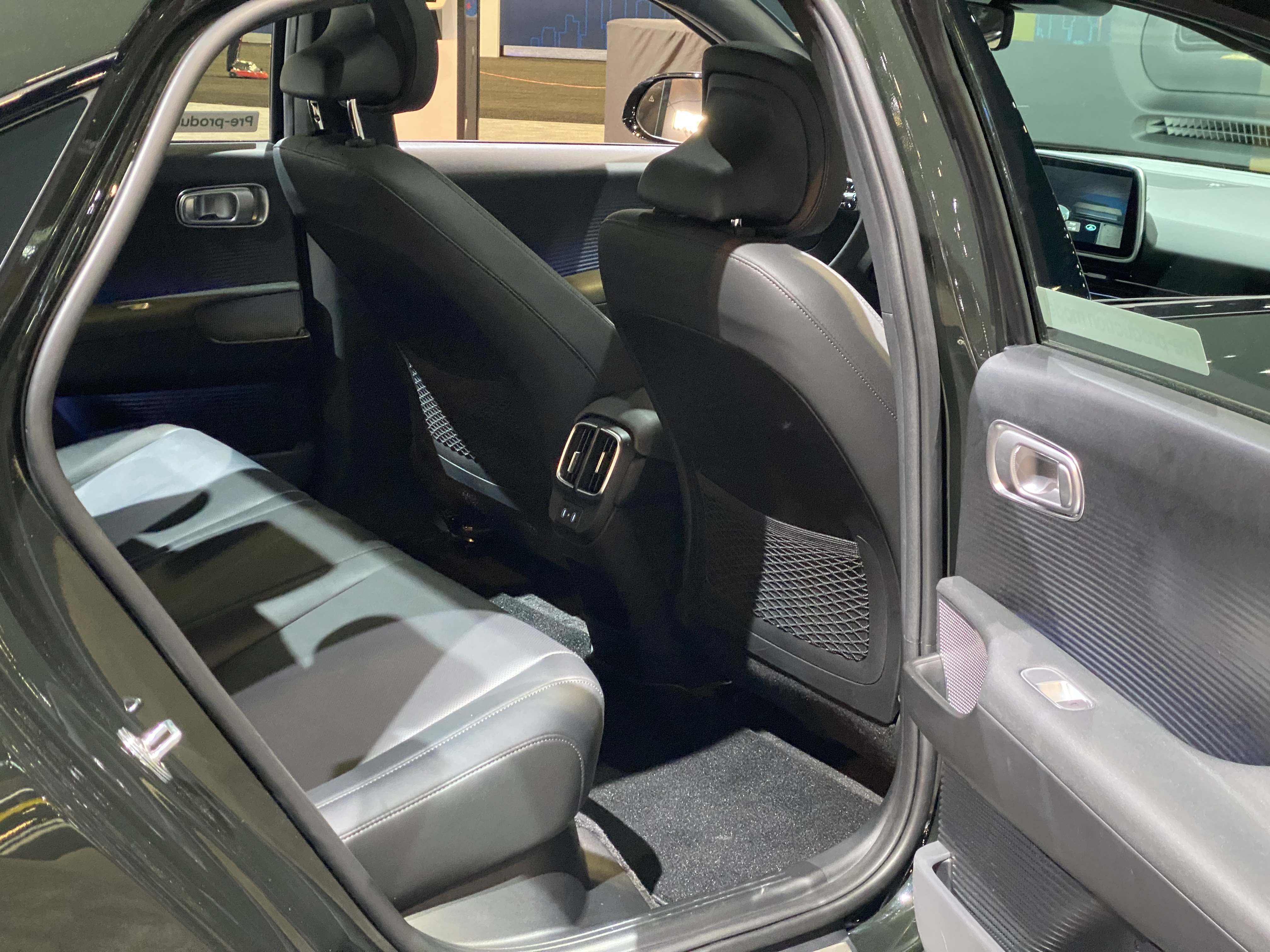
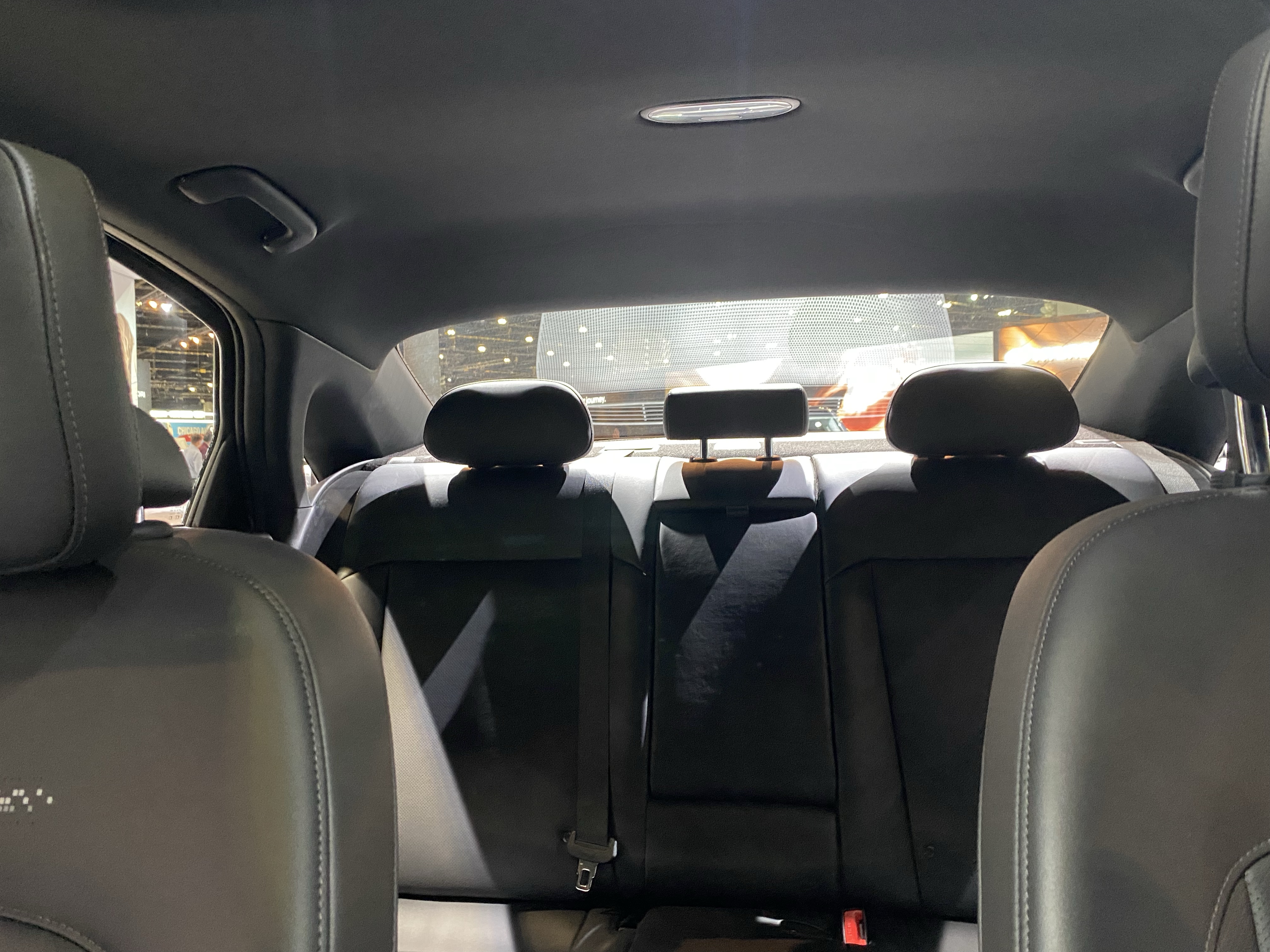
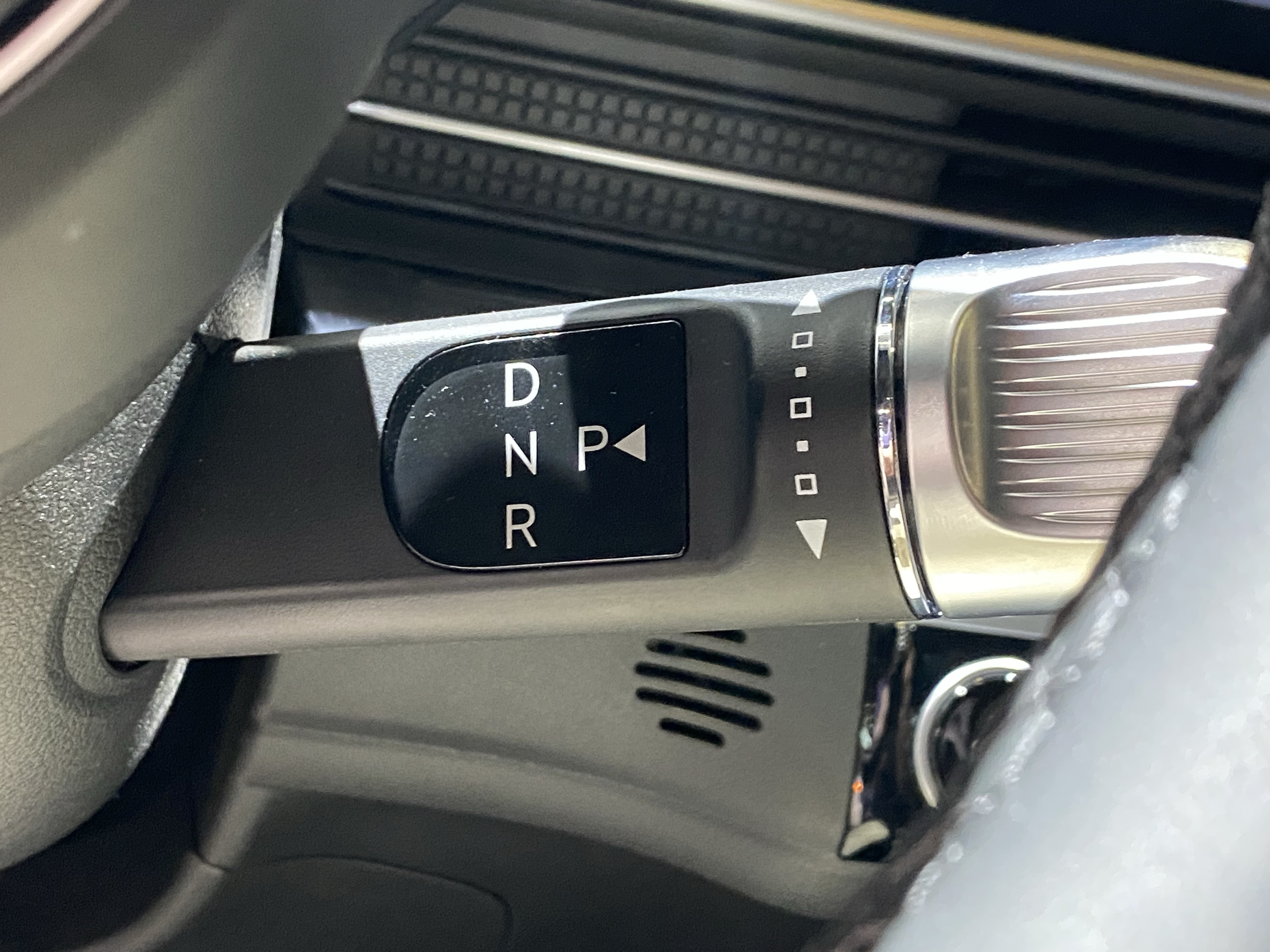
Unlike the exterior, the 6 has a marginally similar interior to the 5. This isn’t a bad thing, however, as the 5’s cabin is a great place to be. Hyundai has done a very good job both hiding and disguising cheap plastics throughout this cabin. I wouldn’t call it a “luxury” product, but “premium” feels more like it. All the buttons and switches on the center stack have a nice heft to them, and the leather is nice and plush. Nothing about this car looks like a Hyundai. It’s just so… weird. Not weird in a bad way, just not what you think when you think “Hyundai.” I’m all for it, to be honest. It’s a great place to be, especially in the backseat. There is so much room here, it’s insane. I’m 6’2 and I have first-class levels of space back here. Manspreaders are welcome here.



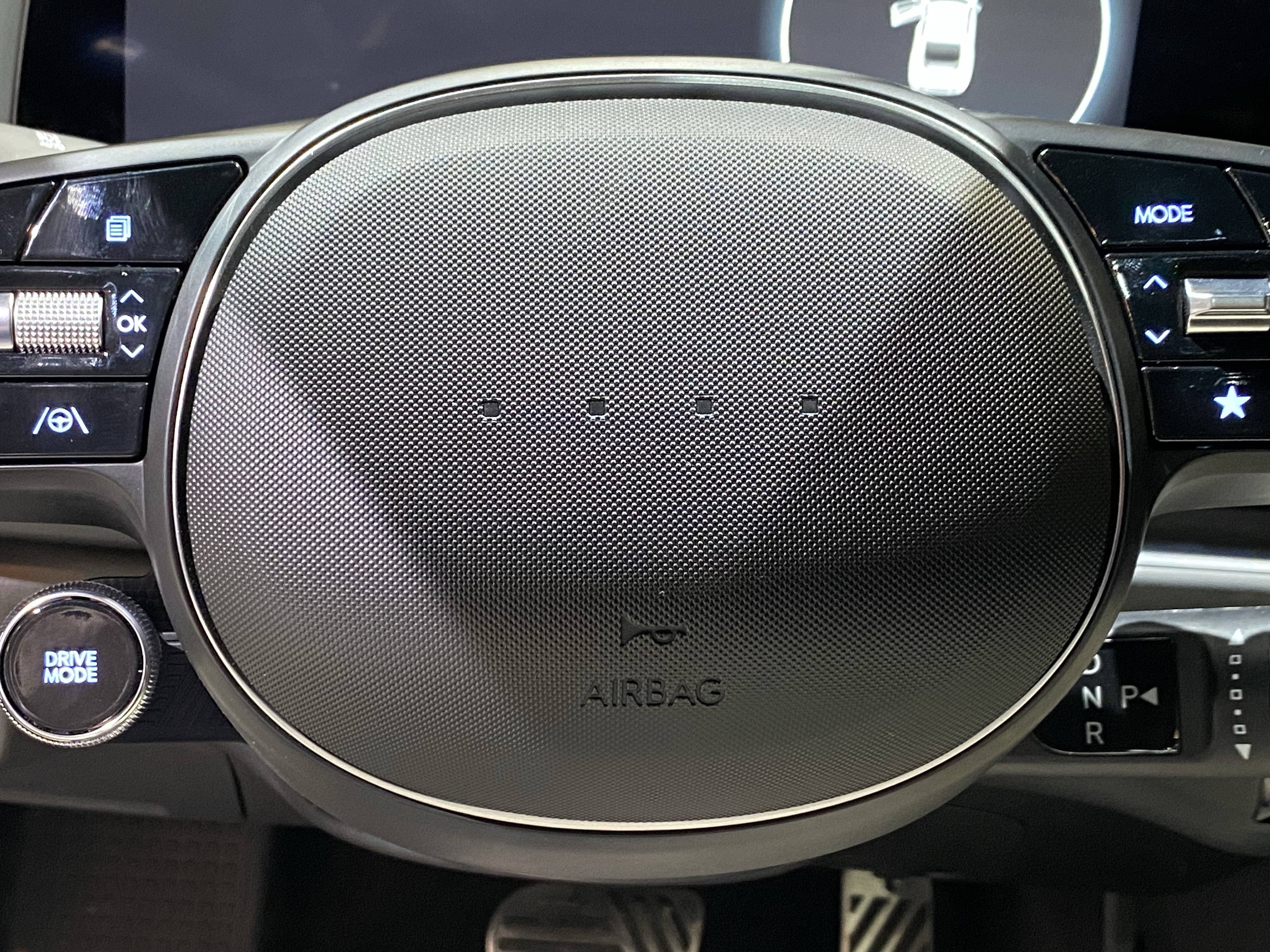
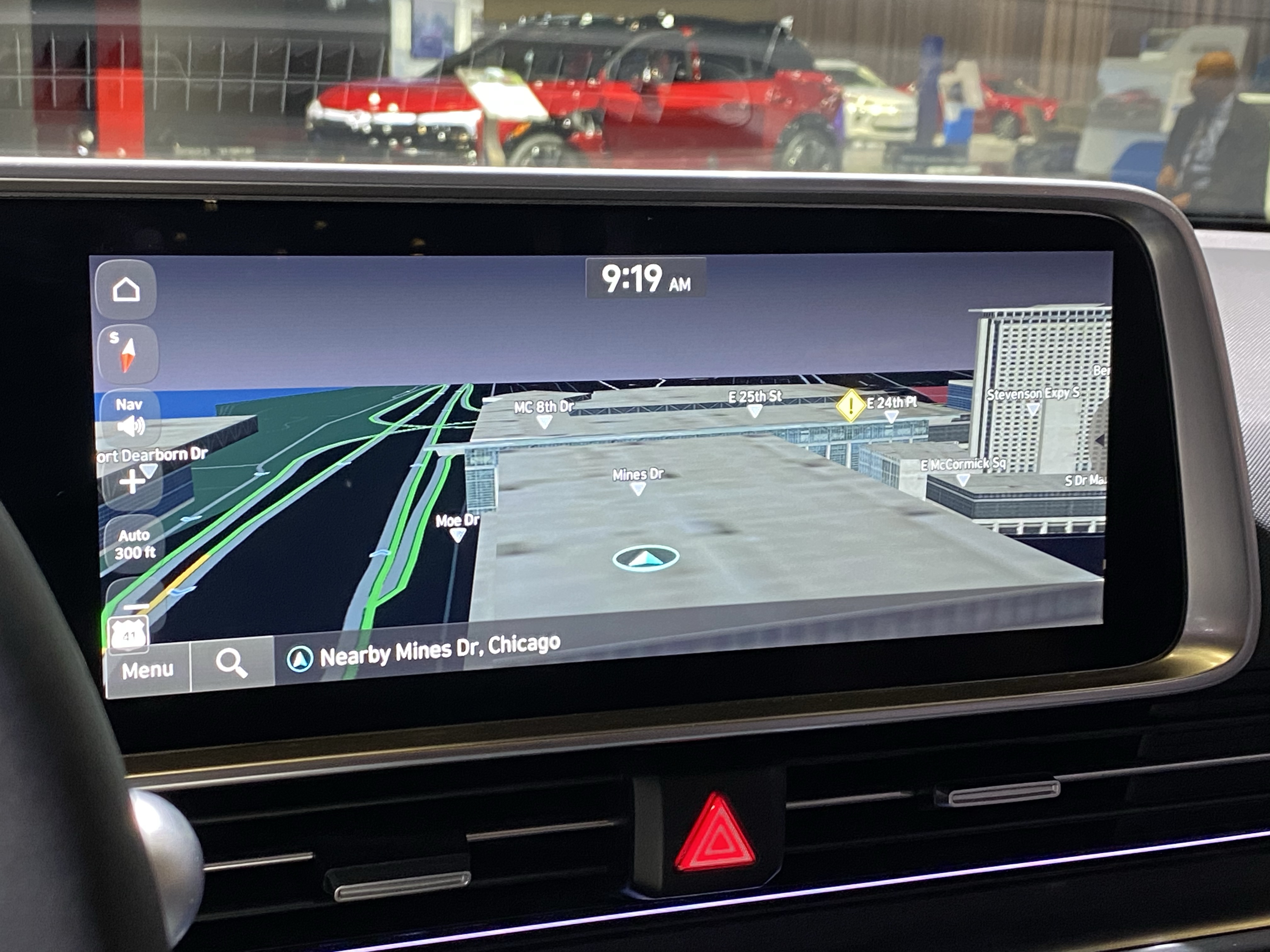
The infotainment screen on the 5, and by extension a lot of Hyundais, aren’t terribly complicated nor very interesting if I’m honest. They’re better than the likes of Toyota or Honda, but don’t feature as much clutter as the Drive system, for example. That being said, it is still a good system to use. It is responsive, easy to navigate, and wasn’t buggy to use. The driver’s screen is more or less the same. It is configurable to a point, but not to the levels that Mercedes has. Again, I’m fine with it. It might not have the gimmicks of Tesla, but if you’re looking for a no-nonsense infotainment setup, this is your car.


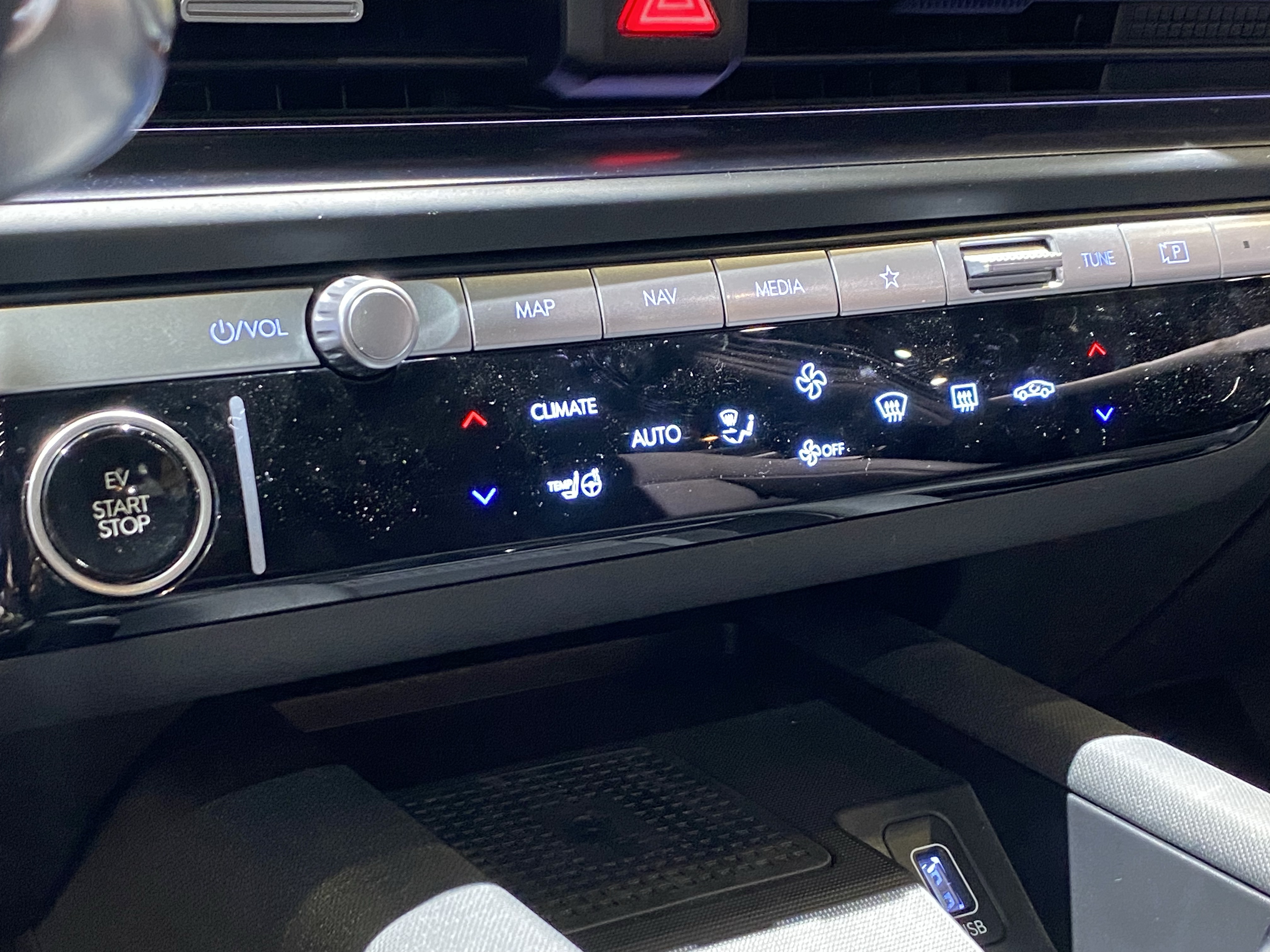
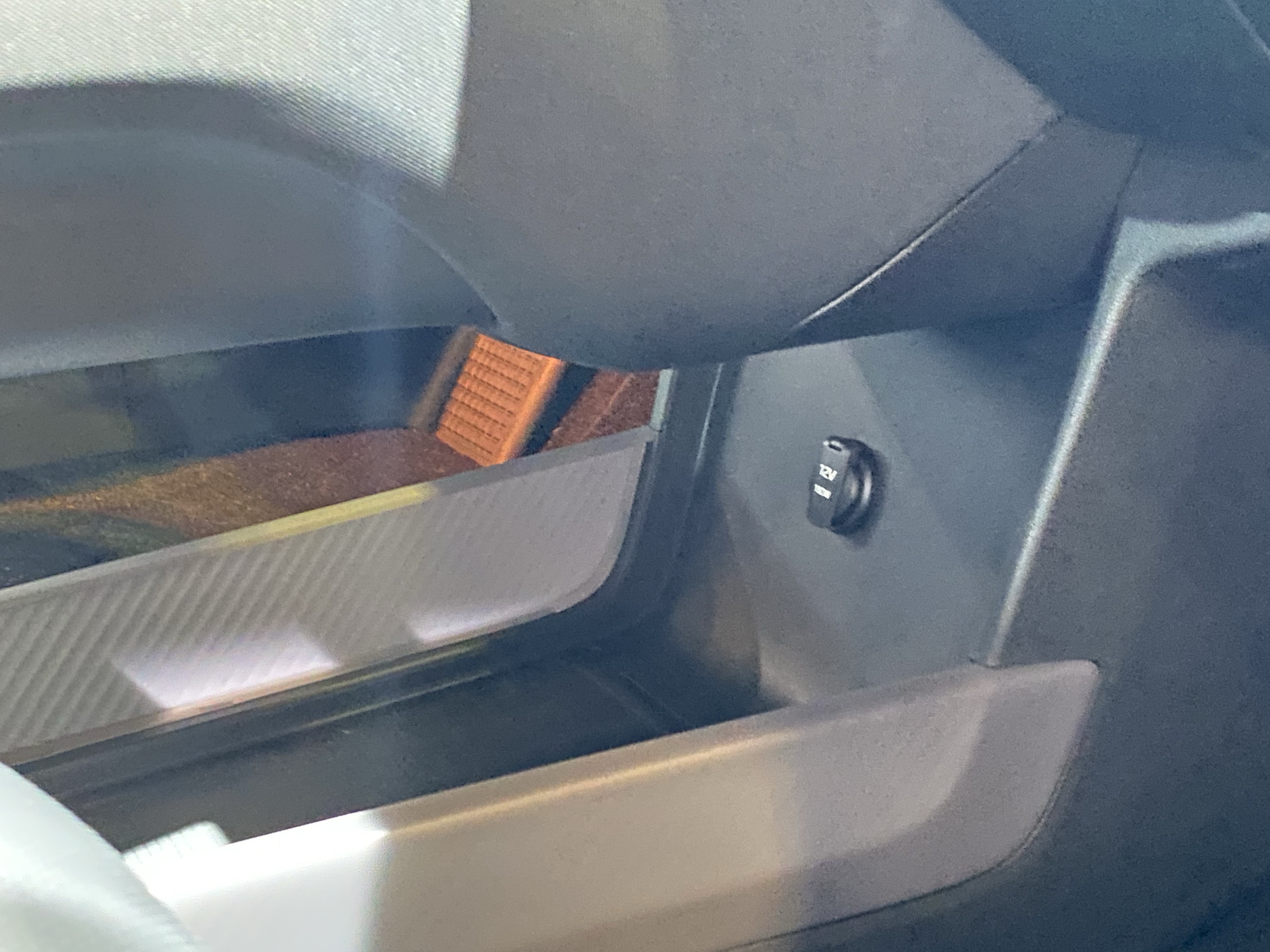
This trend of simple yet plenty continues when it comes to the technological features the 6 has. It has heated and cooled front seats with outboard heated seats, a heated steering wheel, CarPlay and Android Auto, dual-zone climate controls, a voice command system, USB-C, and a full 24-volt socket for rear passengers. You also get such safety features as lane keep assist, forward-collision warning, radar-guided cruise control, blind-spot monitoring, active brake assist, and a million trillion airbags to keep you safe, and it will. It earned 5 starts for EuroNCAP. Again, it doesn’t have the same gimmicks as a Model 3, what with its “mars mode” and ability to play CupHead while flying down the interstate, but to a normal consumer, they’re gonna like it.




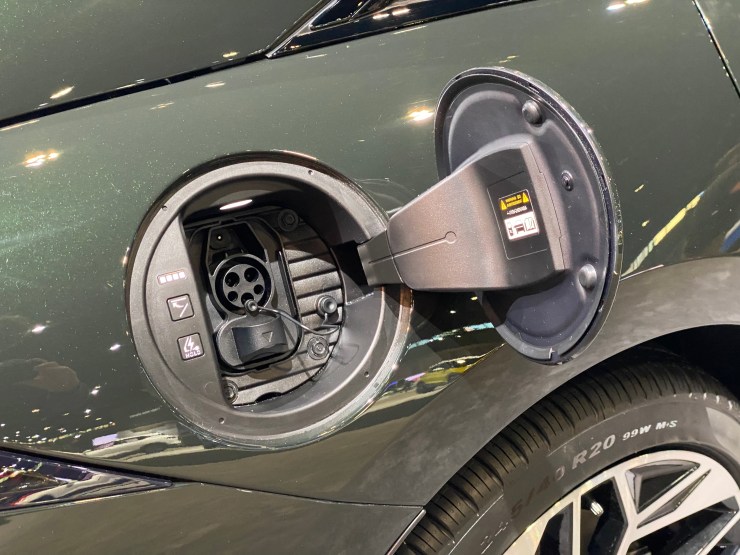
Here are some numbers: The Hyundai IONIQ 6 is powered by either a single (or dual) motor battery pack that drives either the rear or all four wheels. While the dual motor version with that AWD gets 320 hp and will do 0-60 in about 5 seconds, that isn’t the one you’re interested in. The one that you and everyone else are going to think about is the single motor with rear-wheel drive. This only gets 225 hp and goes from 0-60 in roughly 6 seconds. But, big but, this setup gets an EPA-estimated 361 miles. 361 miles. That beats the Model 3 by less than 10 miles, sure, but in the world of edging out the competition with rage, this could be huge for Hyundai. If real-world tests show this number is valid, or even a conservative estimate, this could help Hyundai’s sales massively. Potentially, that is.
Guess what? I couldn’t drive it. I assume it drives fine but don’t take my word on it. Anyway, pricing for the INOIQ 6 is slated to come out later in the year, with estimates showing anywhere from $44,000 for the base model, all the way up to $53,000 for the Limited. However, there’s a problem. Because the IONIQ 6 is manufactured in South Korea, it won’t be eligible for the EV tax credit. Yea, that’s a big problem. See, if this can’t compete with the Model 3 on pricing, this car could struggle. I’ve heard rumors of Hyundai doing the Ford Transit Connect approach and just doing the very final assembly here, but that isn’t confirmed.
Regardless, the IONIQ 6 is impressive, and a major leap forward for Hyundai and its EV line-up. I hope to see these on the road in droves.


 Zander Drives Cars
Leave a comment