
One of the more popular trends in electric vehicle manufacturing is taking an existing model built on an internal combustion platform, and throwing some batteries in it. Most of the electric cars I’ve driven are like this. It is typically the easiest and cheapest way to create an EV for your brand. And while some criticize the move as lazy or uninspired, it makes an experience remarkably similar to an internal combustion vehicle. So, does BMW’s new i4 (based on the already existing 4 series) continue this trend? Let’s find out.
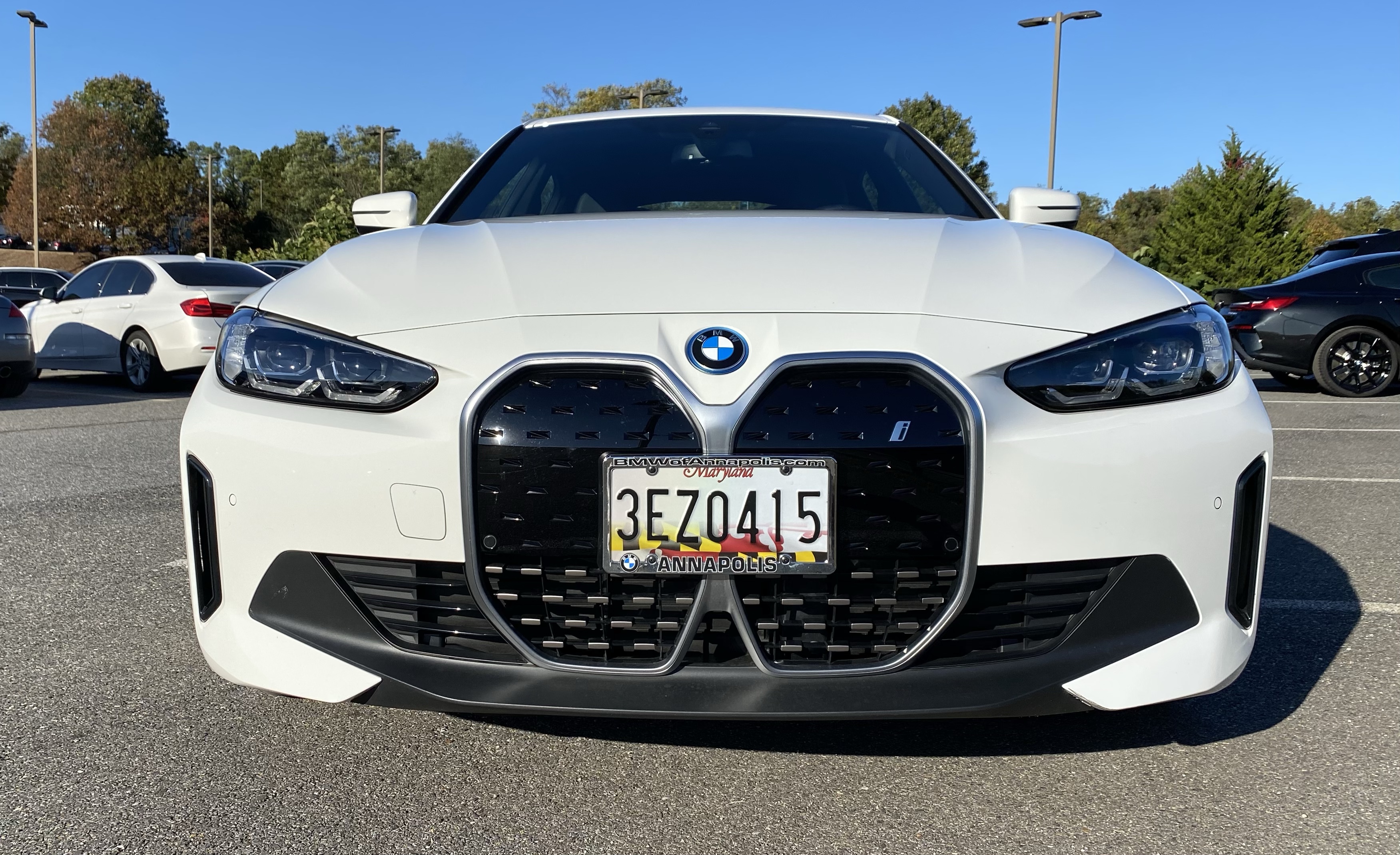
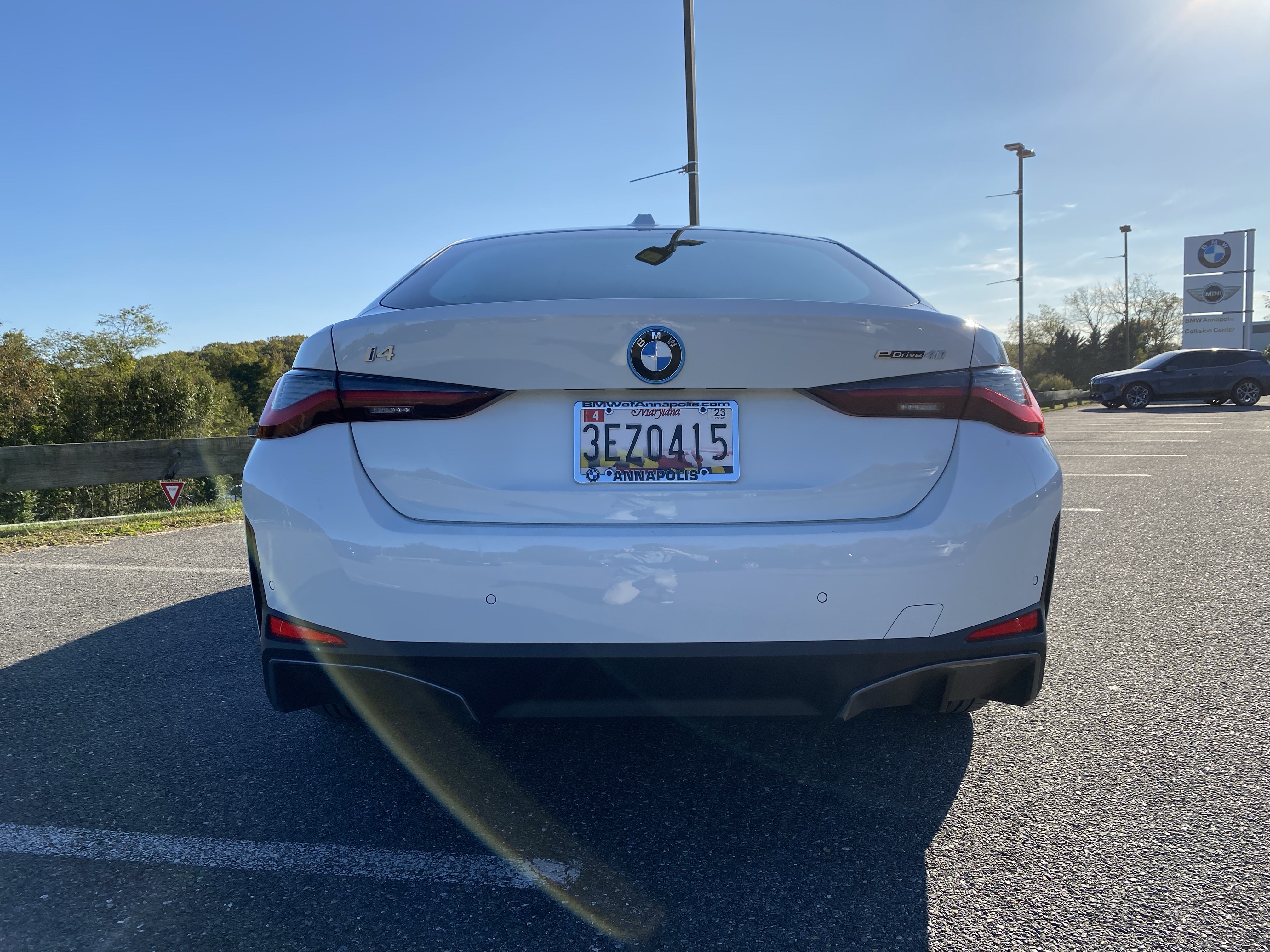
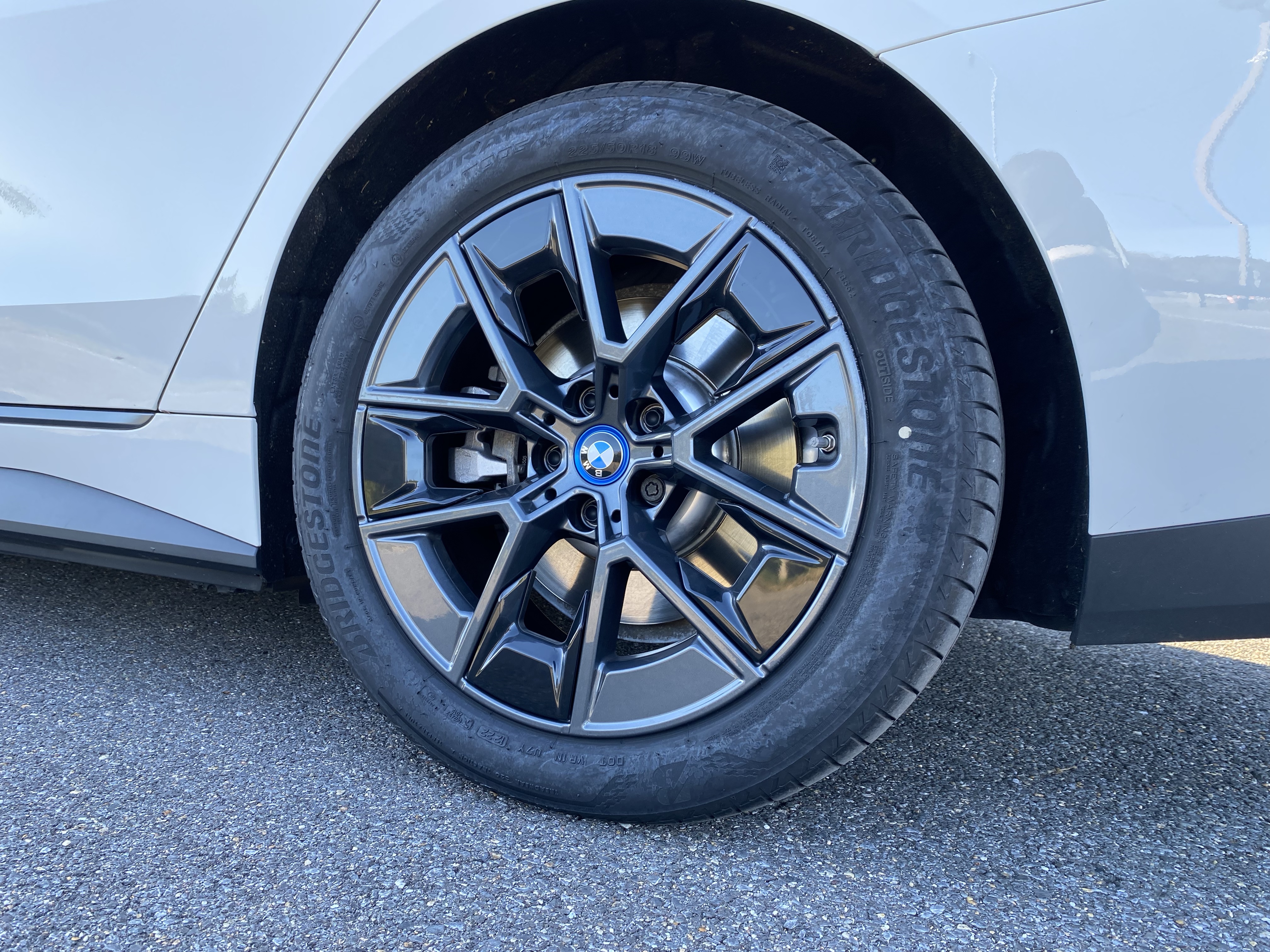
I am not going to say anything about the way this car looks that hasn’t been said a million times already. The way the i4 looks is almost identical to the gas-powered 4-series, with the exception of the front grille, which has been replaced with a textured piece of metal. Like most four-door “coupes,” the i4 has a very pretty side profile that most people tend to look past because of the front. Call it whatever you want, I don’t care. For me, the current 4-series has been around for so long that I don’t even notice the front anymore. It just exists. You also get different wheels with the i4, as with most EVs, they are designed to maximize your range by being smaller and having fewer openings to better direct air around them. Aside from those changes and a large “i4” graphic on both sides of the vehicle I drove, it would be hard to tell from a glance that this isn’t a 435i.




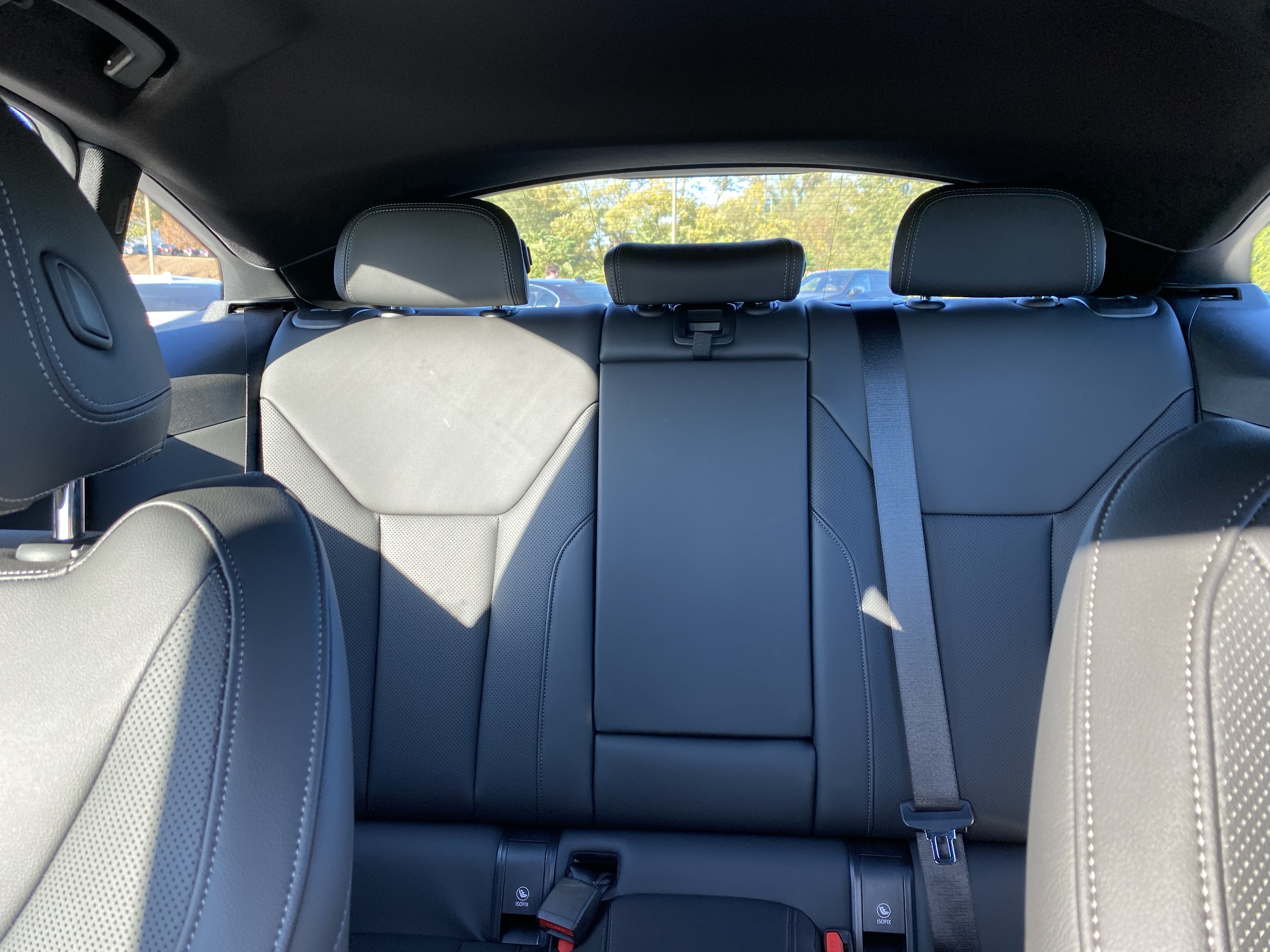
BMW interiors have improved significantly over the past decade. The first 4-series BMWs had less than premium interiors with some interesting material choices. This i4, however, is miles above that. The brushed aluminum on the doors and center console both looks and feels premium. The blue trim around the gear selector adds a needed pop of color that offsets that large amount of black, while also complimenting the silver trim pieces. The seats are typical BMW, which means they’re more firm than anything from Mercedes or Audi. If you’re a chiropractor, you’d love to see your patients rolling up in these. Like all “coupes,” headroom is sacrificed in the name of style, but it isn’t as awful as one might think. Unfortunatley, the legroom is awful. I am a 6’1 individual, and with the front seat in my driving position, I struggled to get comfortable in the rear seats. This is one of the criticisms of creating an EV with a gasoline platform. With a pure EV platform, you don’t have to worry about engine space, meaning that the cabin can accommodate tall people in back seats.
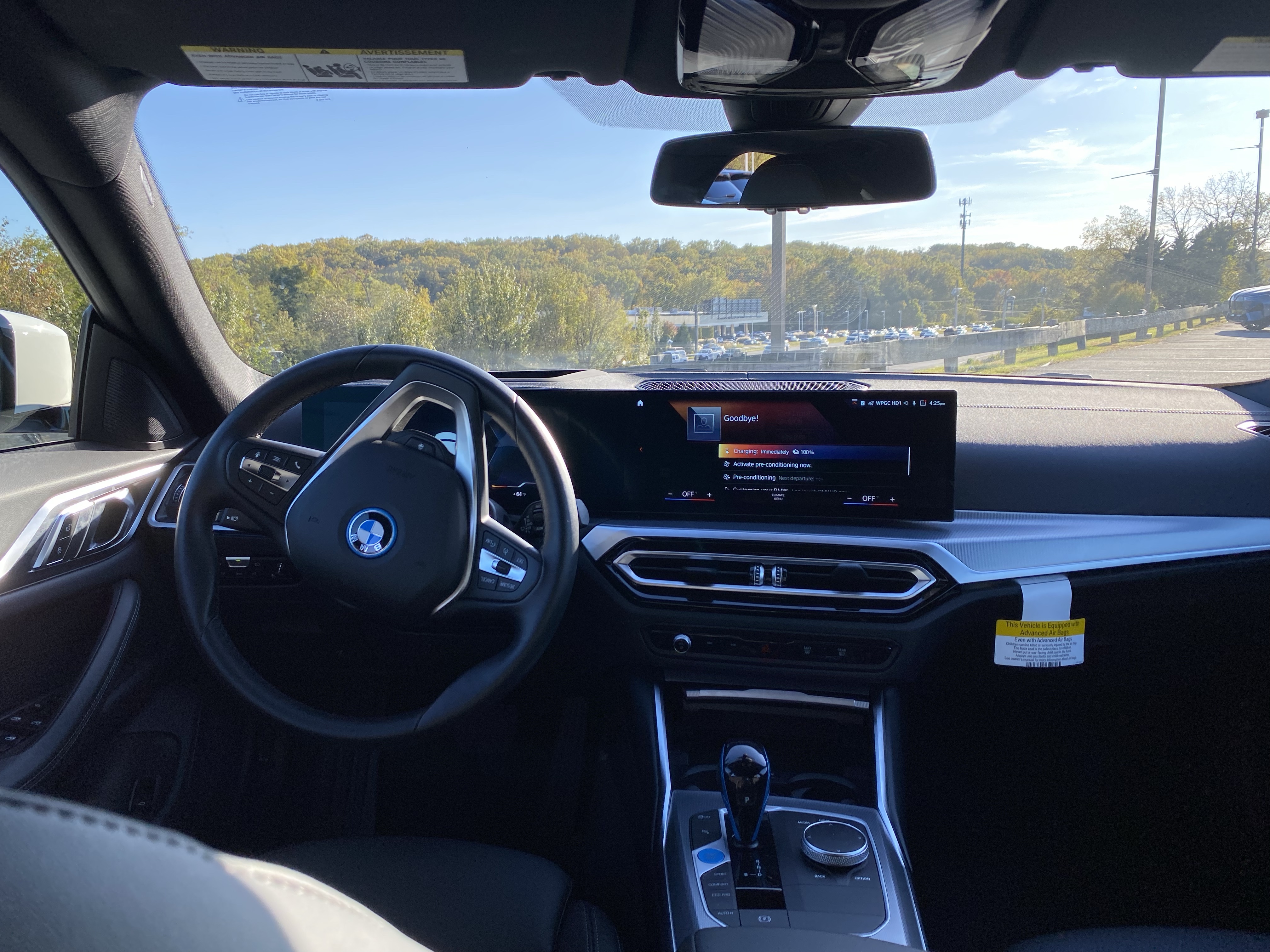
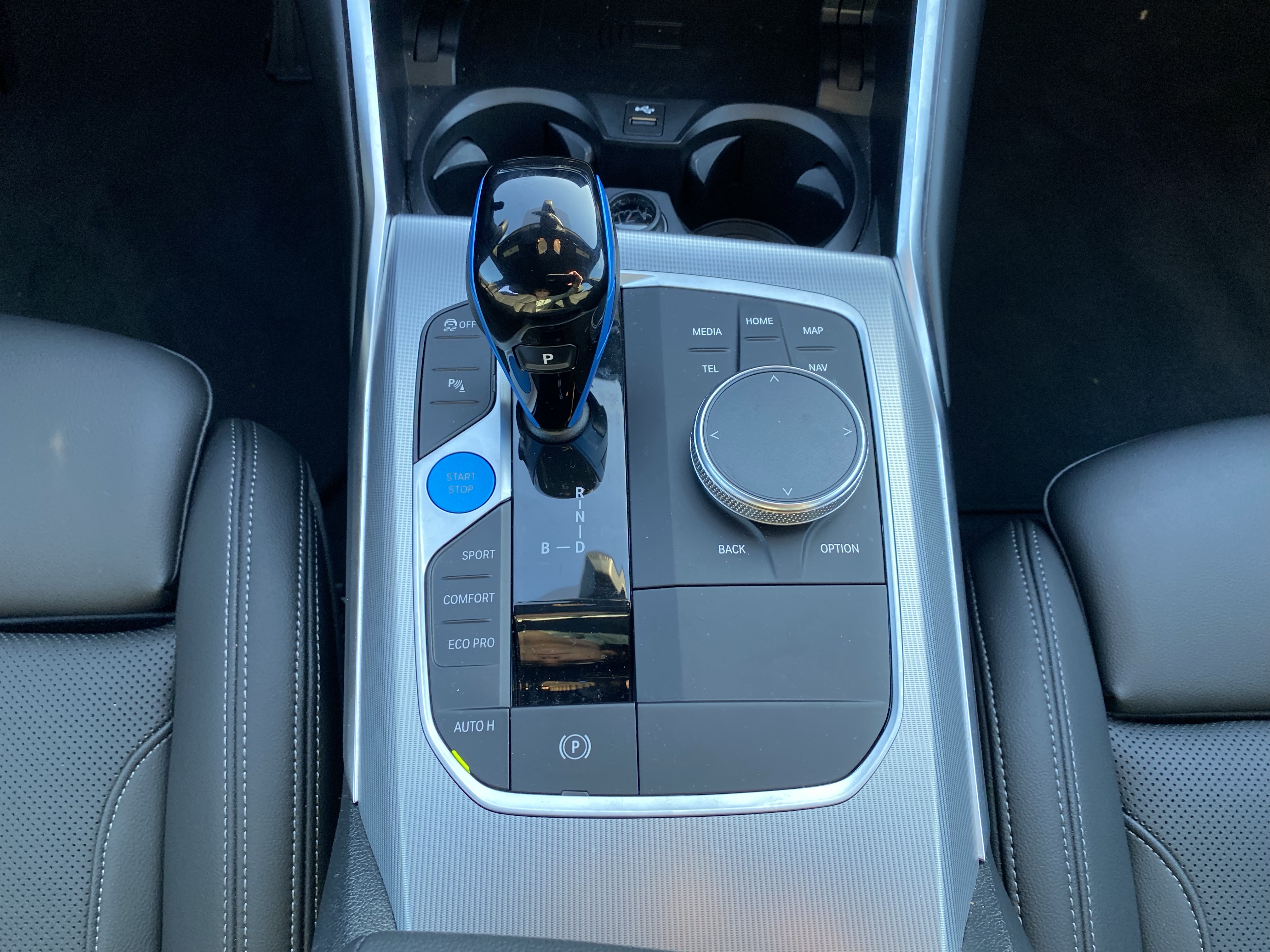
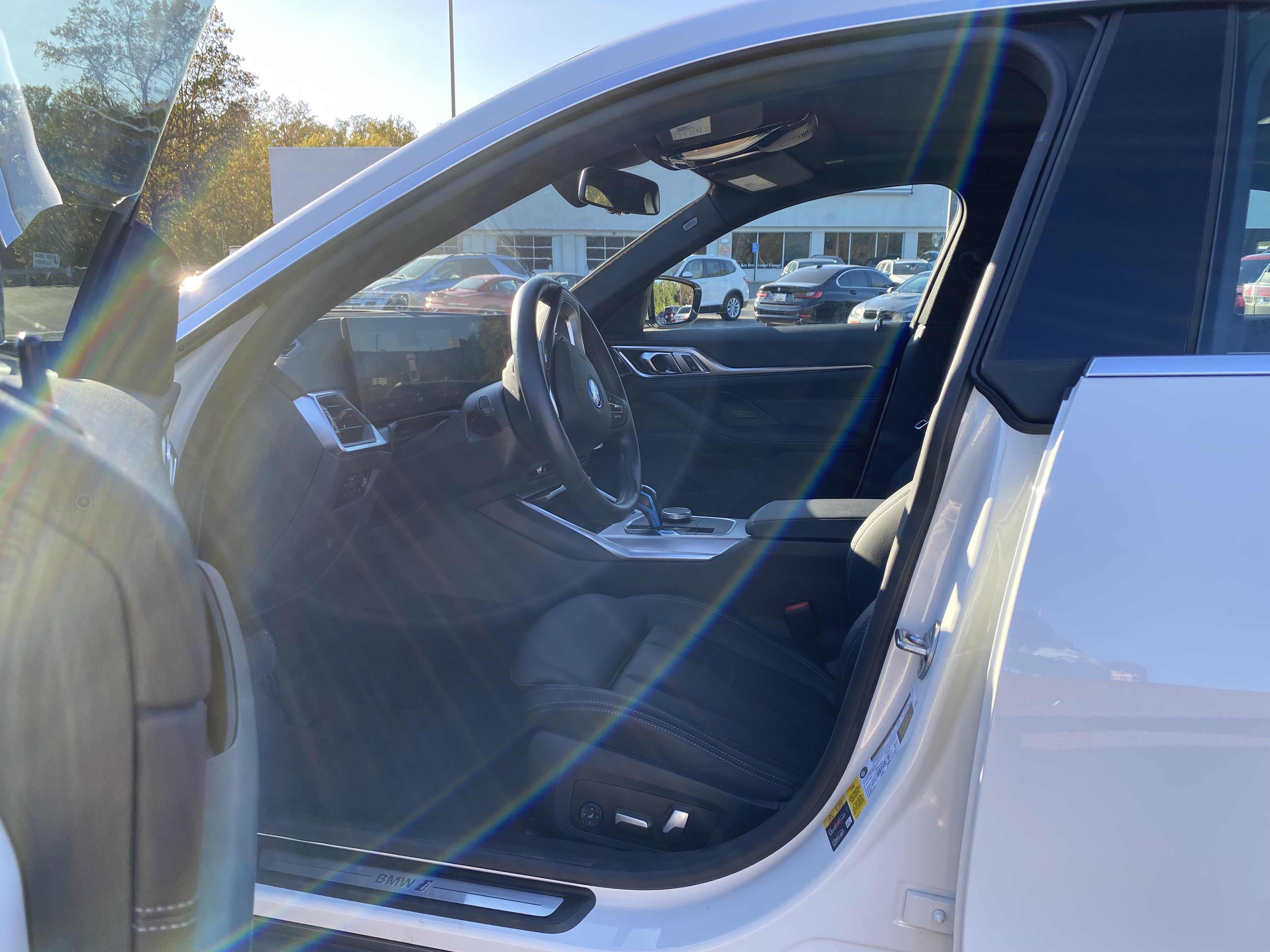

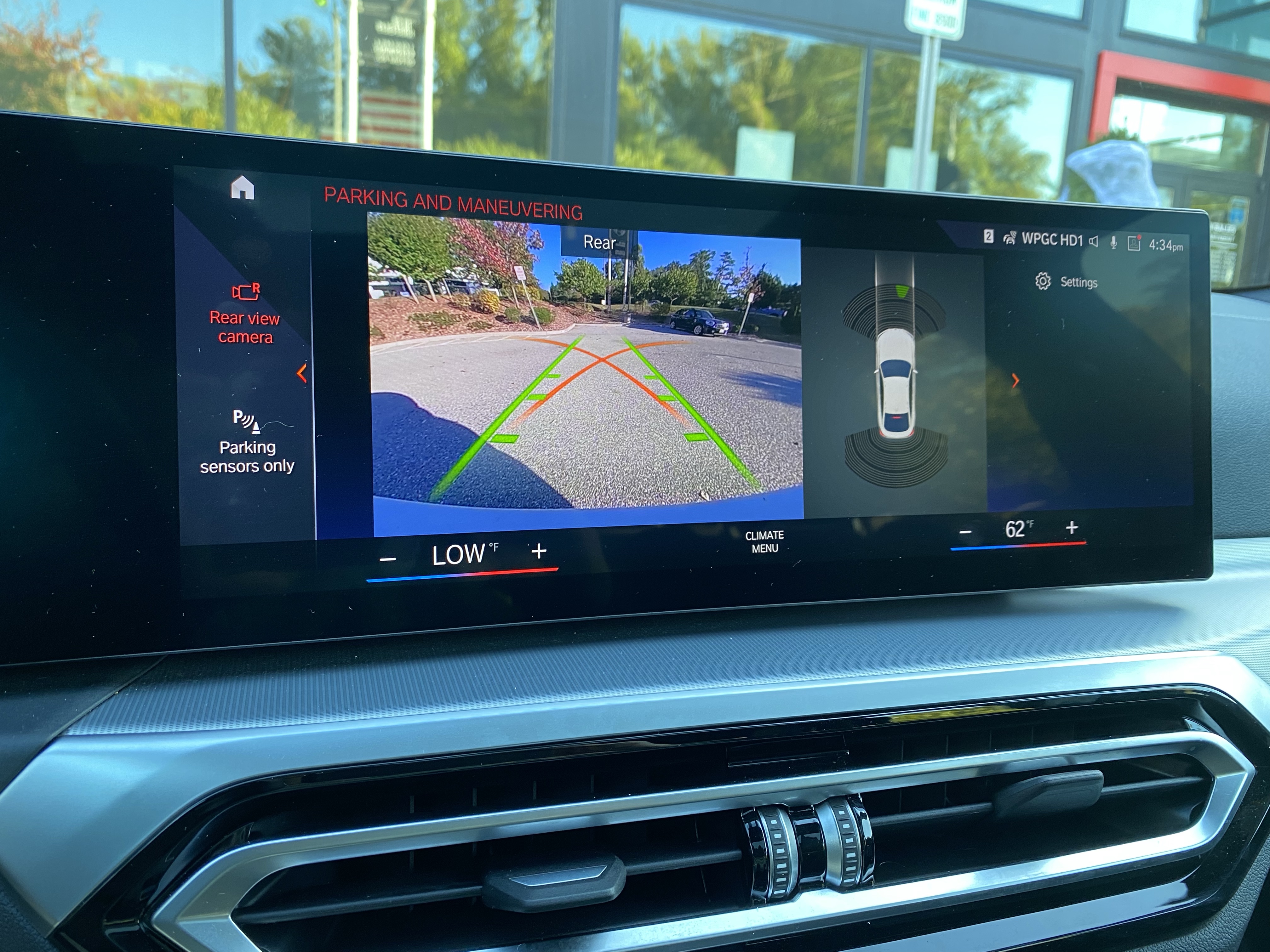
The BMW Drive system has reliably been one of the best infotainment systems on the market. The current system, on its seventh interaction, is controlled either by the famous iDrive knob, or by touch screen.
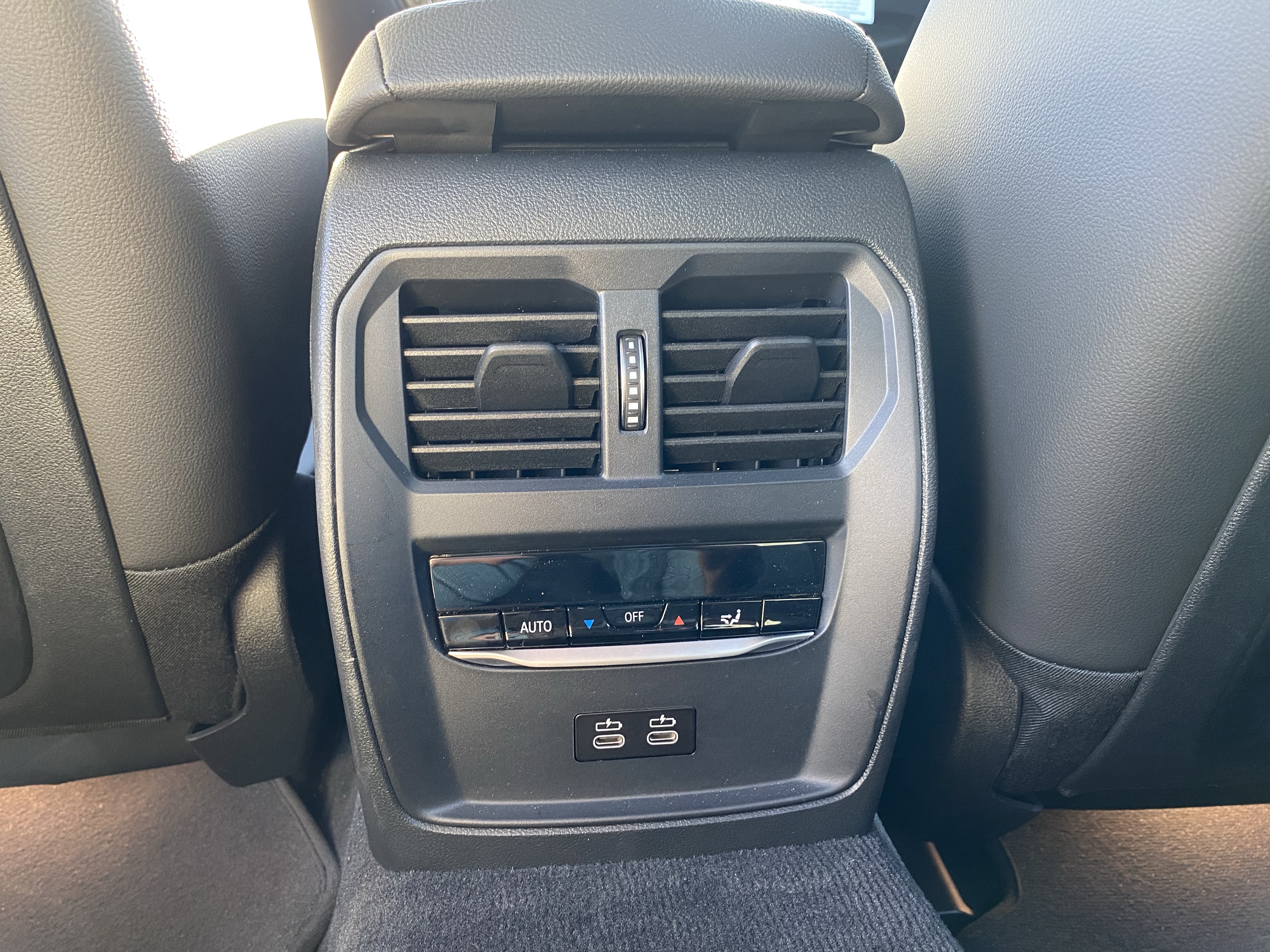
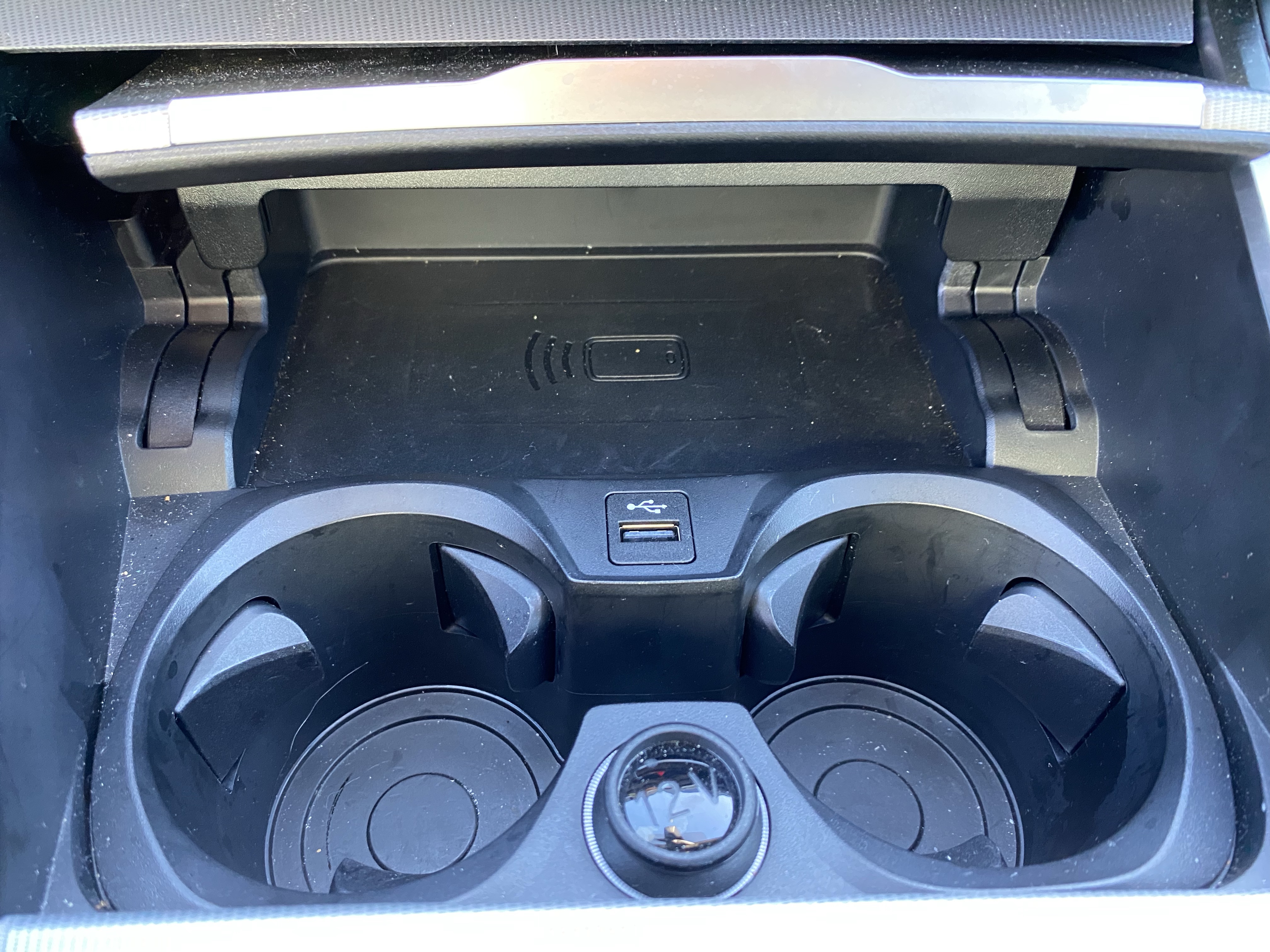
Personally, I prefer the knob for whatever reason, but the touchscreen is very accurate and has no issues reading your fingers. It contains everything you could possibly need to know about your car and has one of the best dual-screen systems in any car on sale today. The only knock I could give it is that there are so many different “apps” that get pre-loaded into the system that it could be hard to find exactly what you’re looking for at times. Another great feature of the i4 is the drivers screen. It is fully digital with truly endless ways to customize it to your liking, including a speed readout that looks like the HUD of a jet. Speaking of HUDs, this car has one that works well and is very clear and easy to read. Other features of this i4 include heated and power-operated front seats (insert your subscription joke here), heated steering wheel, dual-zone climate controls, adaptive cruise control, USB A & C ports, a wireless charging bay (which is worth noting didn’t charge my phone during my drive), ambient lighting, and a whole slew of safety systems that include stuff like cross-traffic alert, blind spot monitoring, and a bunch of cameras to help you not hit stuff while parking, and braking assist.



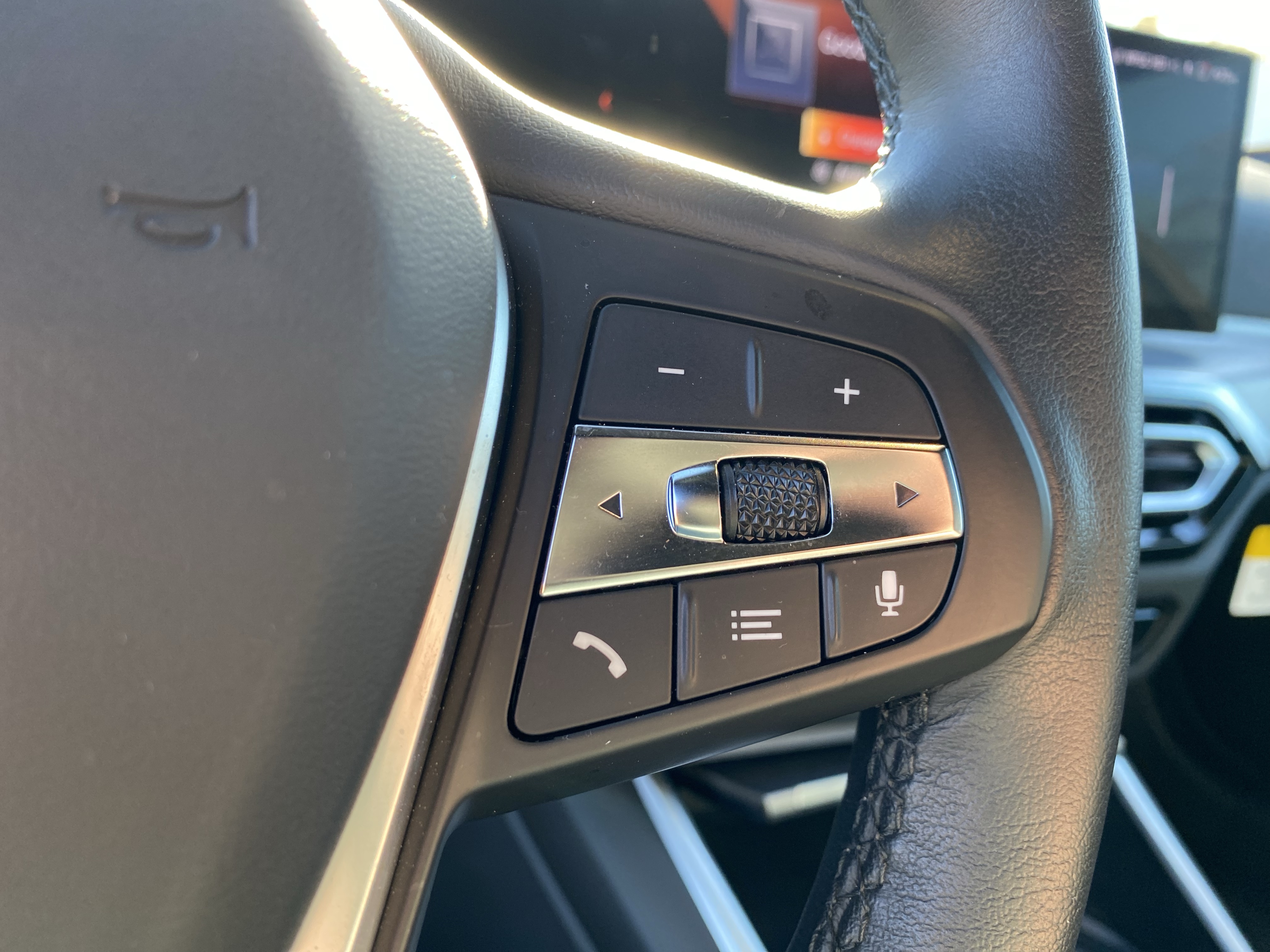
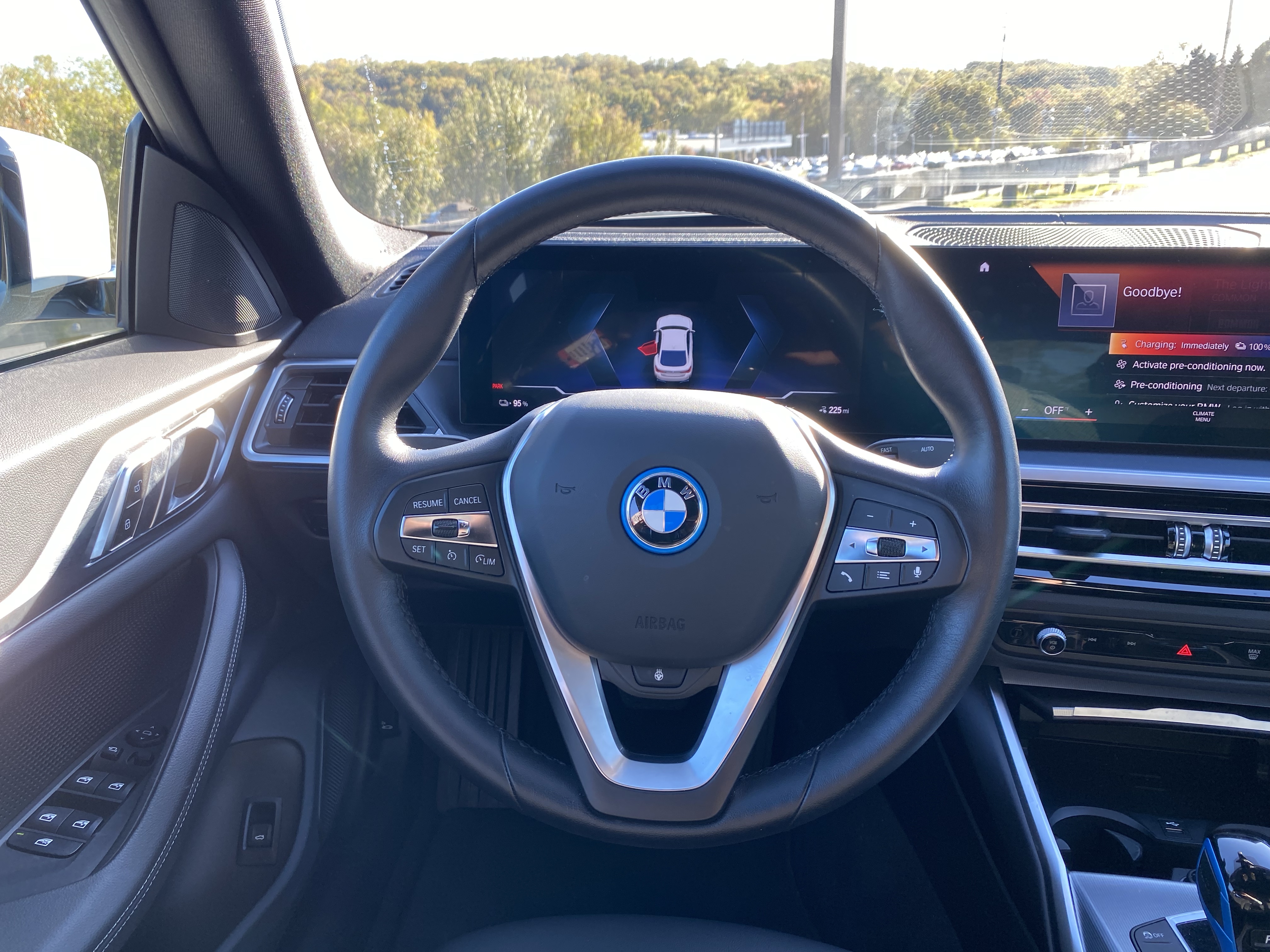
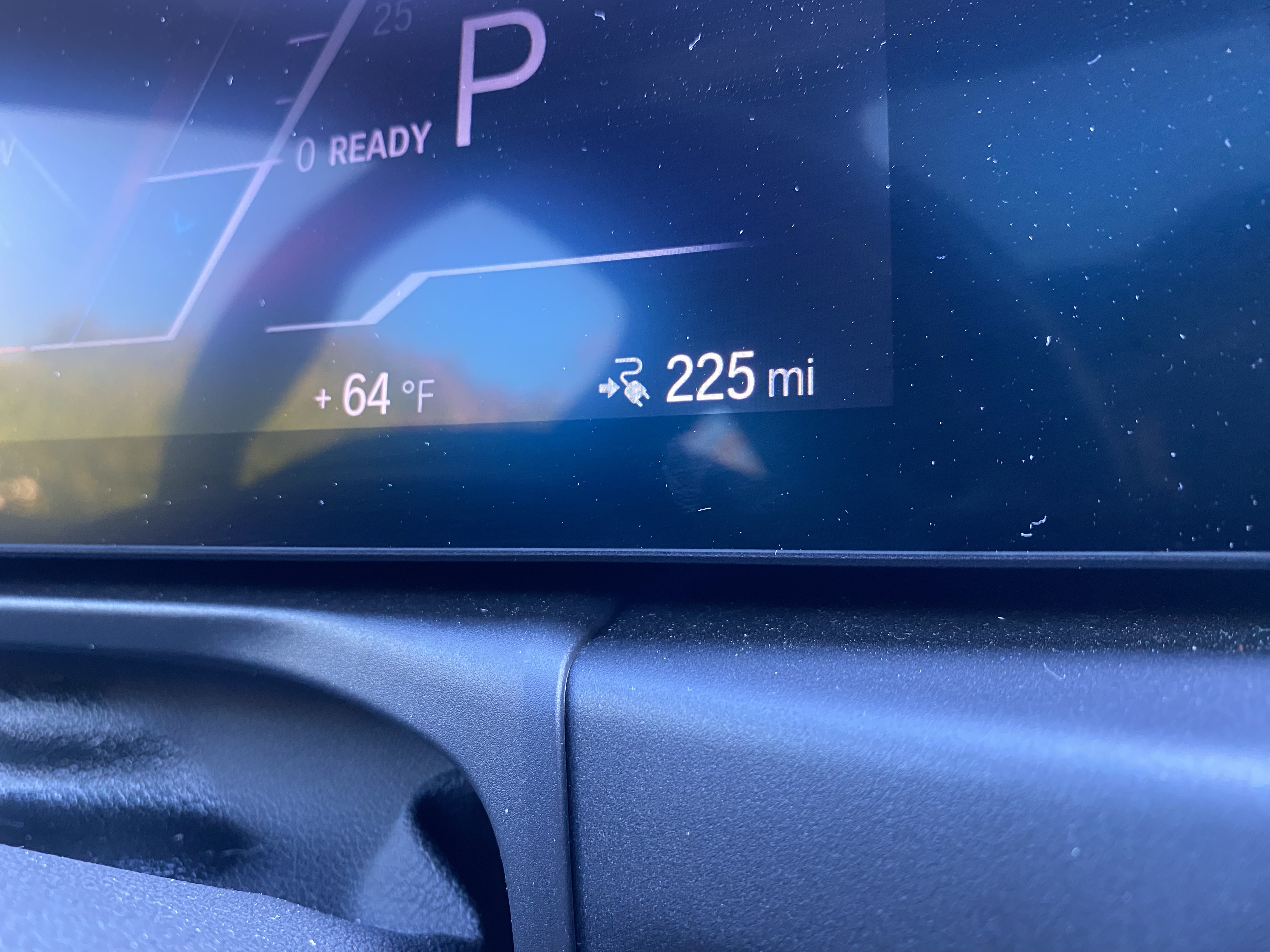

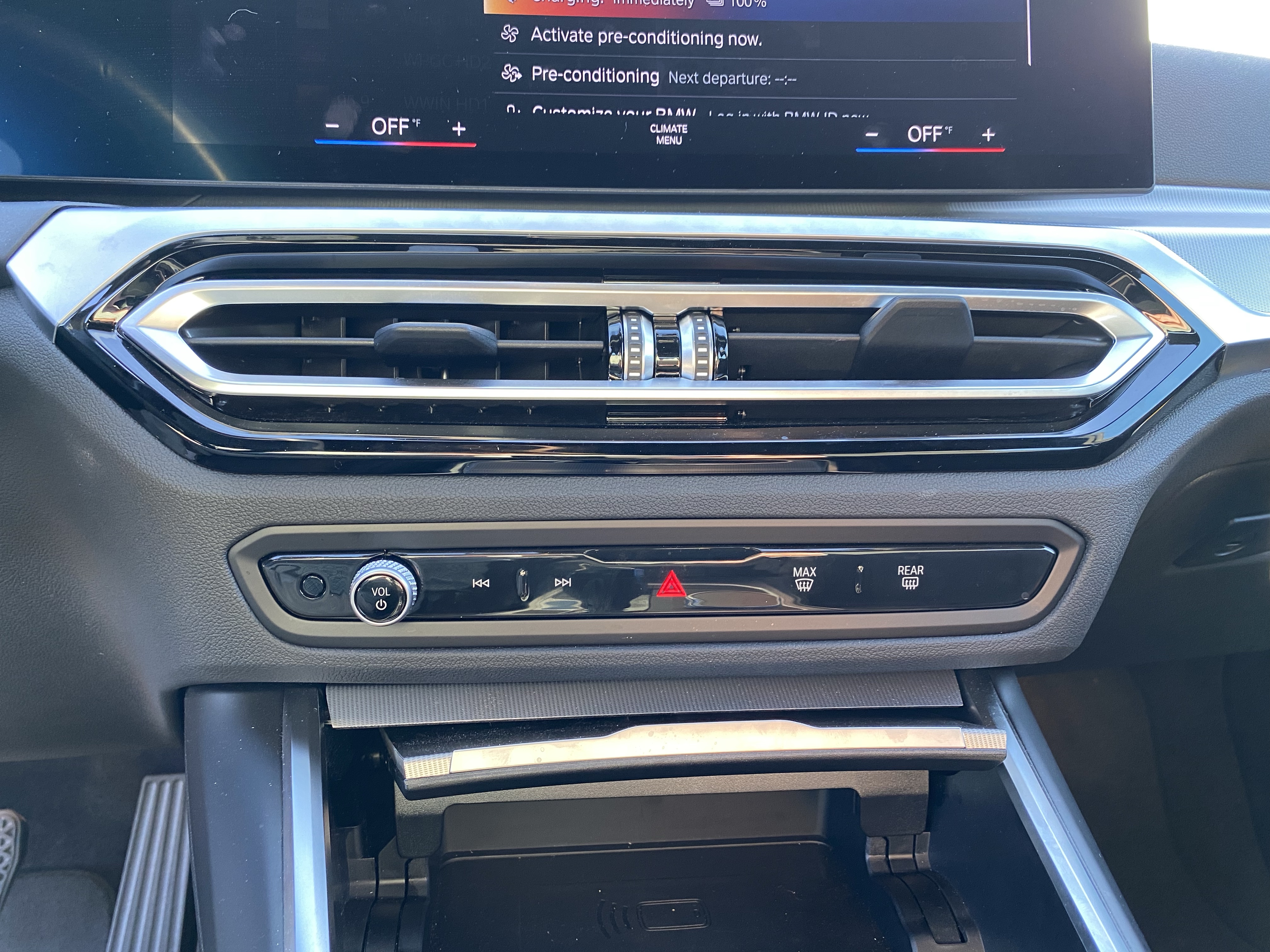

The starting price for the BMW i4, in the i40 trim, is $51,400 MSRP. For that, you get an 83.9kwh battery that produces 335hp and 317lb of torque. This is mated to a single-speed transmission that speeds the car from 0-60 in 5.5 seconds, and onto a top speed of 118mph. The EPA suggested range of the i4 is 301 miles, although most sources that have done more through tests than men have reported closer to 280 miles on a single charge.
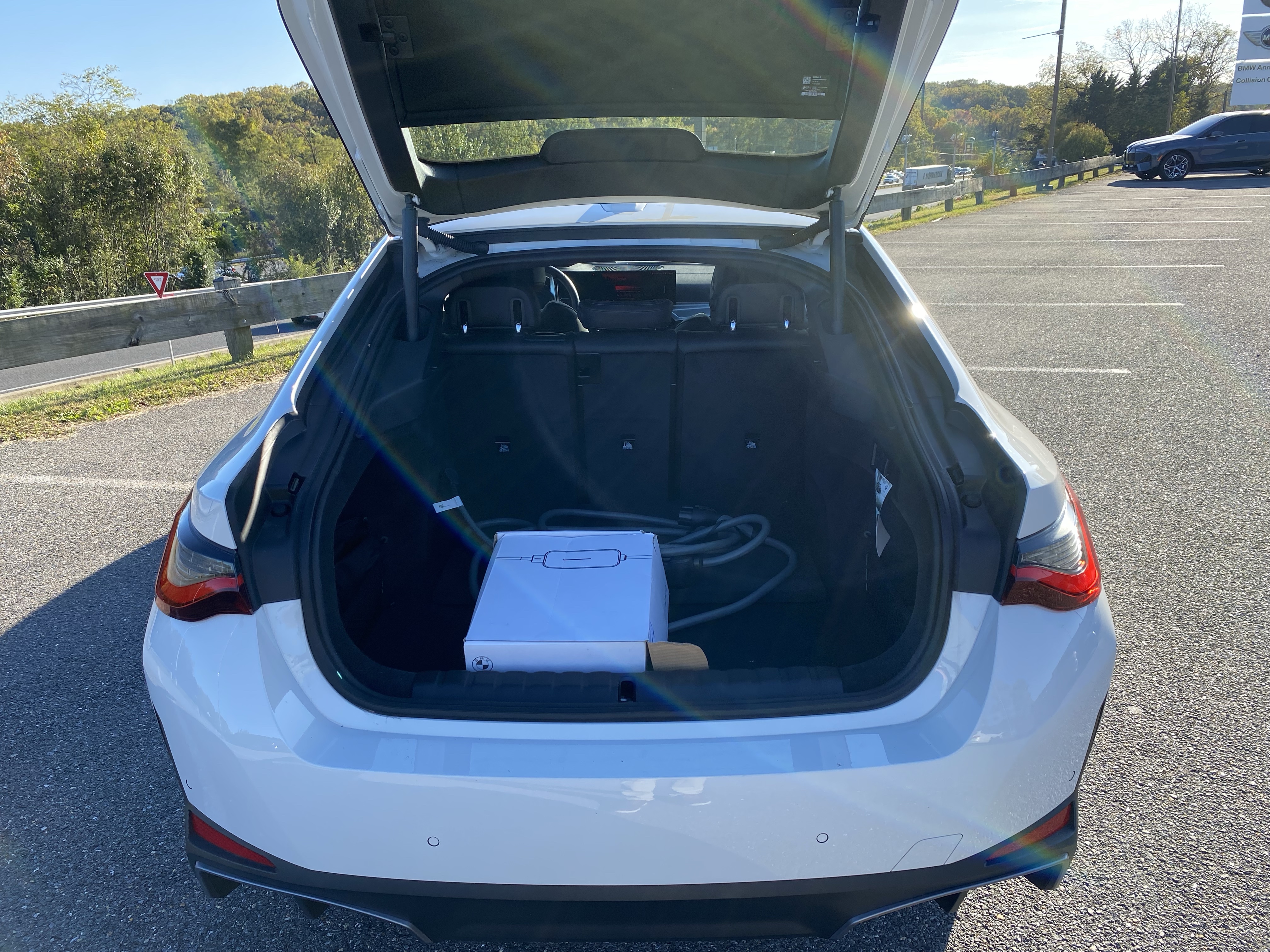
This is the first BMW I have ever driven with soft suspension. This car does not ride hard at all, in fact, it almost airs on the side of mushy. My assumption is that due to the extra weight of the batteries, BMW had to screw around with the suspension in order for it not to seem extra heavy. As do most companies that do the standard “EV on an existing platform” approach. Still, the seats aren’t super supportive and still give you a little backache when traveling longer distances, so the BMW ride quality issues aren’t completely fixed. They’re remedied enough to make it more bearable. You still get that EV instant acceleration in this car, and while it isn’t anything close to mind-blowing, it is fun to throw your foot down and feel your head hit the headrest. The regenerative braking system is also very tolerable, feeling in between a Tesla and a Volvo C40 if we’re going by harshness. Also, please don’t be upset that I forgot to take a picture of the charging port. I blame this on the space under the hood looking like an engine instead of a drunk, which threw me off guard.

The i4 is a great example of a car that is so similar to its gas-powered brother that owning one doesn’t seem too foreign or risky. You couldn’t tell them apart unless you really tried, and with the exception of the ride quality and acceleration, you couldn’t tell them apart while driving as well. If you want an EV that acts like a 4cyl, this is the car for you.
Huge thank you to John of BMW/Mini Annapolis for letting me come down and drive the i4. They have a great selection of new and pre-owned cars from i3’s to V12 7-series’. Click here to view their website.


 Zander Drives Cars
Leave a comment