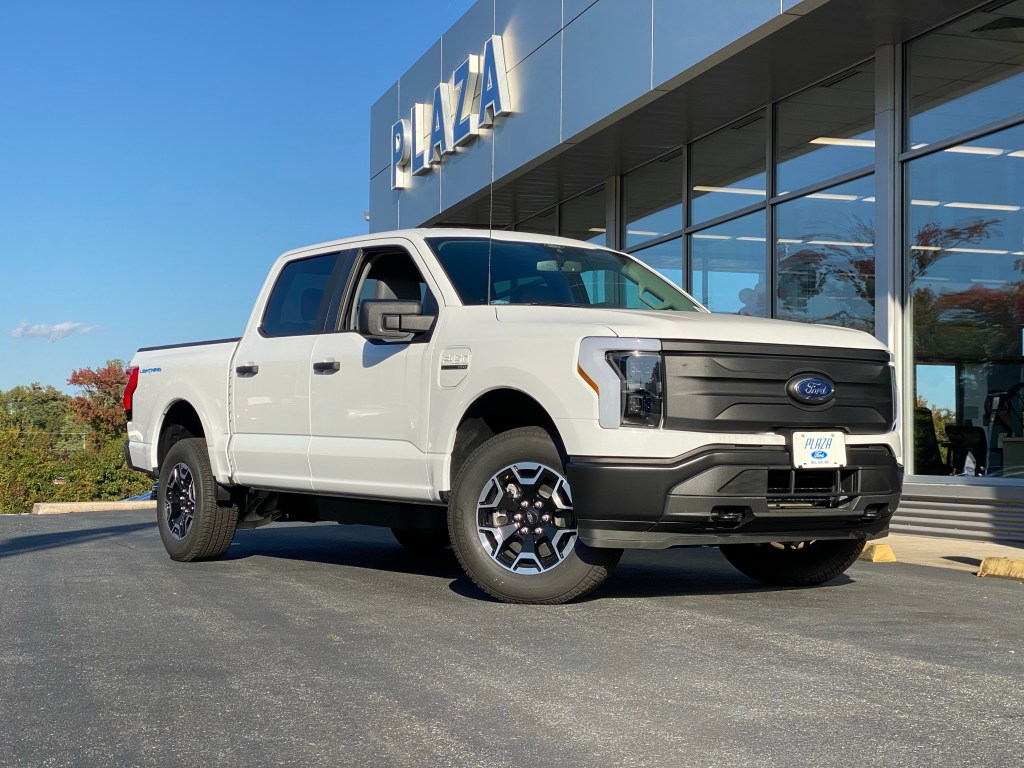
The cars that people buy in mass numbers are the hardest cars to electrify. There is a very good reason why cars like the Toyota Corolla while having a hybrid variant, don’t have a full EV version. It is a very simple “if it ain’t broke don’t fix it” mentality. So, imagine the shockwave that occurred when Ford announced that the F-150, the best-selling vehicle in the US for over thirty years, would get an EV equivalent. Actually, you don’t have to imagine this shockwave, because you can still feel it reeling in the media. The F-150 Lightning is both the most important, and most controversial car of the year. Now, look, I am not going to get hugely into the politics of an electric pickup truck, plenty of people on Twitter have, so if you want opinions on that, go there. If you want opinions on the truck itself, you’ve come to the right place.
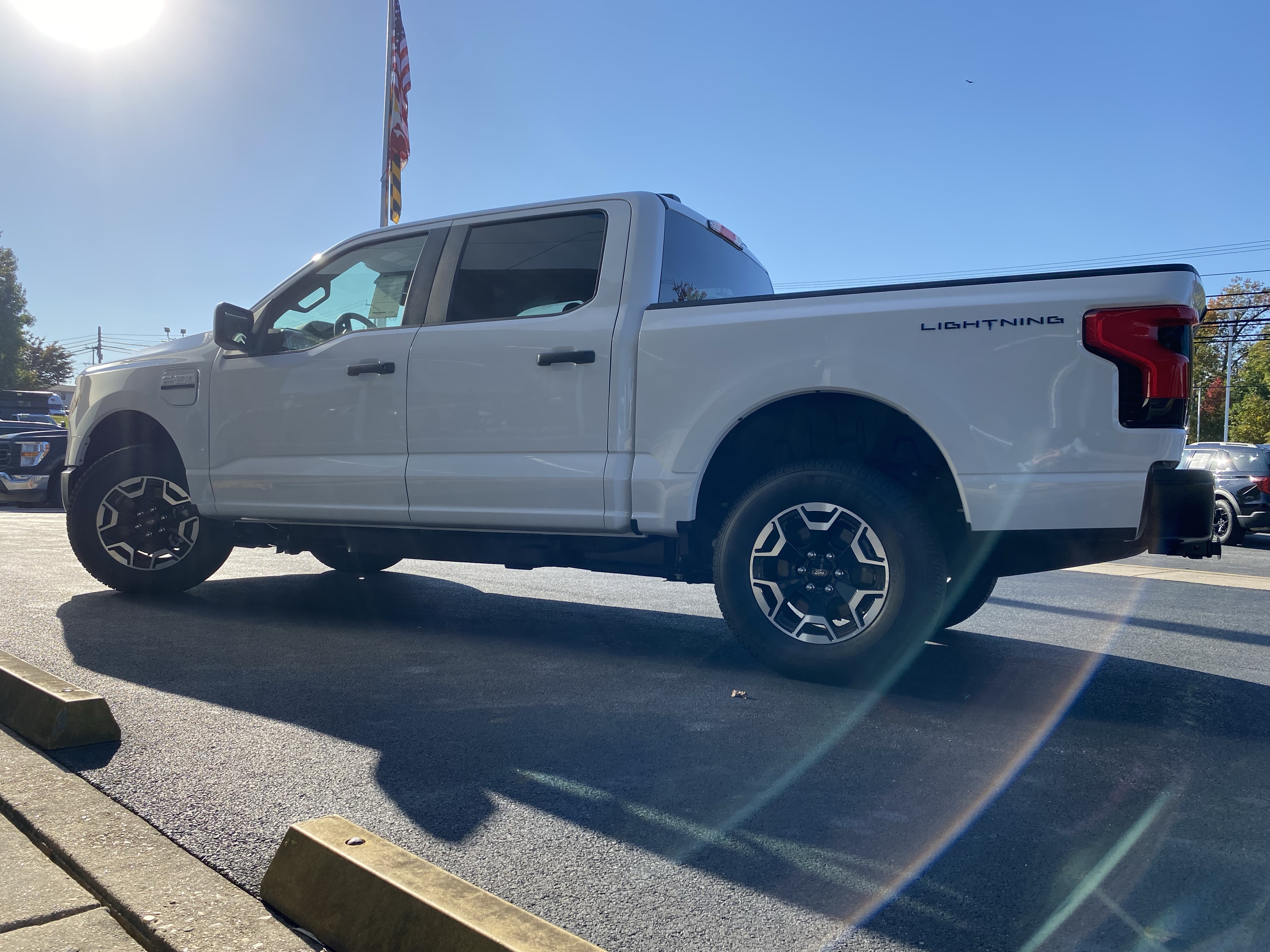
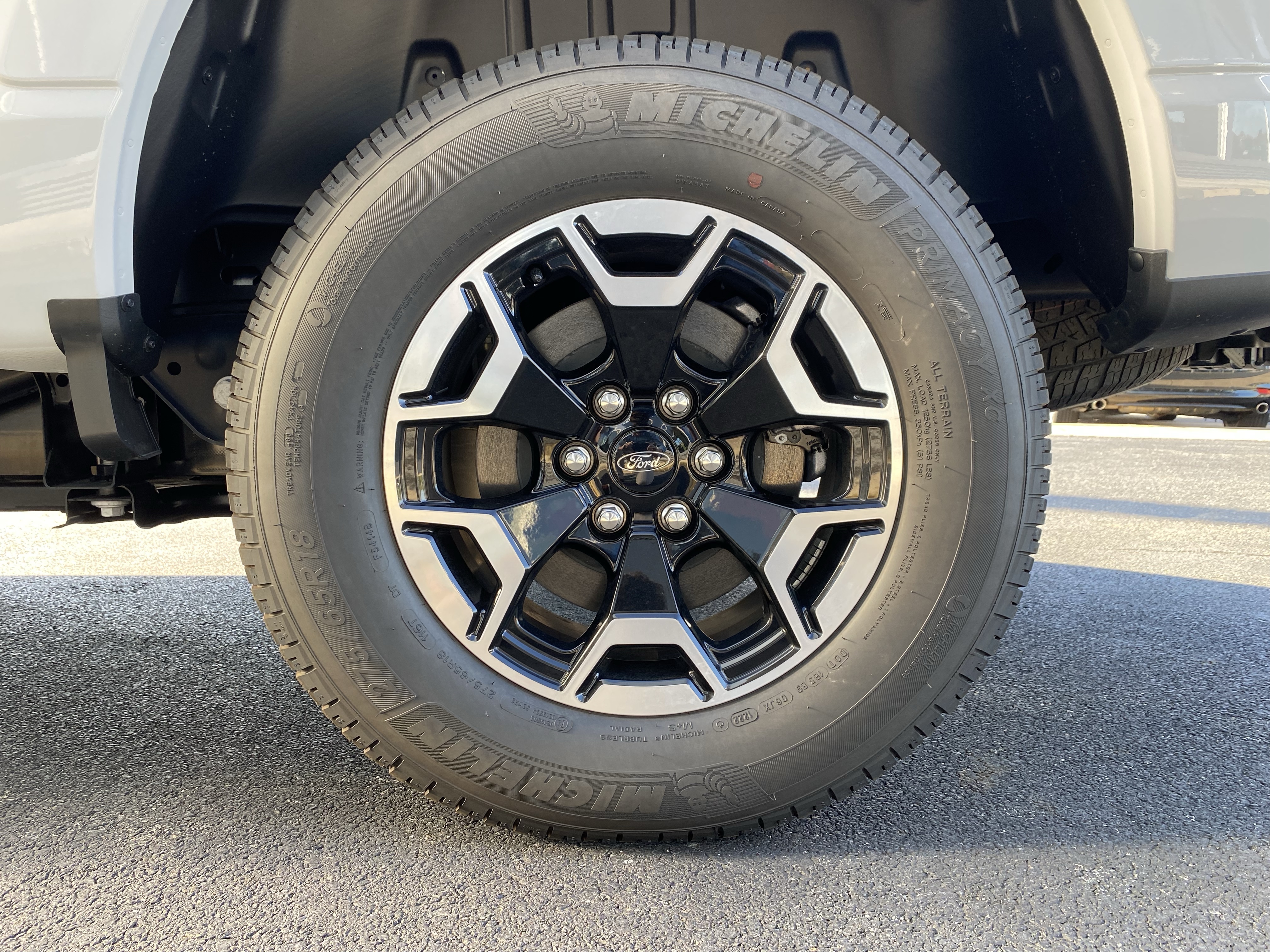
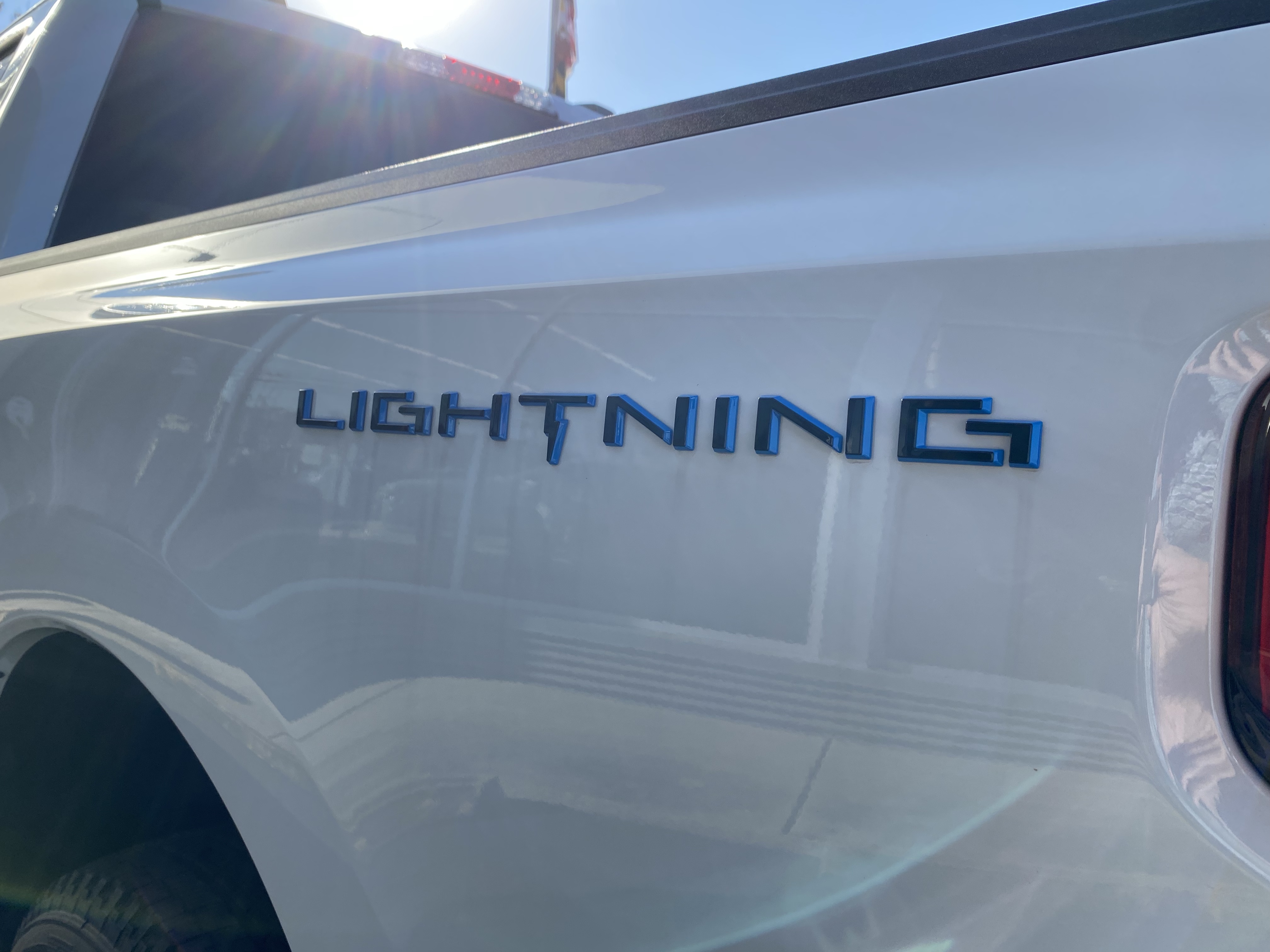
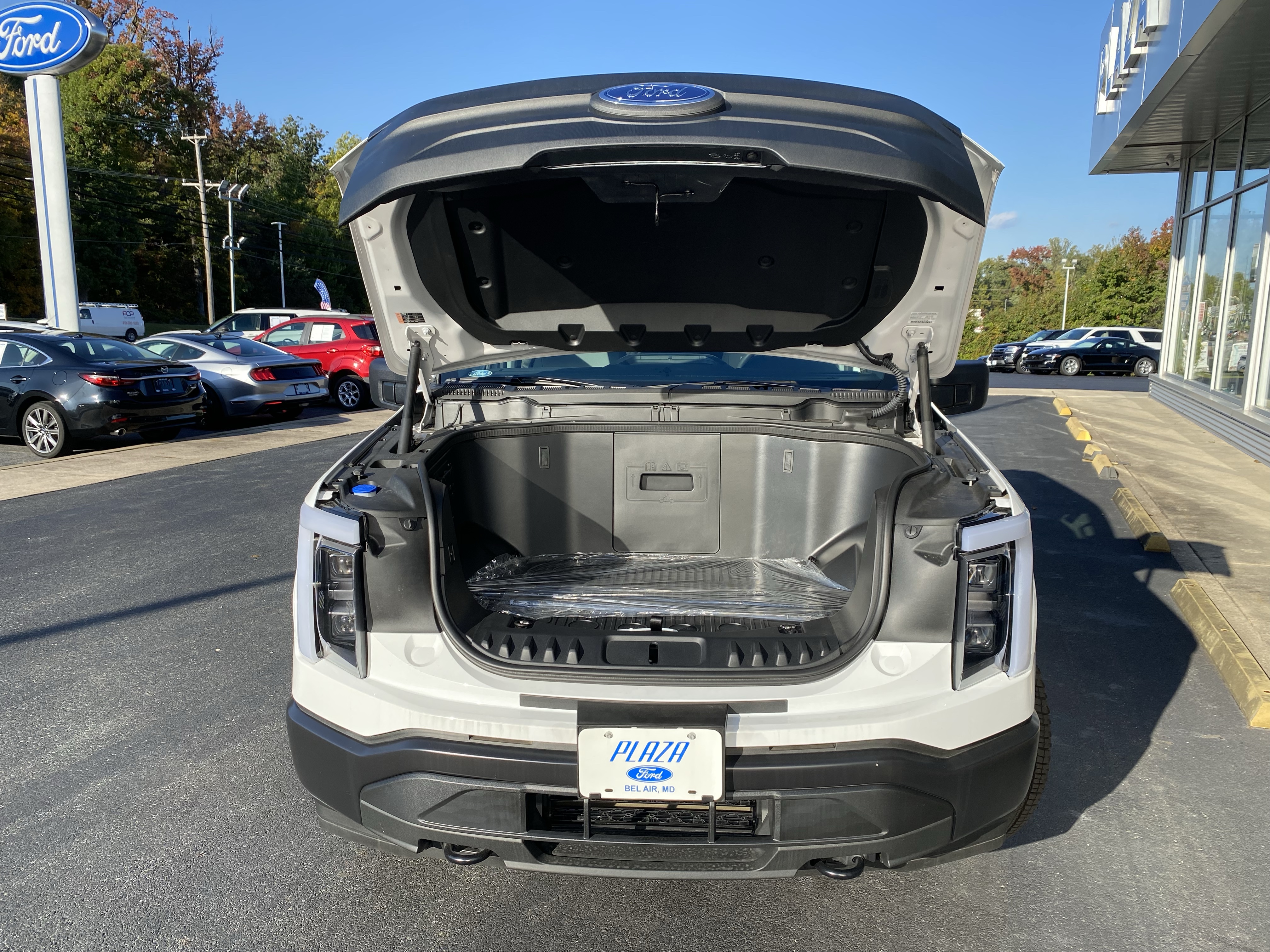
The F-150 Lightning comes in four flavors: Pro, XLT, Lariat, and Platinum. I drove the Pro, the cheapest Lightning you can buy. You’ll hear me say that this is more of a truck and less of a car throughout the article. Styling-wise, this is a standard F-150 work truck. Ford made sure that the battery powering this truck would be the only large difference between it and its gas-powered brother. With the exception of a plastic grille cover and different wheels, this looks like a base model plumbers truck and I cannot tell you how smart Ford was not to play with how this truck looks. The general design of the F-150 is one of the better pickup truck looks, in my opinion. It’s less gaudy and there isn’t as much to be offended over. Unless however, you get offended by the “Lightning” inscription on either side of the bed. If you do, good news: there’s a tiny American flag on the tailgate that’ll calm you down.
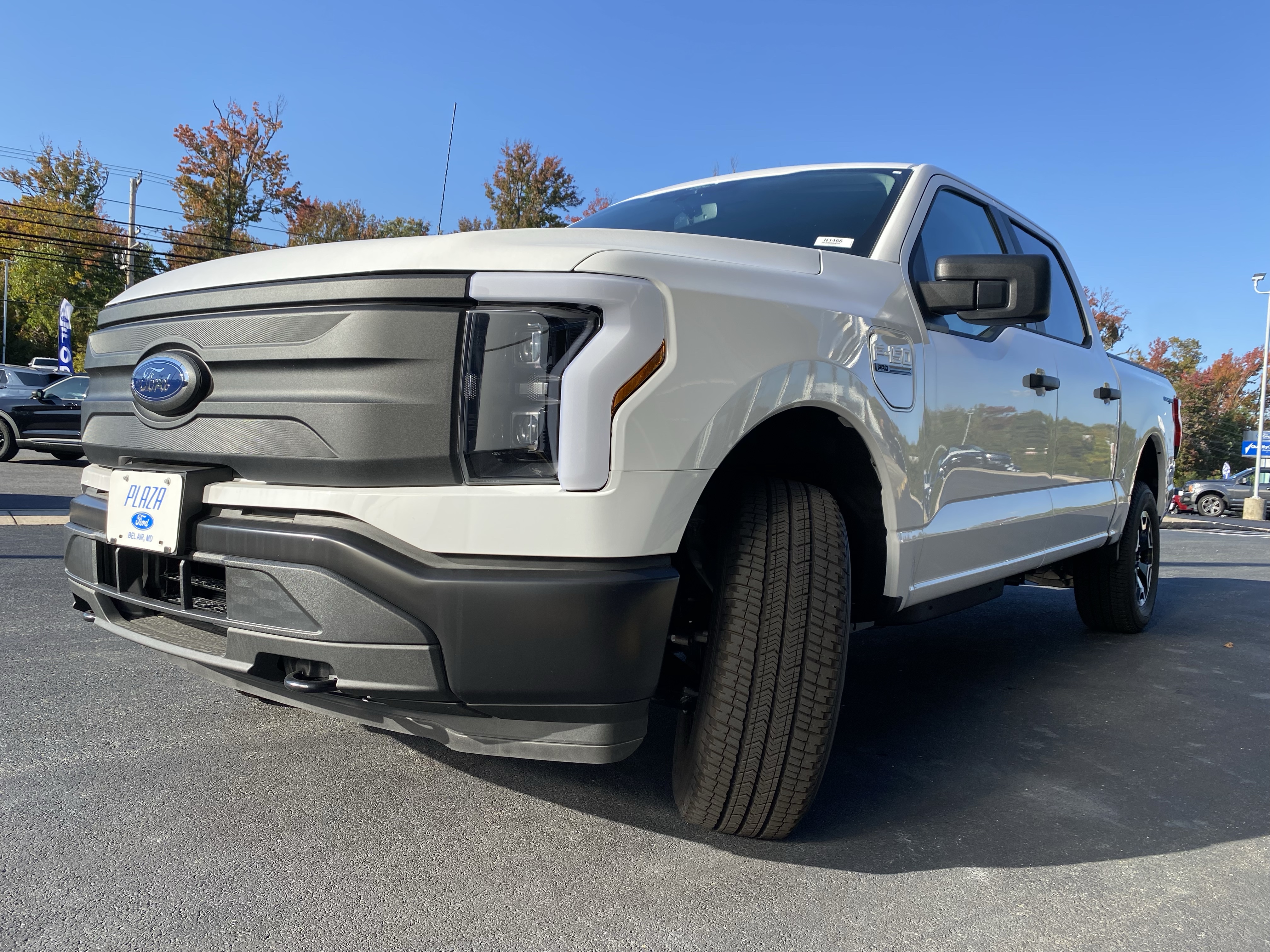
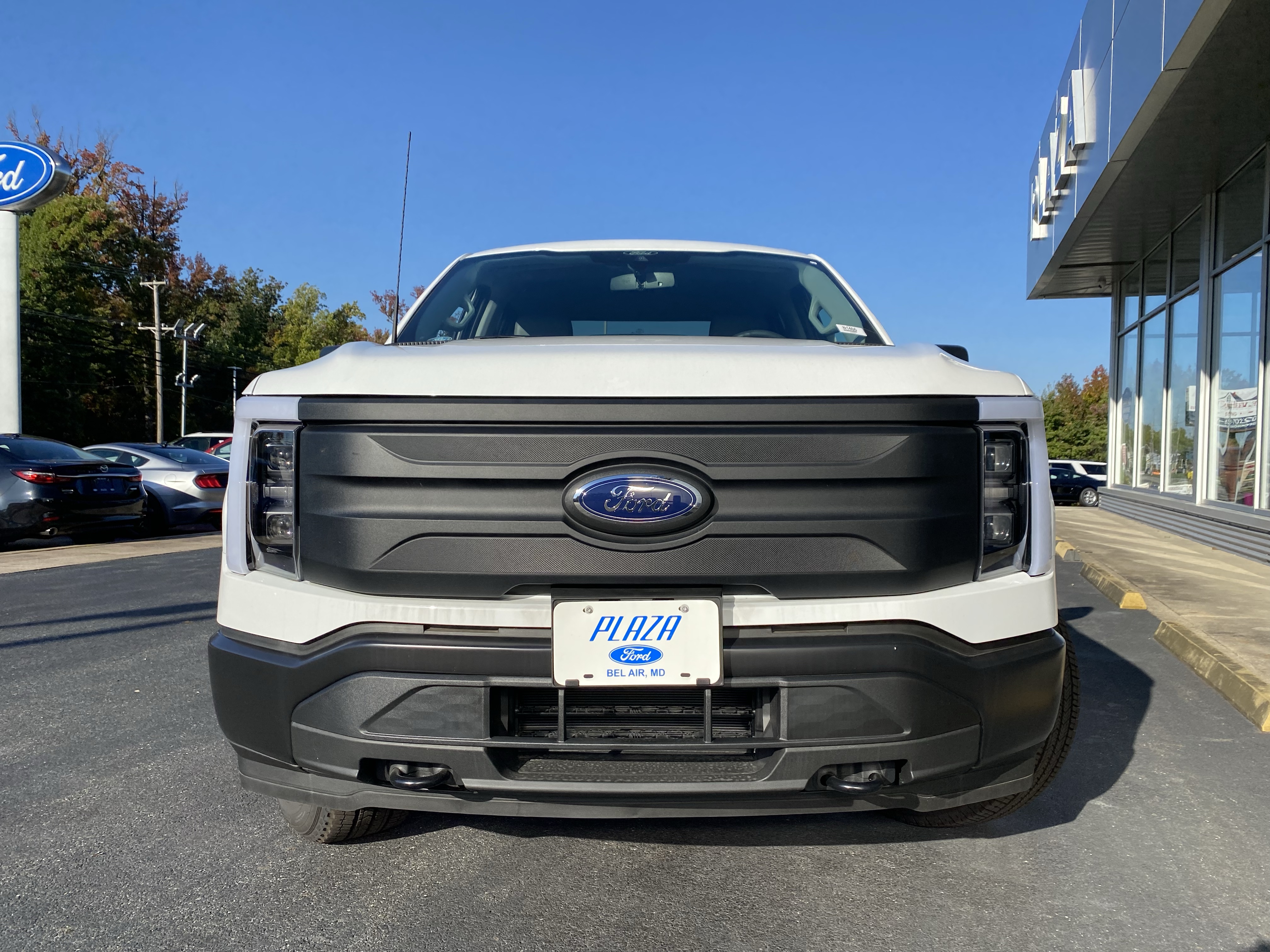
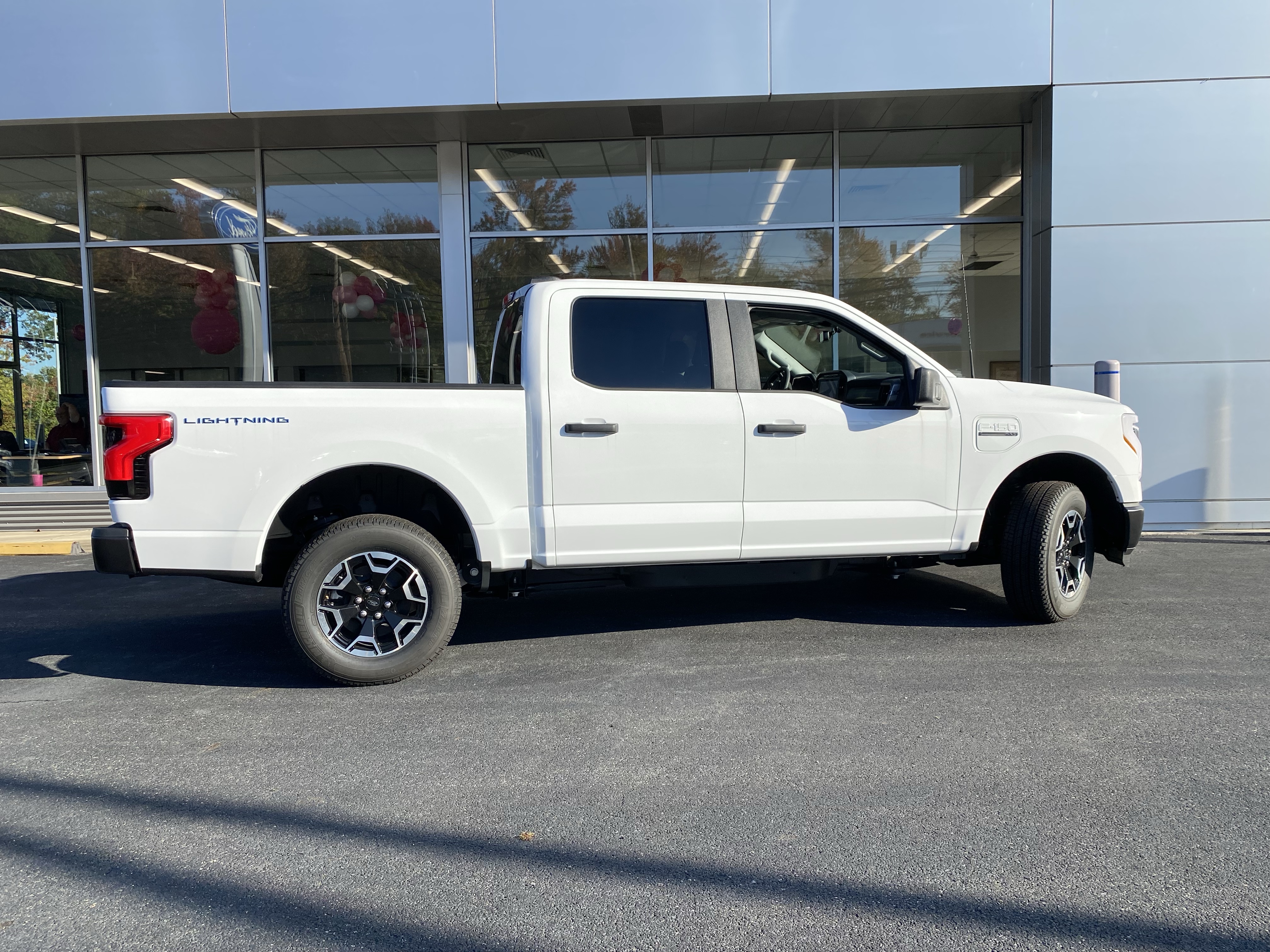



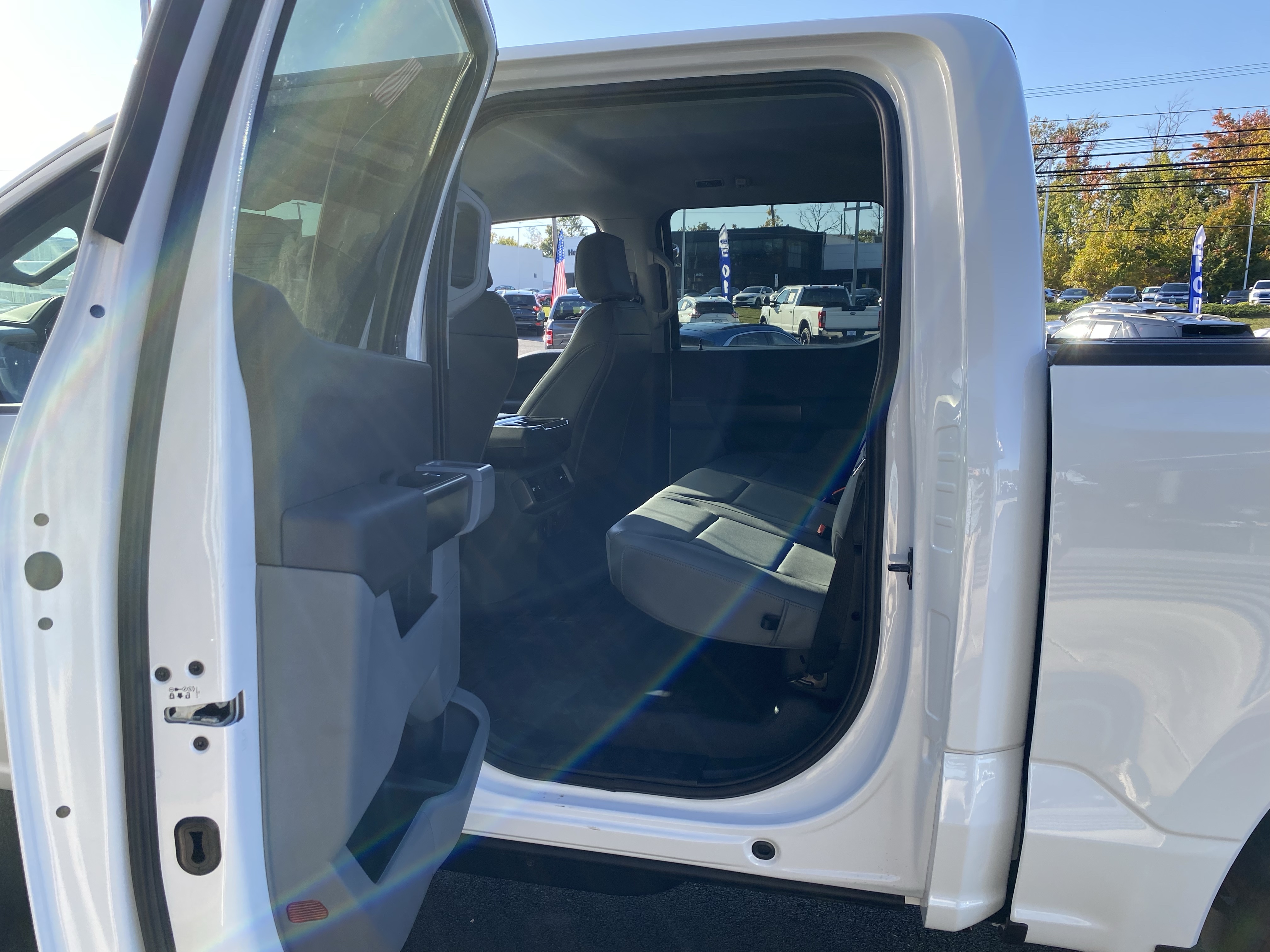
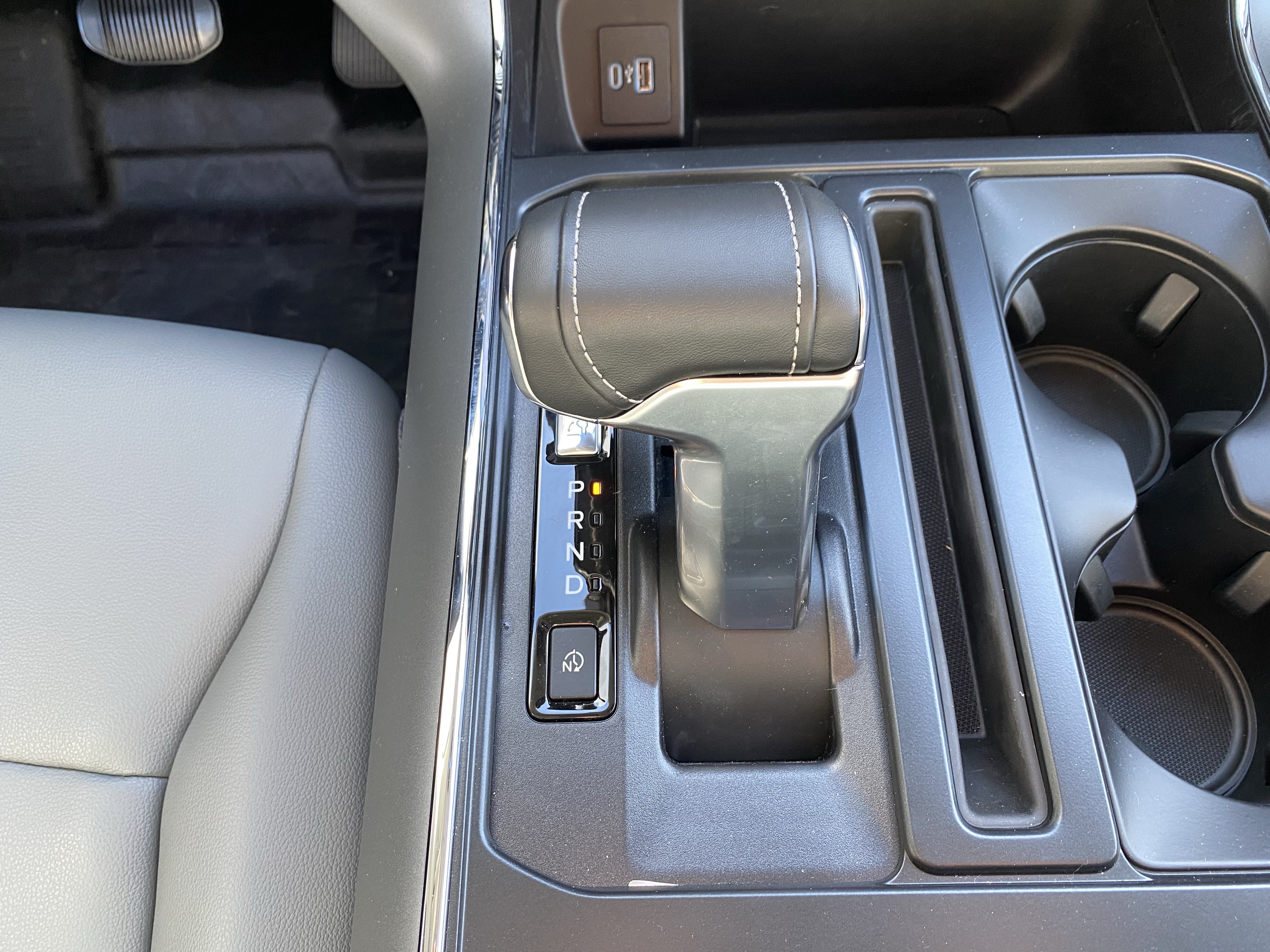
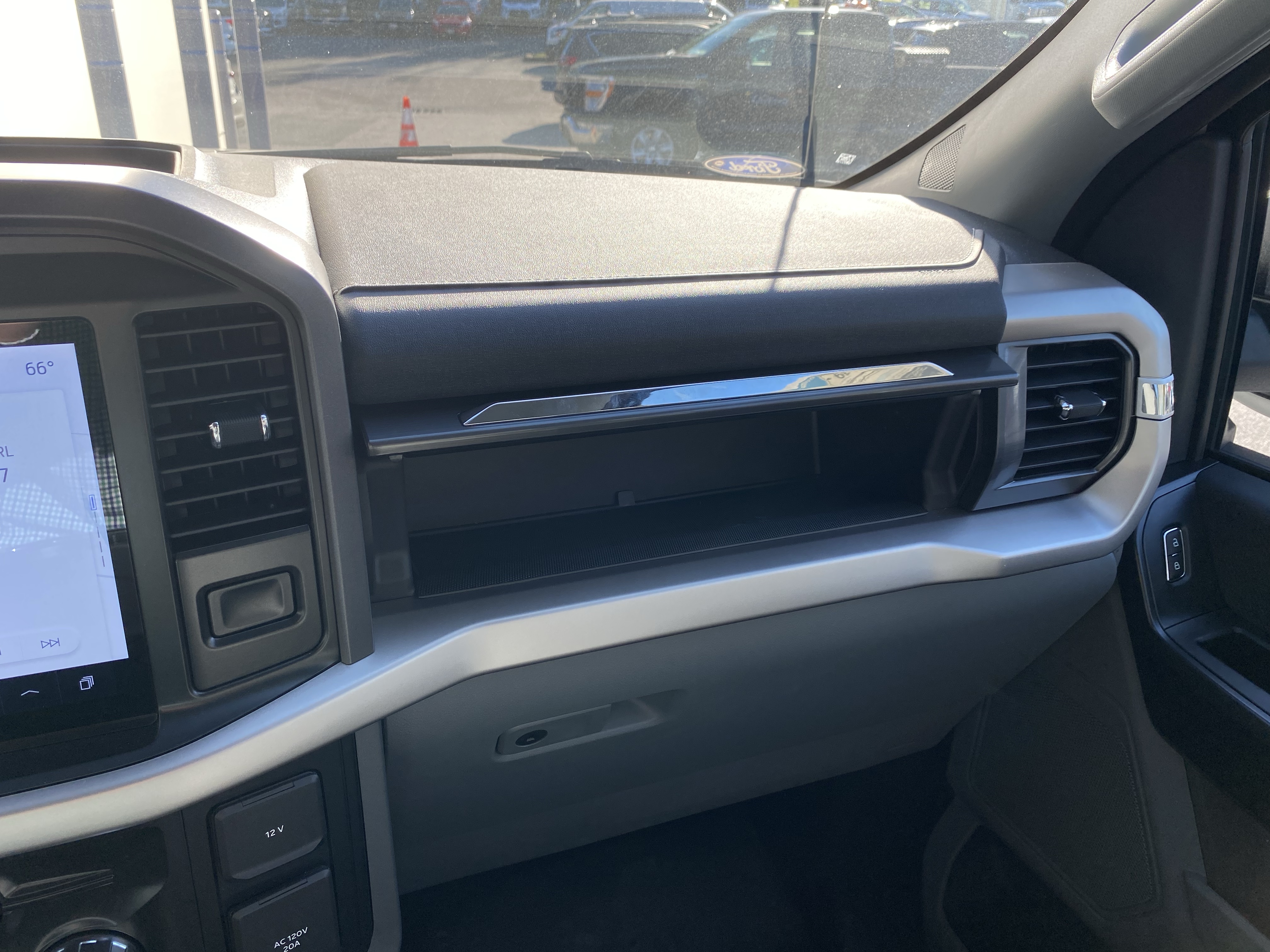
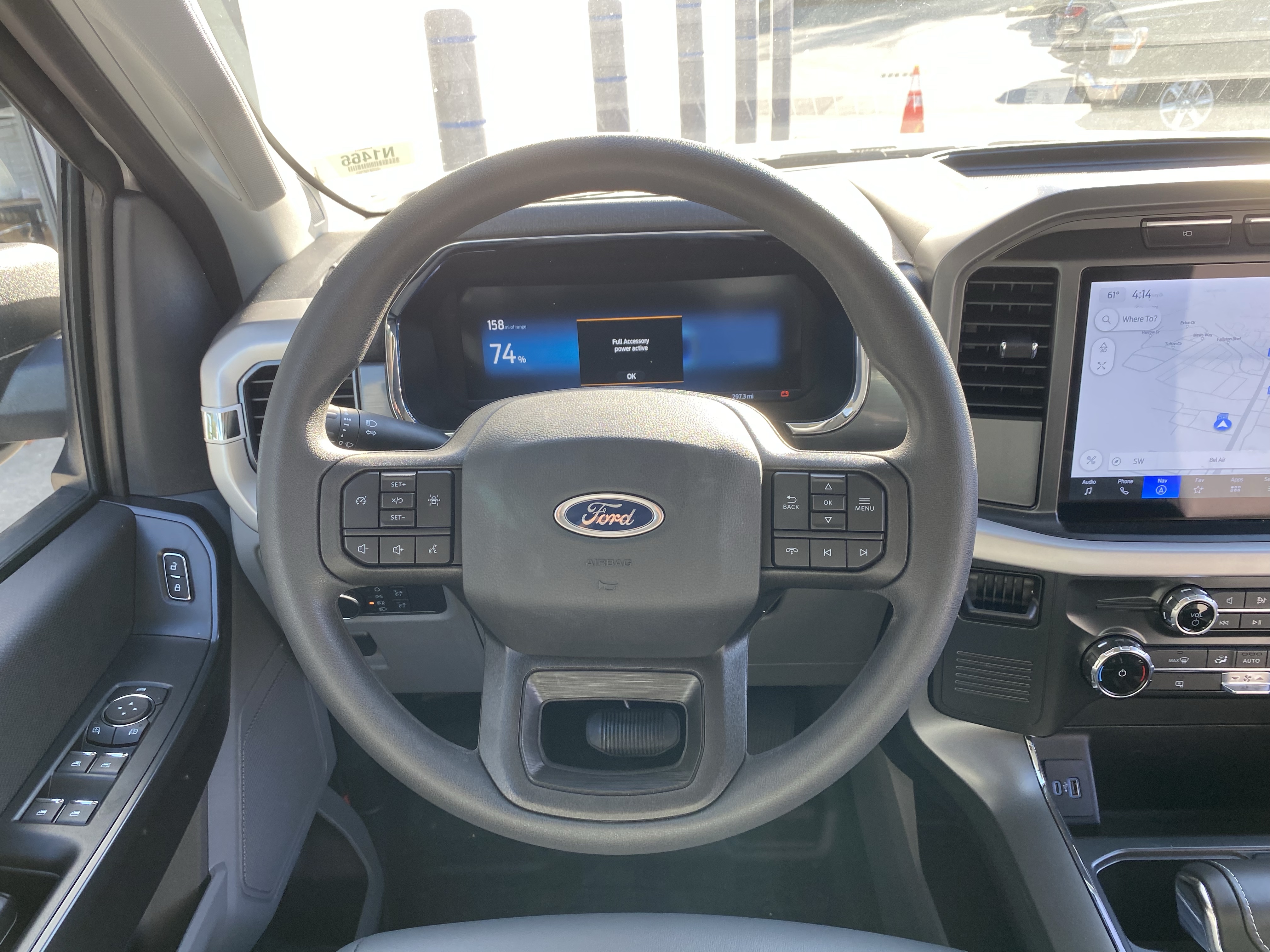
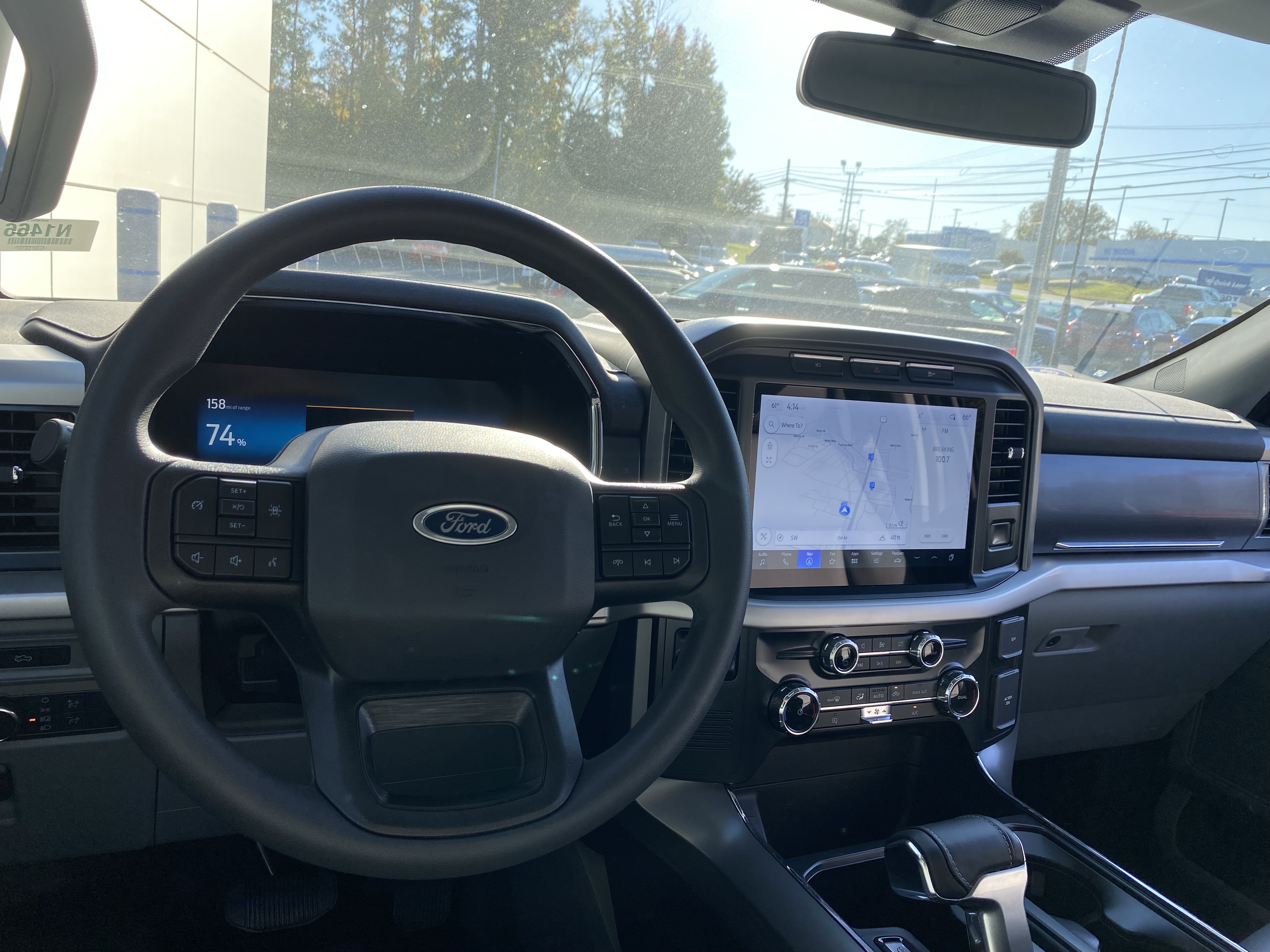
Again, this is a truck, not a car. The interior of the Pro is nearly identical to that of a base F-150. The design, materials, layout, buttons, seats, all of it is the same. The only large difference I could find between this and a gasoline F-150 is the inclusion of a fully digital driver’s display screen being offered as standard. Because this is just a base F-150, you won’t find hides of high-quality leather or brushed metals. However, the plastics offered aren’t too egregious, and Ford has done a good job making its interiors look and feel nicer than other trucks in its class. One of my favorite parts of the interior is the storage space on the passenger side of the dashboard. Press a button located underneath an air vent, and bam: extra glove box. Other neat interior features include the now iconic “shifter collapse button,” which for those of you who don’t know, is a button located next to the shifter that folds it down flush with the center console. This is now standard across the F-150 range and works well with the optional workspace package that this Pro, unfortunately, didn’t have. The only main drawback I see from this cabin is that there aren’t electric seats, which, again, I know it’s a work truck, but at the price point should at least be noted.
Out of the 20 or so cars I have driven for this website, the F-150 has the most amount of legroom I have ever experienced. Yes, this was more spacious than the Suburban I drove back in August. You could fully lay down anywhere in this cabin and have enough space to fit another individual back there. Maybe even two if you’re that type of person.
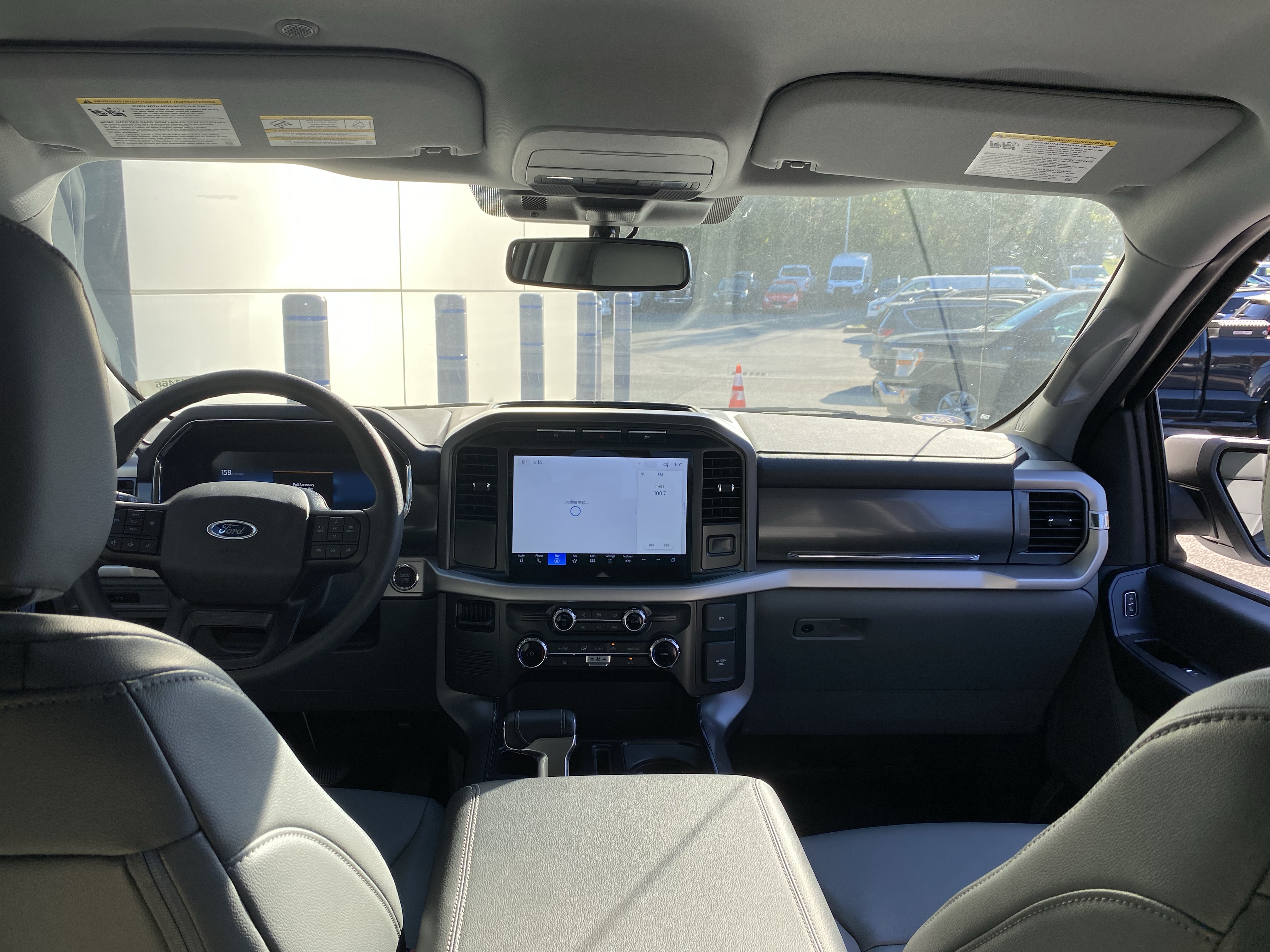



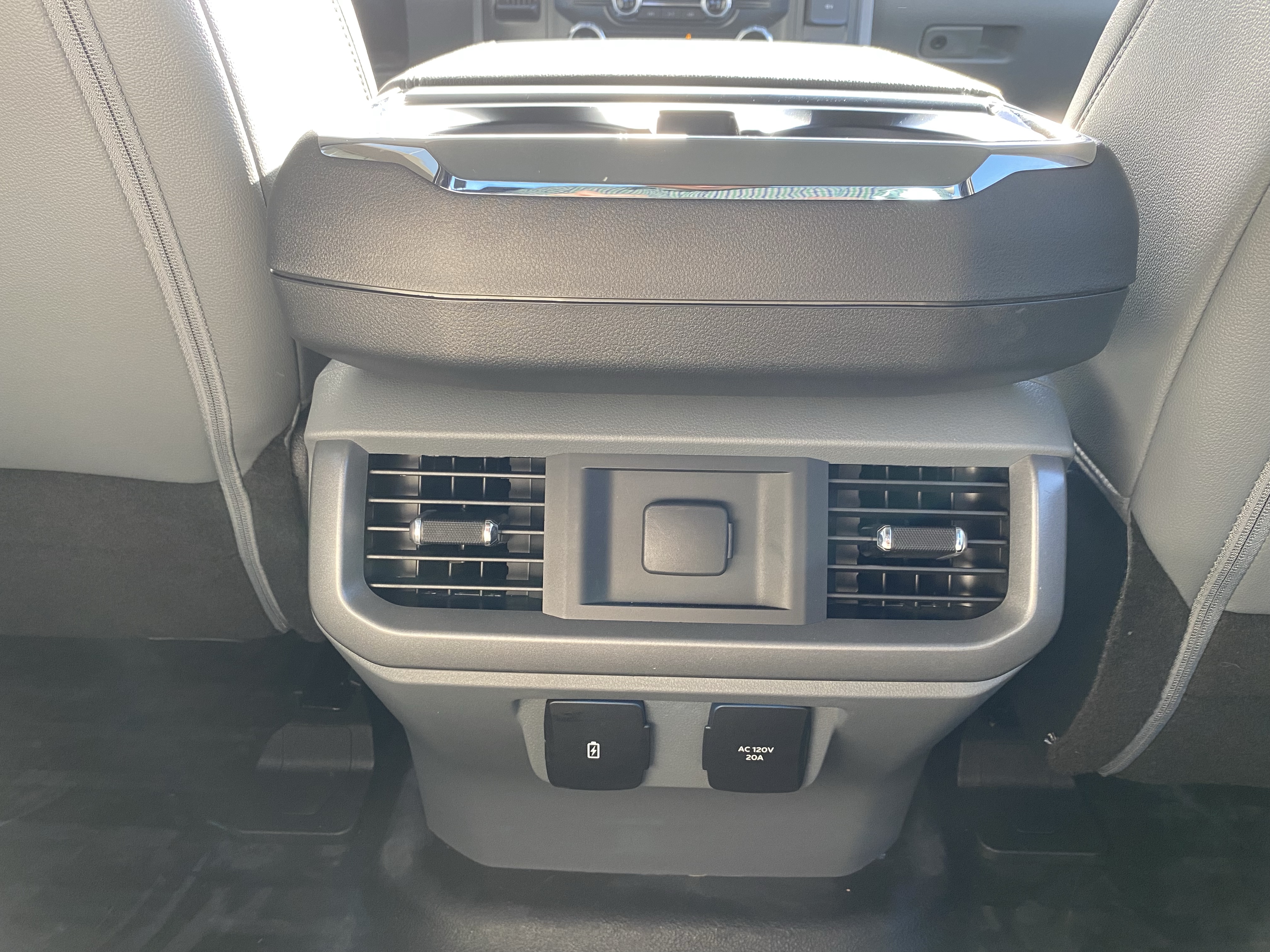

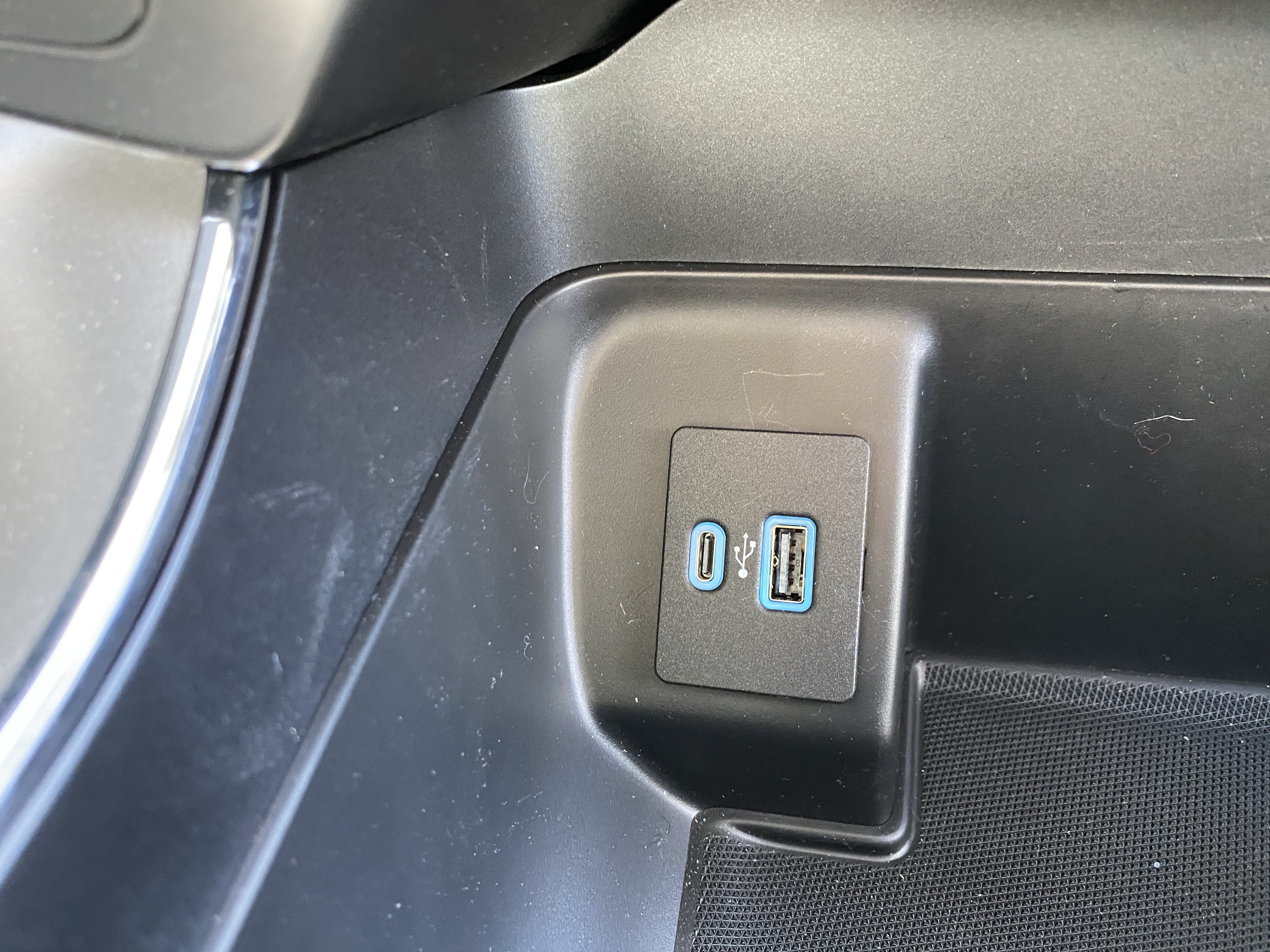
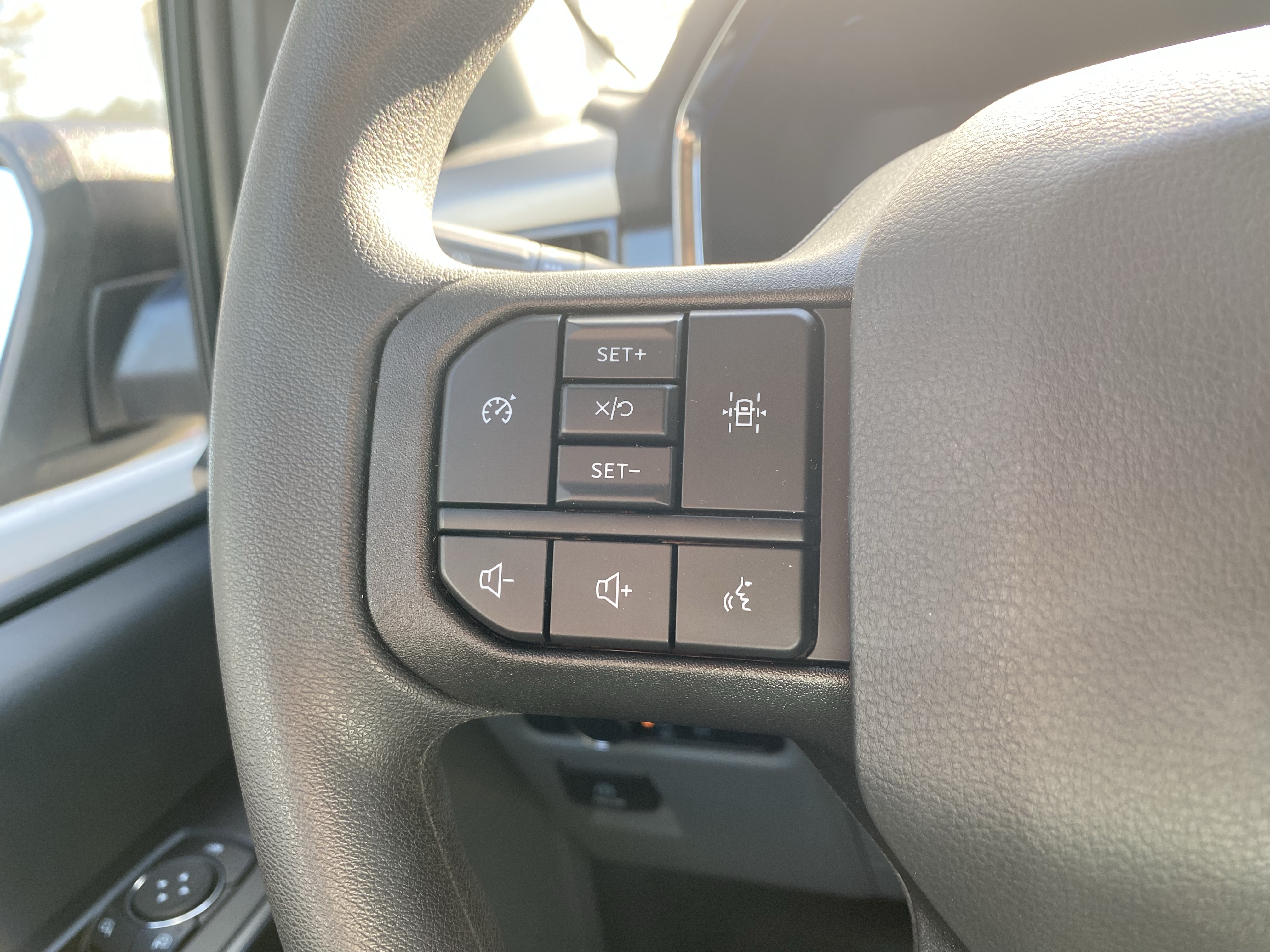
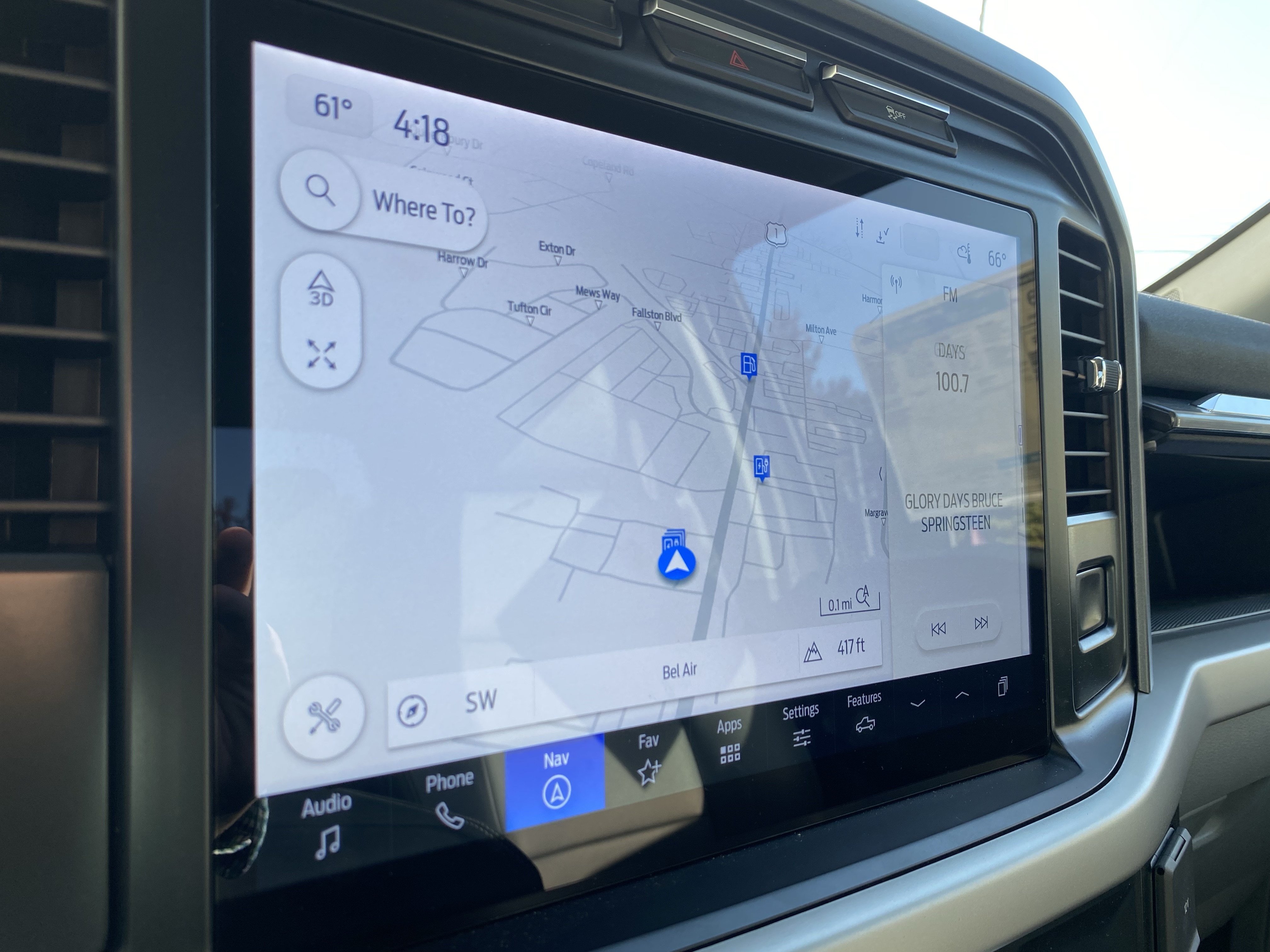
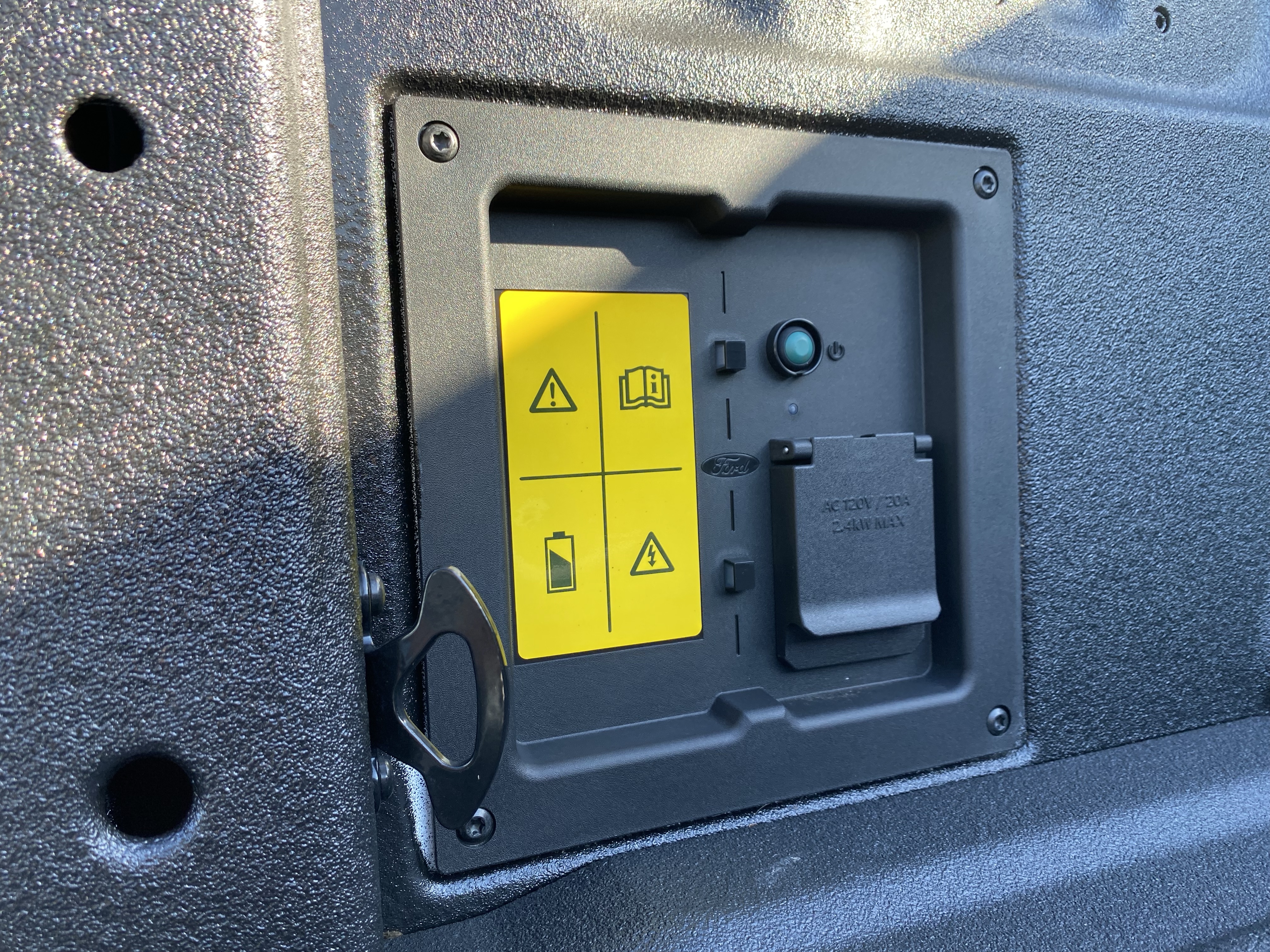
As with all-electric cars, there is plenty of tech in here to play around with. Starting off with the digital display screen, the screen is large and will display almost anything you want it to. It is easy to configure and has the ability to show multiple different applications at once. There is even a meter to show your yaw and pitch, like a 747. Ford’s Connect screen is also one of the better infotainment screens I have tested. It’s responsive and easy to navigate, while not being super basic. The size of the screen in the base model is 12”, which is about as large as screens can get before they become distractions in my book. The Pro also comes with Ford’s Co-Pilot 360 system which gives the truck a blind spot monitoring system with cross-traffic alerts, a lane-keeping system, a pre-collision warning system and assists, as well as an emergency brake function. Other features of the Pro include Bluetooth with CarPlay and Android Auto support, dual-zone climate controls, a multitude of outlets that include USB-A, USB-C, 12-volt, and 120-volt outlets. In fact, there are 11 total outlets located throughout the cabin of the Lightning. You also get cruise control, steering wheel controls, heated door mirrors, a heated windshield, and even more power outlets located in the bed.






The F-150 Lightning Pro comes with 98-kwh batteries that make 452hp and a ridiculous 775lb of torque. These batteries give you an EPA estimated range of 230 miles, with some owners reporting that the Pro will do up to 260 while doing some standard highway cruising. The towing capacity of the F-150 Lightning is 10,000lbs and that is all I’ll say about towing. Pricing for the base Pro F-150 Lightning is $51,947 according to Ford, and this is without the up to $7,500 cash-back incentive that the government will give you if you buy one, however, this relies on how much you make, what the price of the actual vehicle is, and a million other factors that make this incentive much more complicated than it has any right to be.
The Lightning is an odd car to drive. First off, it is a large truck. Don’t let anyone tell you this is “midsized,” this is large. You do get your standard EV acceleration, with the pro doing 0-60 in, well, I can’t find an exact number. Ford says “in the mid-4-second range,” with Motortrend telling me 5.5 and independent forums giving me as low a time as 3.9. So, I’ll do what I do when I can’t find an exact number and average out the highest and lowest numbers: 4.7. There you go. Regardless, this truck is quicker than it has any right to be. It is almost irresponsible and therefore scores more points with me. The lighting is the first F-150 to get a fully independent rear suspension, which should help with both the battery weight and handling. Honestly, I couldn’t feel anything special going on, but considering it kept me on the road, I’ll say it was doing a good job. I’ll say it for the third time here: this is a work truck, not a car. The Pro is bouncy and rattled on some of the backroads I took it on, but nothing abnormal enough for me to be concerned about its structural integrity. Overall, it drove like an F-150 with a tune on it and some spaceship-y noises when you accelerate and brake. On that note, the regenerative braking is there, but is less pronounced than in a Volvo or Tesla, meaning you can still use the brake pedal while driving.

I’ll restate my point from the beginning: if you need a job site truck to job you to the construction site or to exterminate some raccoons, this is a great truck. You won’t need to charge it every night, it won’t make you look like a high roller, and it’s simple enough to blend into the rest of the fleet. If you want a high-range, family hauler with bells and whistles, you should spring for the Lariat, XLT, or Platinum. This is a good truck for truck things, or not truck things because lets be honest, Moab isn’t your prerogative when you buy one of these, isn’t it?
A massive thank you to Elliot and John from Plaza Ford for letting me come down and drive the new Lightning. They are great people and have an impressive selection of new fords, including this very Lightning. Click here to view their inventory.


 Zander Drives Cars
Leave a comment