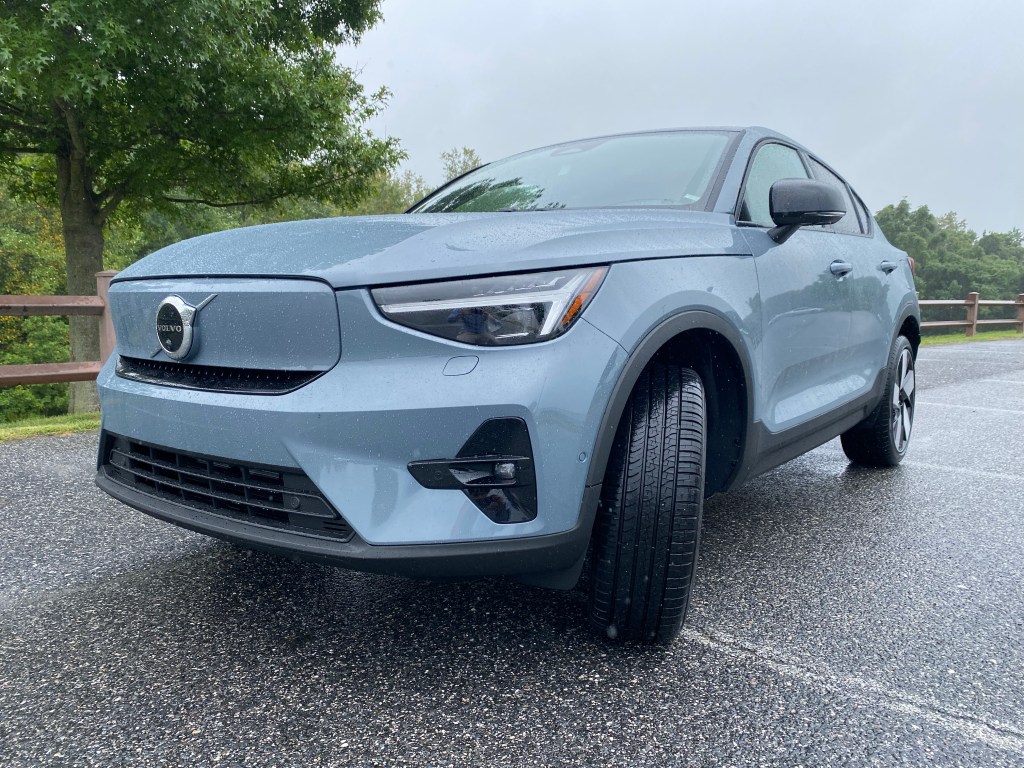
Anyone who knows me either from this website, in real life, or on Instagram knows that I have a profound love for Volvo. I own one, I talk about them, I practically dream about them. So, when I had the opportunity to drive the newest offering from the Swedish brand, I took it instantly. The C40 is the first stand-alone electric car, this meaning that there are no ICE or hybrid versions of the C40. It is all-electric, all the time. The C40 is also notable, although only to Volvo nerds, for being the first Volvo to use the “C” moniker since 2013 with the demise of the C30 and C70. The “C” stands for coupe, and while it isn’t a coupe in the most traditional definition, the term “coupe” has melted into an amalgamation of different subgenres. I digress, let’s get to the actual car.
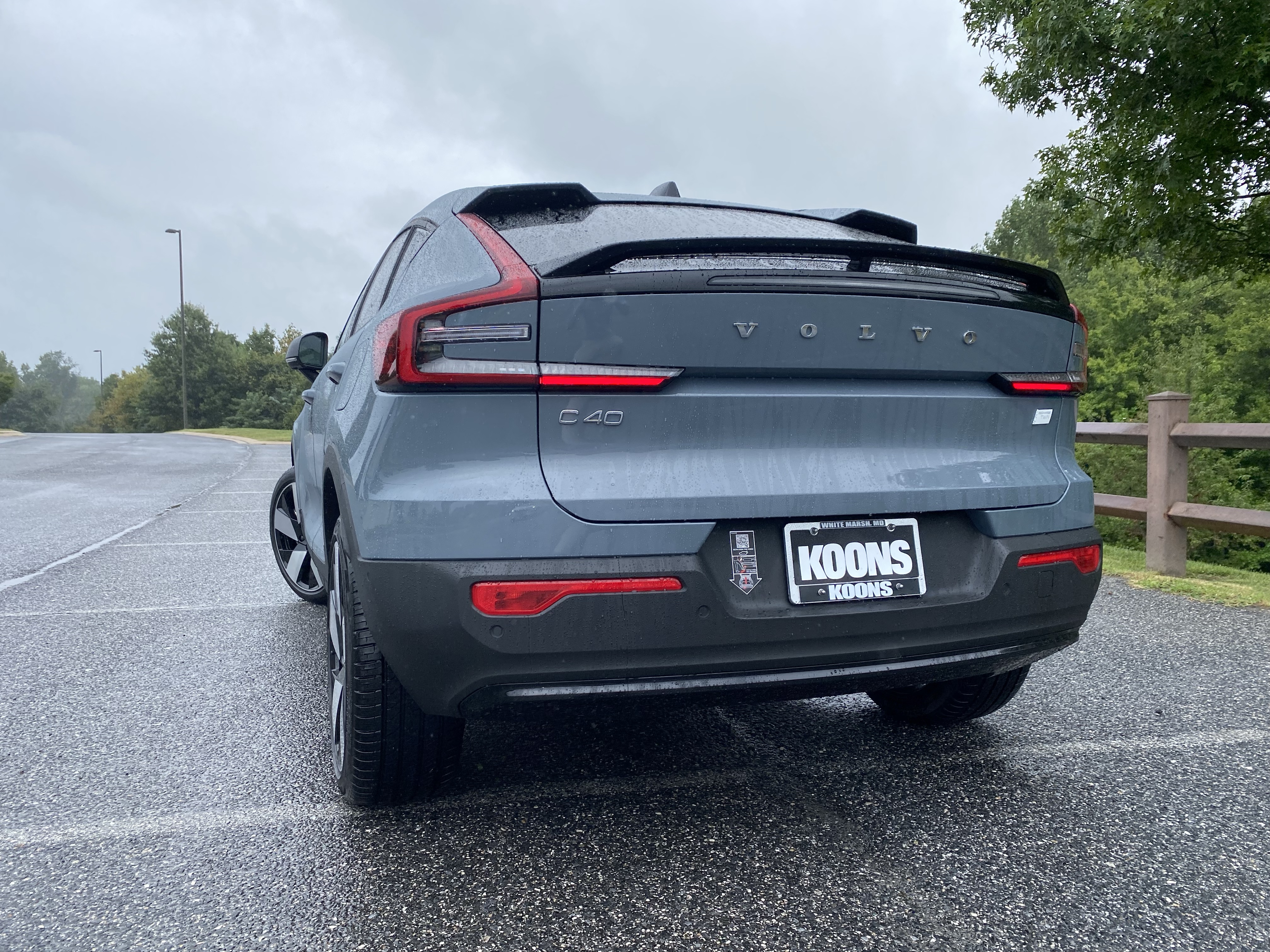
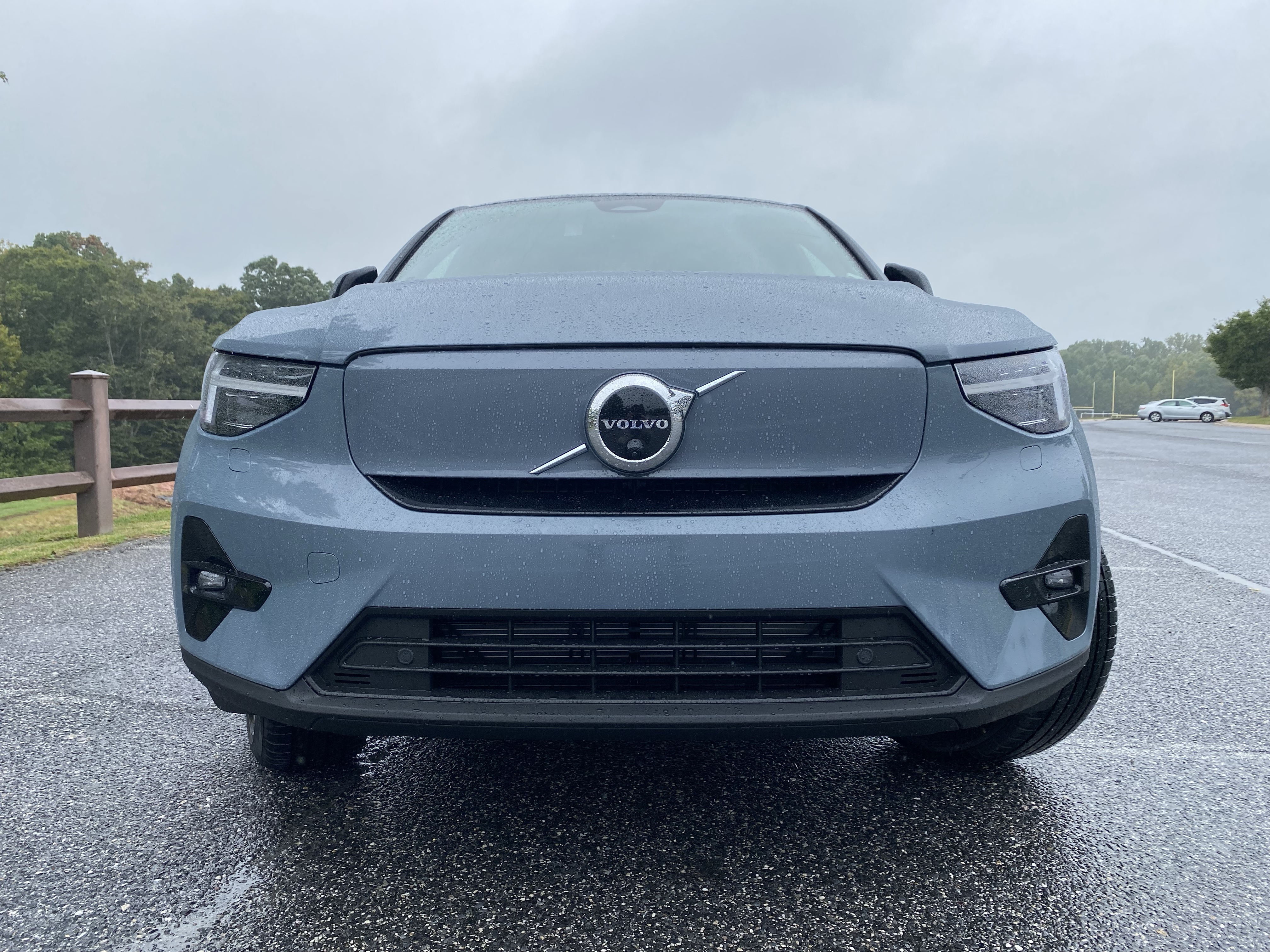
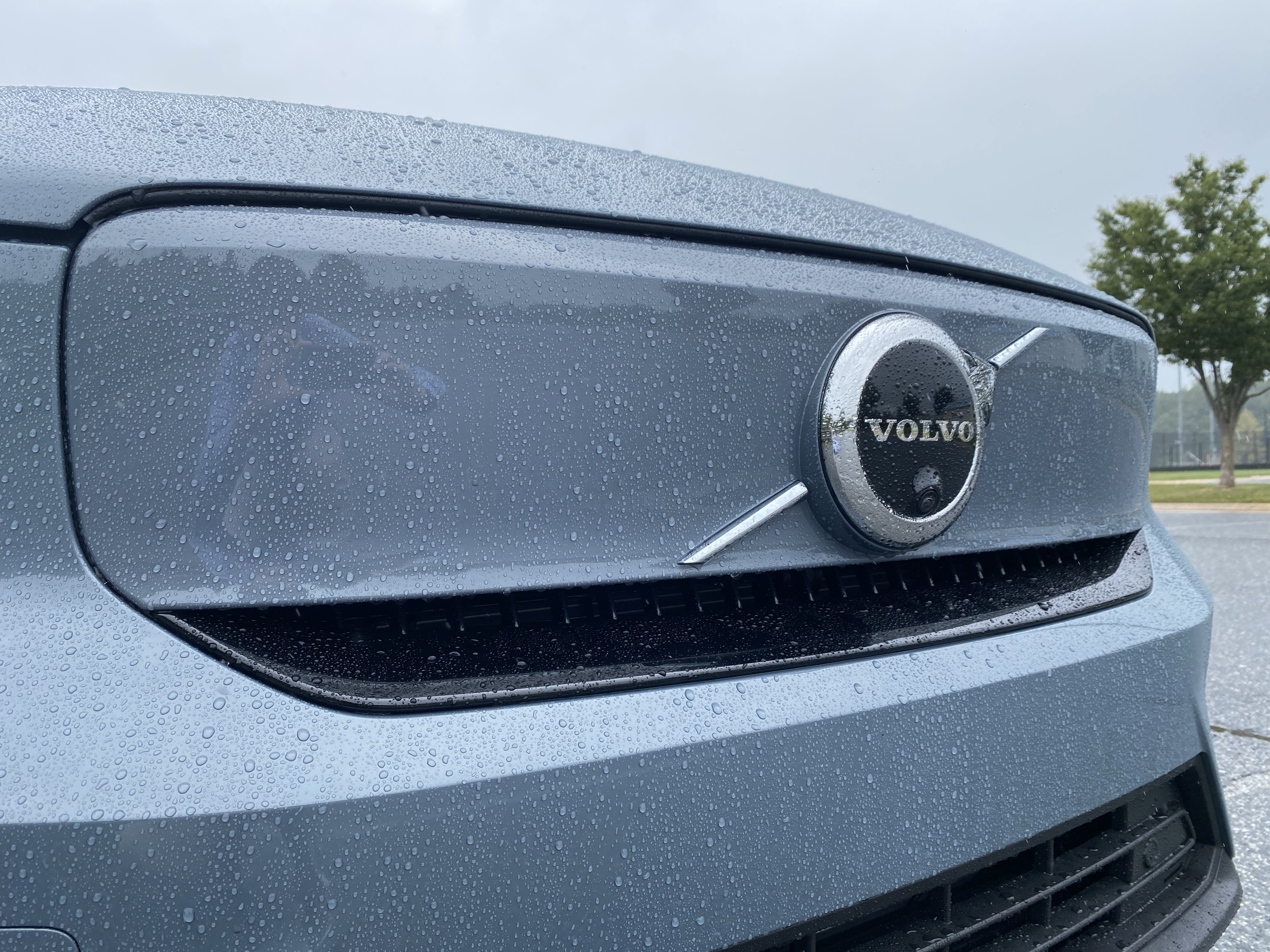
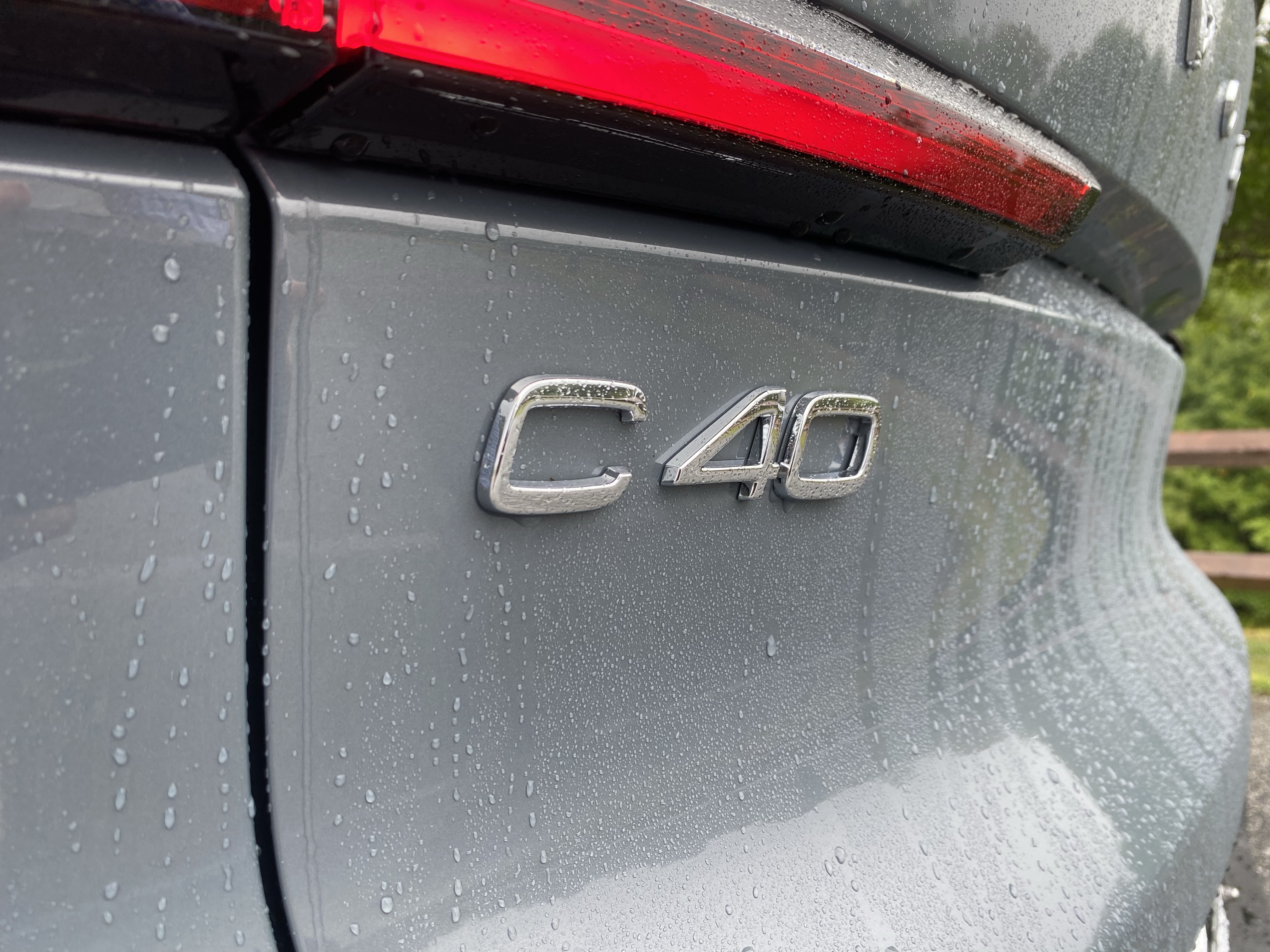
The C40, visually, looks like a coupe version of the XC40 on which it is based. Most of this car is, essentially, XC40 with a few small details to denote the model change. Most notable on the exterior is the rear of the vehicle. A cool new taillight design and a low spoiler are the most striking bits of the car, as well as these strange, almost “vent-like” pieces of architecture above the rear hatch that aren’t seen anywhere else in the Volvo range. For the rest of the car, it looks like a standard XC40 Recharge with its grille delete and fancy new eco wheels. Also carried over from the XC40 is the dual paint choices on the car. The model that I drove was in the new “thunder grey” color and encompassed the whole vehicle, while “fjord blue” and other colors have the option for a black painted roof most often seen in press images. Like all Volvos, the C40 is a handsome, conservatively designed auto that doesn’t try to be in your face like some of the Germans do.



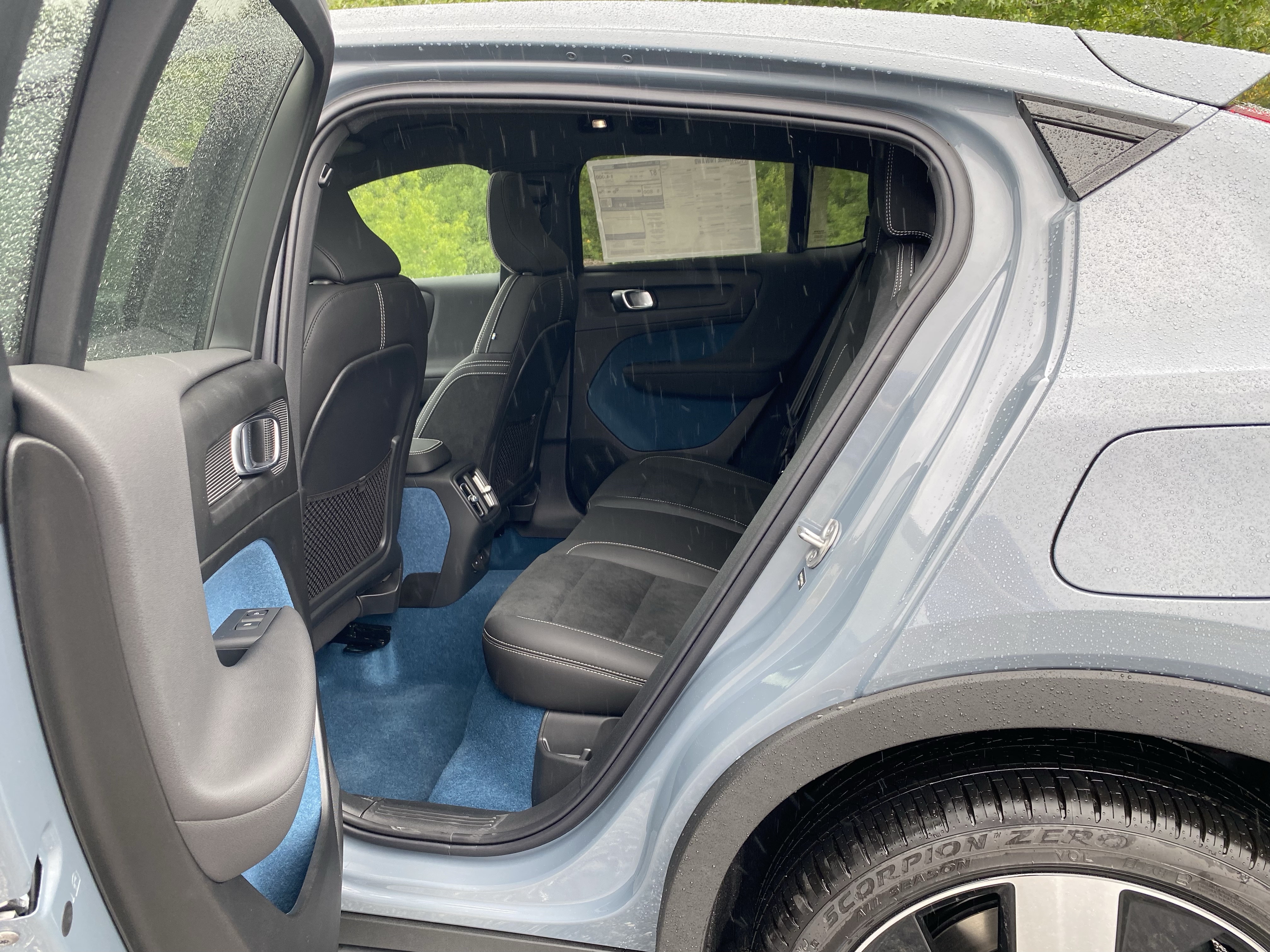
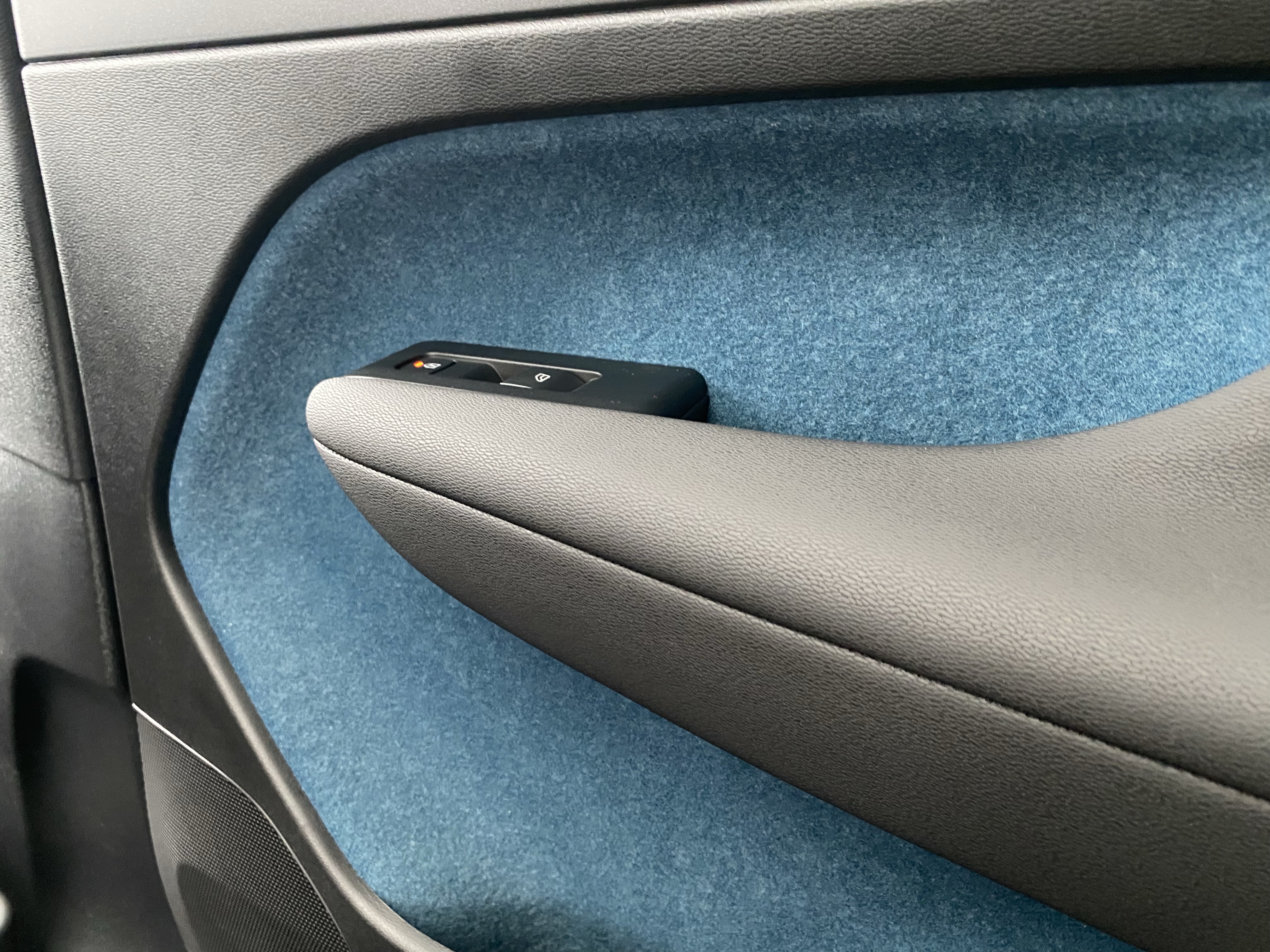
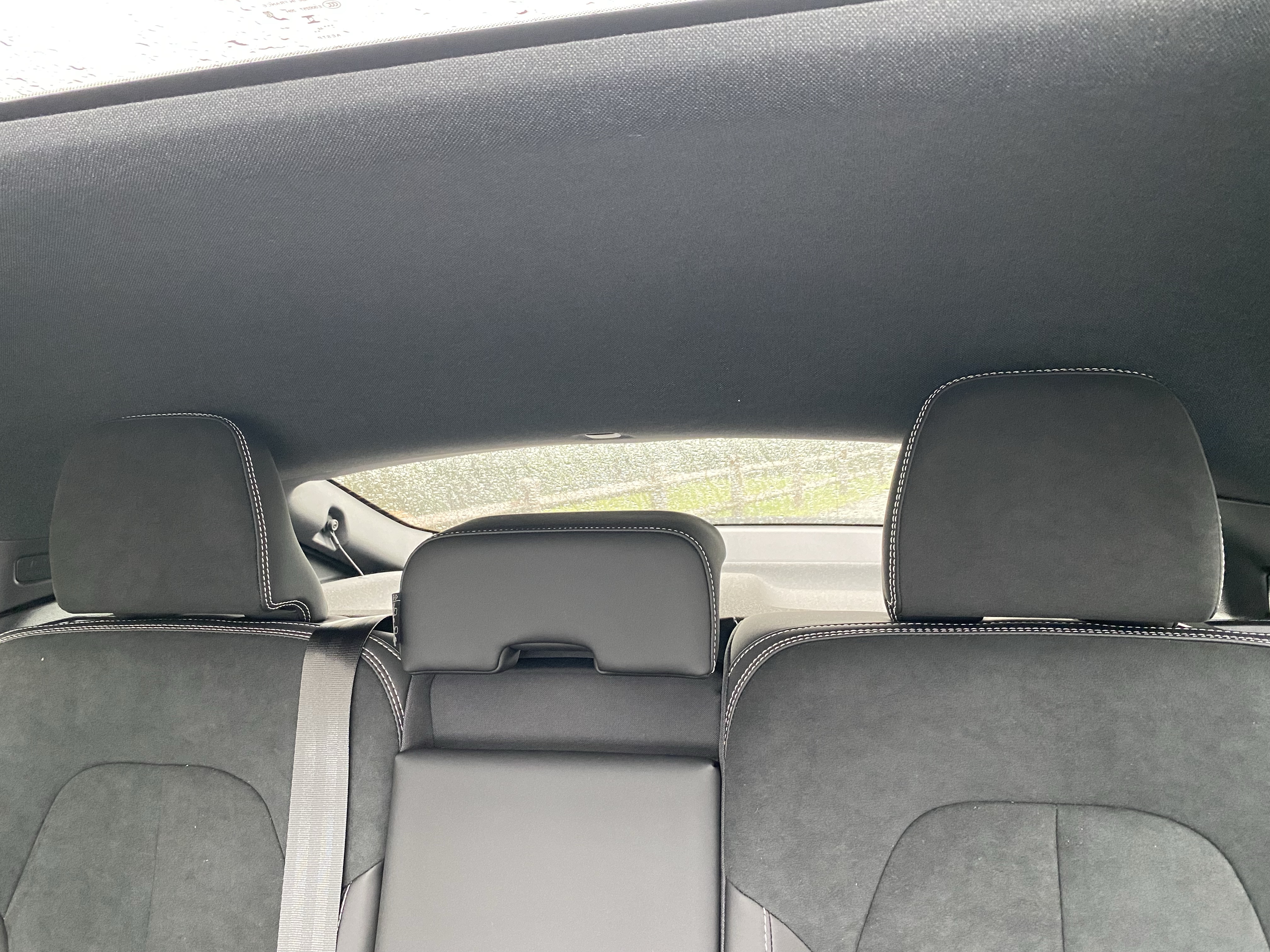
Like the exterior, the interior of the C40 is heavily based on the XC40, what with its multi-colored carpets and weird rubber shift knob. The largest difference between the two models for the interior is the roof, which aside from being lower, has a fixed, tinted, panoramic glass roof. Think of it as the automotive equivalent of the Boeing 787 windows. The rest of the car is your basic Volvo interior with minimal buttons and a heavy focus on technology and quality. That being said, some of the interior pieces feel a bit cheaper than they should. In my review of the S60, I criticized how the center console and some of the plastics felt flimsy and weren’t nice to touch. On a $40k car, I was a bit forgiving. But this is a top-of-the-line Ultimate C40 Recharge that retails for over $60k. The center console’s piano black plastic felt very plastic, and the rubber shift knob felt very weird to grab onto. Something I also noticed when inside the C40 was a lack of the signature floating dashboard that Volvo marketed in the 2000s and early 2010s. In its place are two small storage pockets that don’t add a whole lot of value to the interior. What does add a lot of value, however, is the removable trashcan in the center console. This is outstanding.
The seats, like all Volvos, were comfortable and supportive even if they were a strange mix between Alcantara and vinyl. Rear legroom and headroom are decent for someone roughly six feet but are compromised due to the sloping roofline. The sloping roofline also made the rear visibility rather poor but I can’t fault Volvo too much since every coupe SUV has this issue. Other small, but still interesting interior details to note are both the removable trashcan in the center console and the return of the clip on the windshield next to the driver’s climate vent.


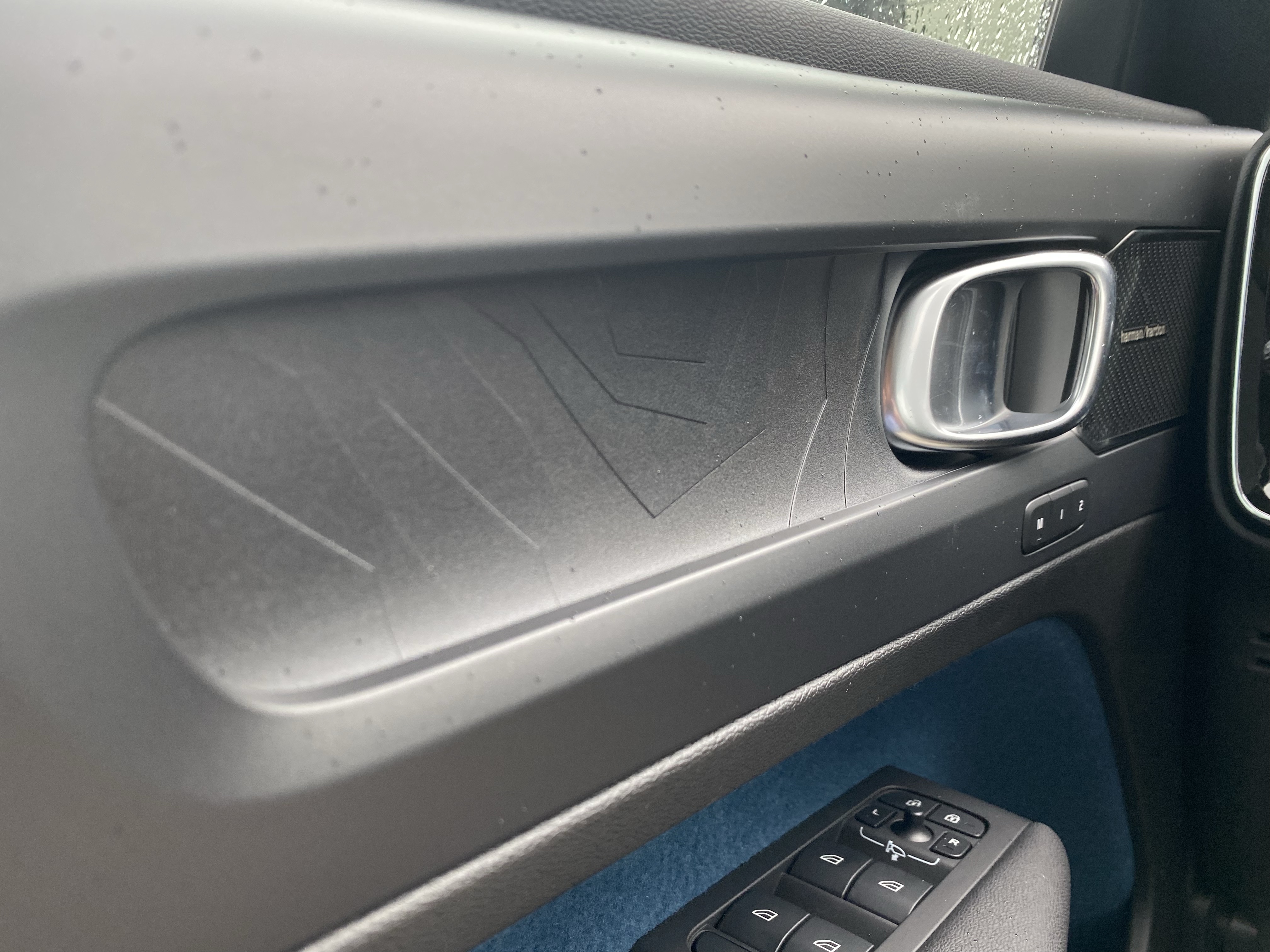





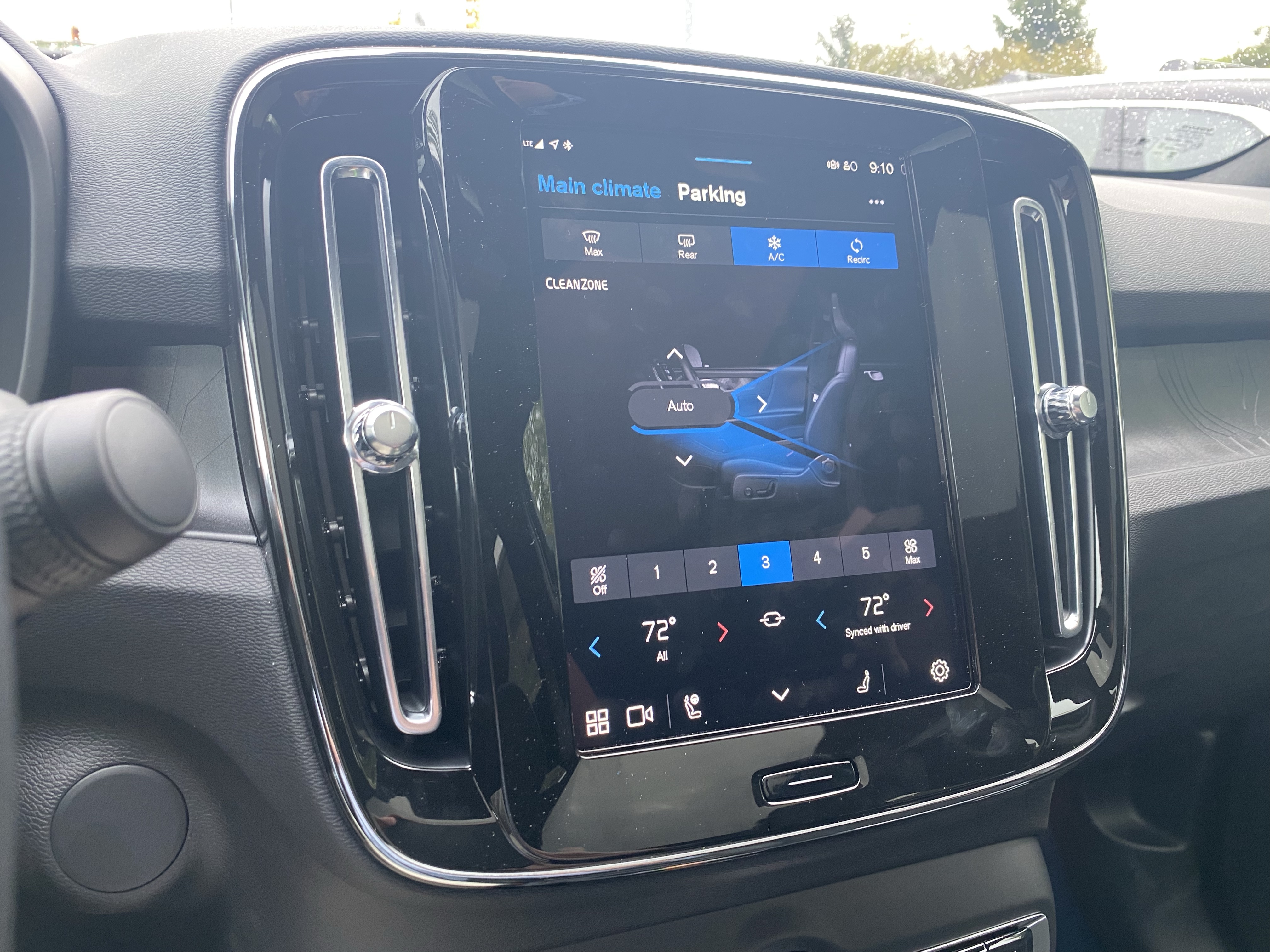
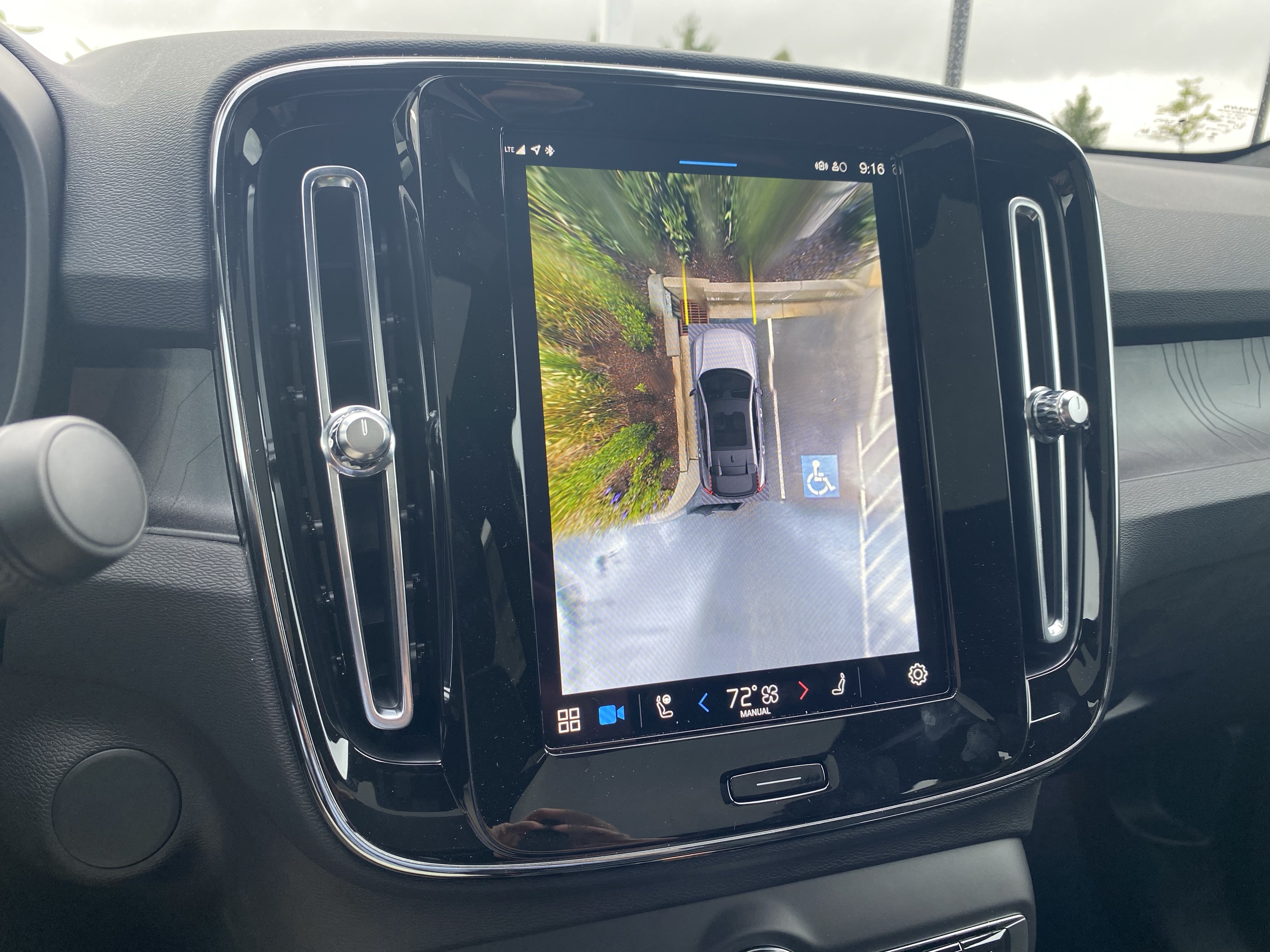
Electric cars seem to focus heavily on technology, and the C40 is no exception. You get the infamous Volvo center screen with most of your controls for climate, the radio, and vehicle functions. You also get a digital driver’s display that shows you speed, battery usage, directions, and what song is playing; consider it a smaller version of the center screen if you will. Included in the Ultimate trim, you get such features as front and rear heated seats, a heated steering wheel, a wireless charging pad, a USB-C port, two 12-volt lighters, Apple CarPlay and Android Auto, and a Harmon Kardon sound system which is the best I have heard in any car I have driven this year. Of course, this list doesn’t include the myriad of safety features that make this car impossible to crash. Seriously, Volvo is aiming at no passenger deaths in any of their new cars. Brake assist, collision warning systems, speed monitoring, a-thousand-and-one airbags, 360 camera, and more help you feel at ease while driving this car because you might need it.


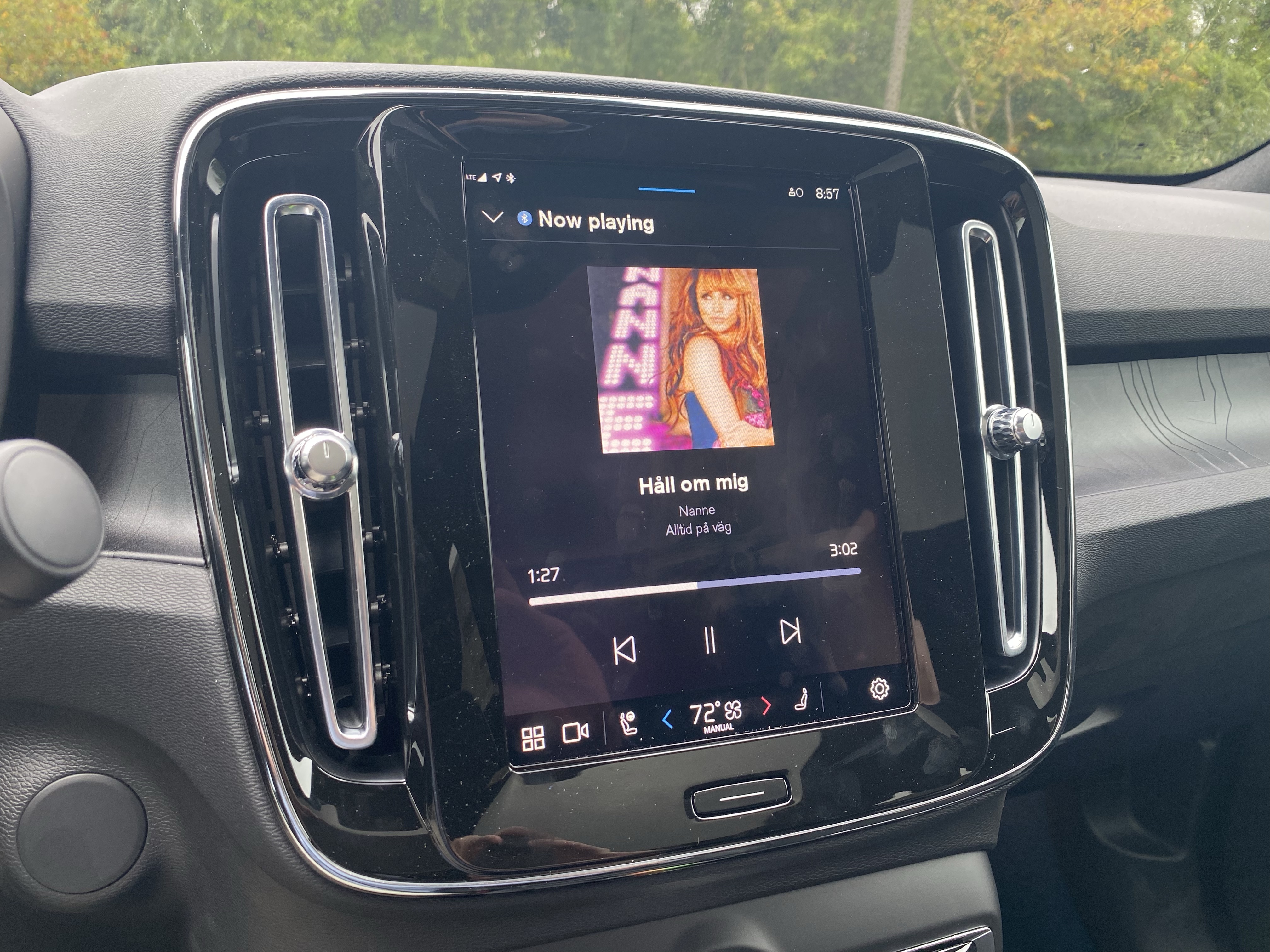


I’ll say it here: This car drives weirdly. Not “electric car weird,” but just “weird.” See, most EVs have a pretty standard one-pedal system, this means that when you’re not pushing on the accelerator, the car slows down automatically causing better regeneration. This works fine, like most cars, but when you do need to put your foot on the brake pedal, it barely moves. At first, I suspected this to be an effect of “one-pedal mode,” but when I went to turn it off in the settings menu, I found it was already turned off. Regardless of the configuration, this car has really stiff brakes. Apparently, it is a similar story on the XC40 as well. Brakes aside, the C40 is a very fun and easy car to drive. Acceleration, like in any EV, is faster than it should be. I was able to do a 0-60 in 4.48 seconds, which is on par with something like the V60 Polestar. Not bad for a crossover. The AWD system keeps the car on the road very well in rainy conditions, and the car felt planted no matter the speed or turn that I took. It is a smooth, quiet, refined ride like a Tesla, plus the added bonus that nothing in the interior rattled as I drove along. There is some wind noise that is normally drowned out by the engine though but music normally fixes it.
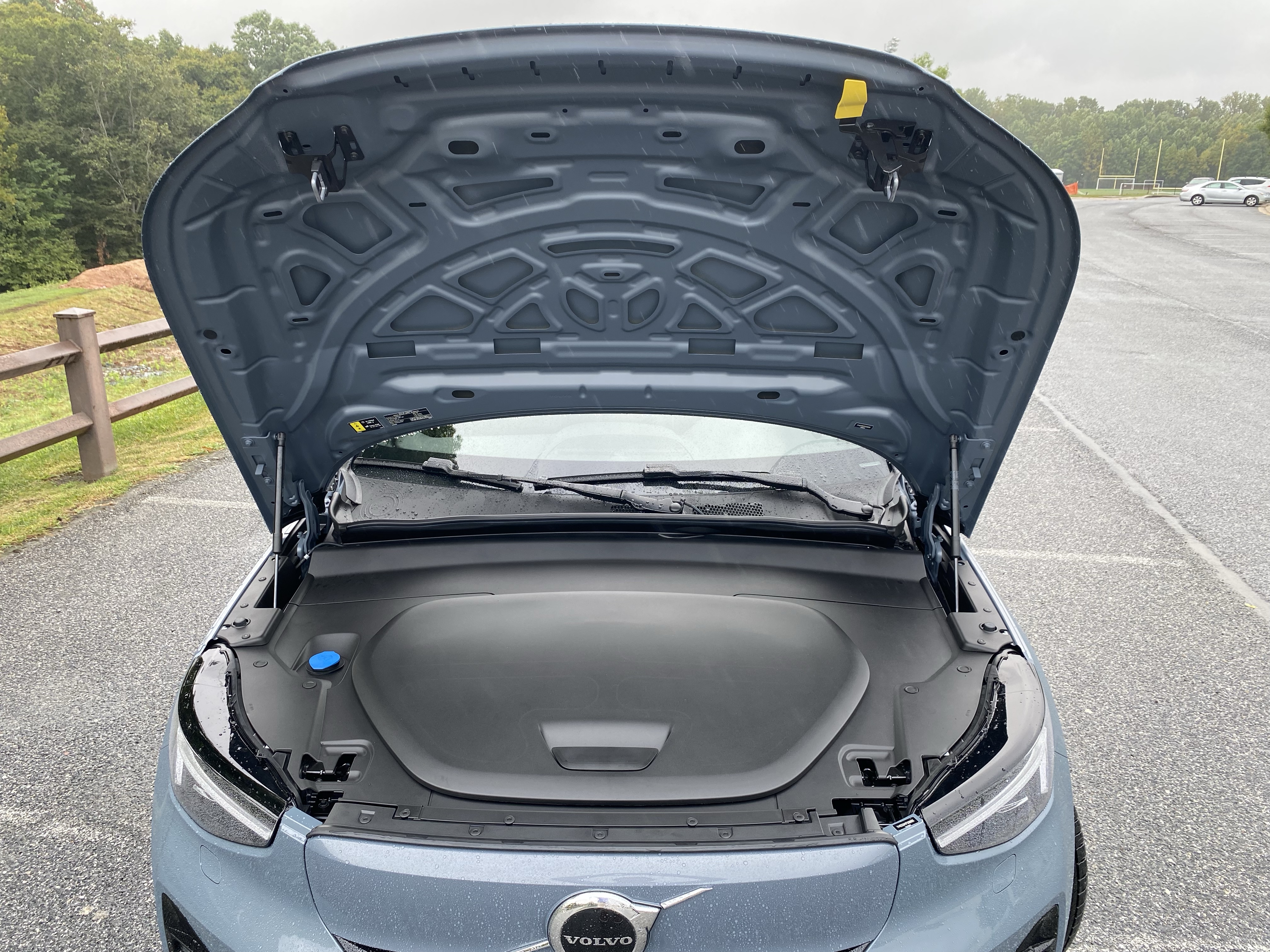
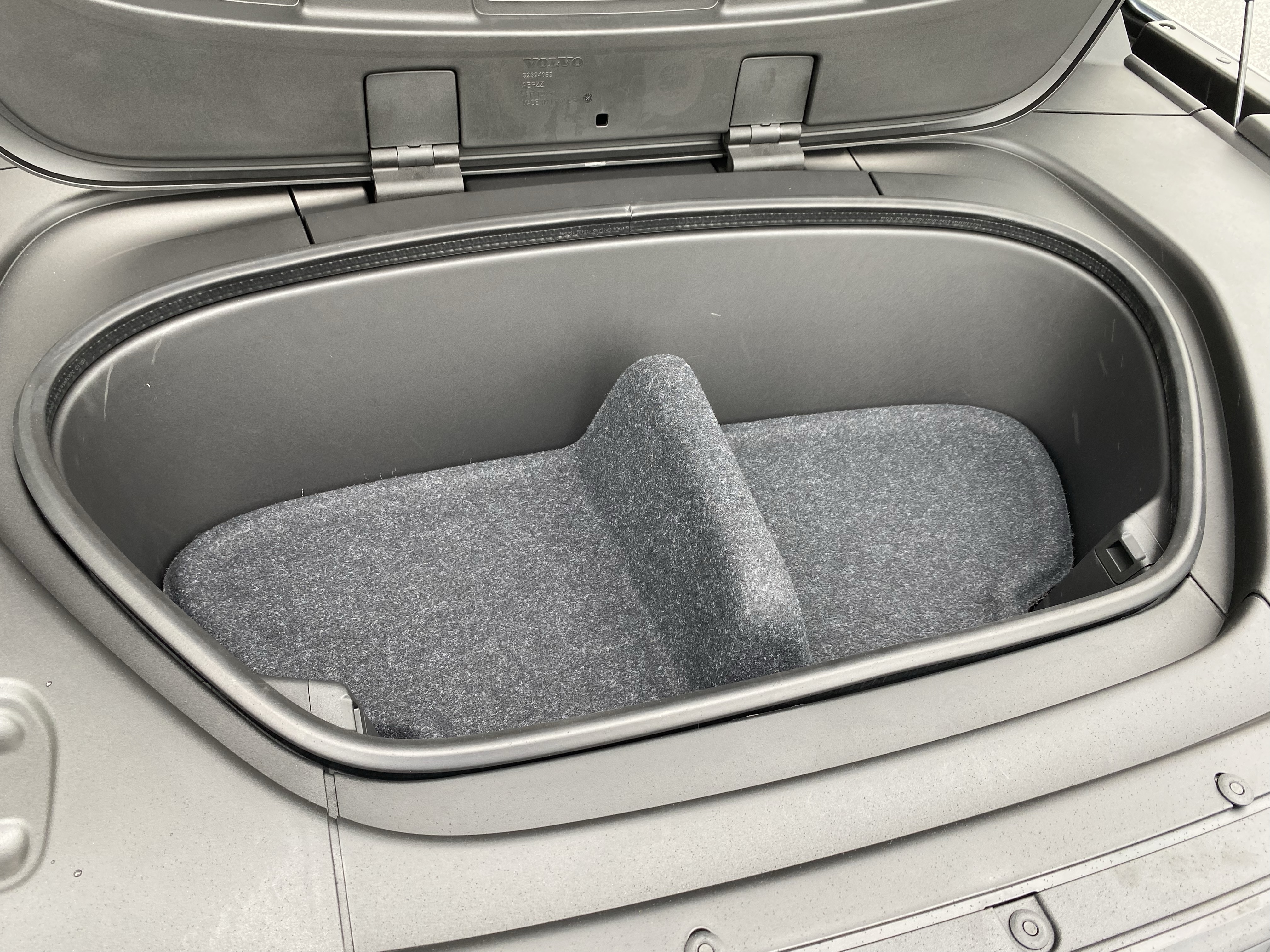
Volvo claims that the C40 will do 225 miles on a single charge, which is believable only because that is what most EV crossovers claim to do. In my hour drive of the car, the battery percentage fell by 2% from 75% to 73% which wasn’t bad, considering I was driving more aggressively than most who would use this car would. It is worth noting, however, that some publications claim the C40 will go far past the number, and that Volvo is being “conservative.” The 75-kWh battery takes roughly 35 minutes to charge from 10% to 80% capacity, and there are settings in the car you can turn off or not to change how much your car is allowed to charge to avoid battery fatigue. The charge port is located where the regular fuel door of the car would be instead of the front like other MHEV Volvo models, strangely. Lack of engine also means the presence of a frunk! But, like all EVs converted from gasoline cars, it’s nothing to write home about, just seven cubic feet of space which are enough for your charging cable.


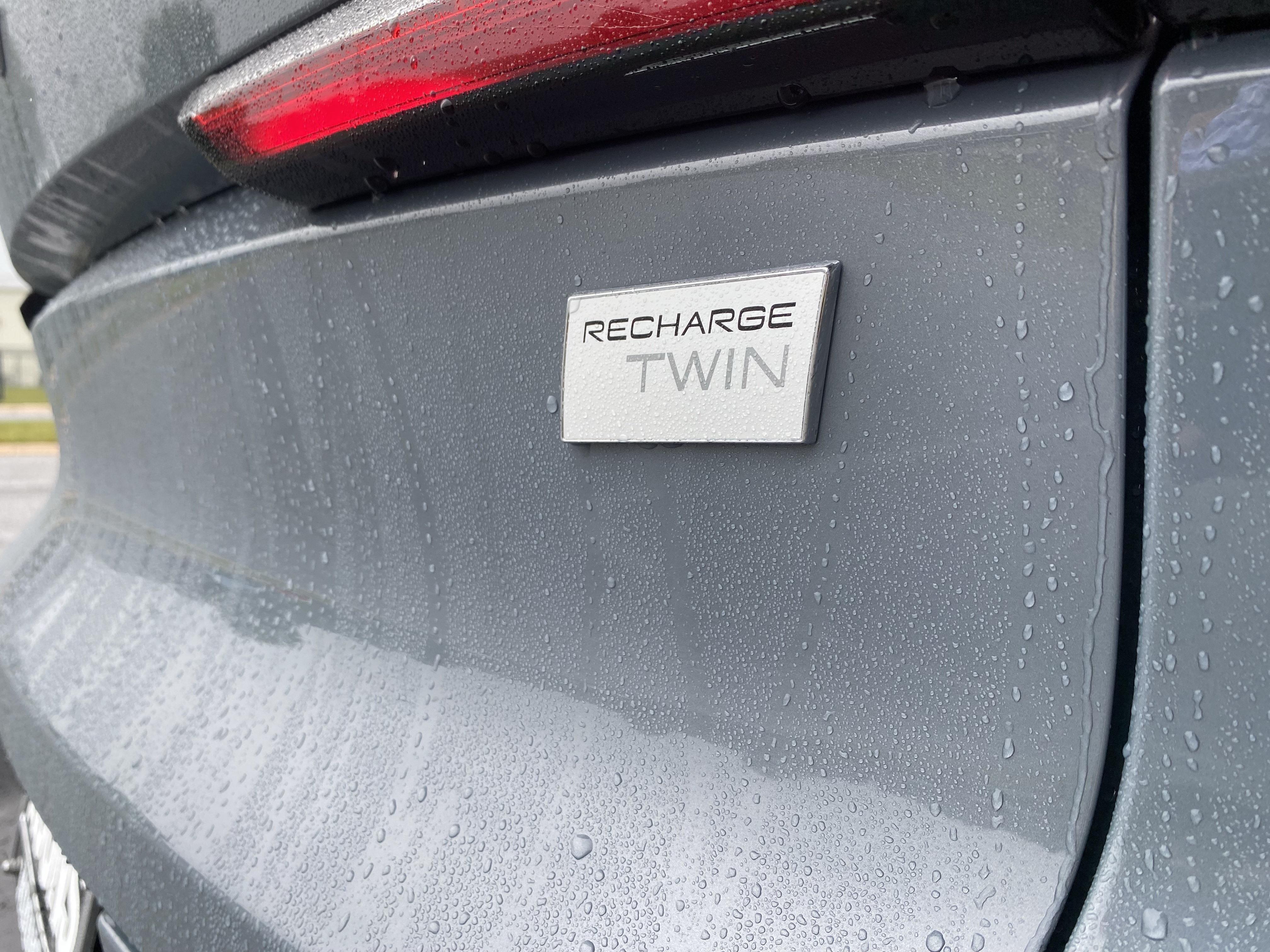
So, Volvos first stand-alone EV. Is it a good car? Yes, it is a very good car. If you aren’t planning on taking 400-mile road trips, I do highly recommend this car. It is a solid EV with a lot to like. The build quality alone puts this higher above any Tesla I’ve driven, and Volvo’s warranties are normally pretty generous, so maintenance costs should be low for a while. Would I buy one? Maybe? Come back to me if they make a Polestar Engineered C40, then we’ll talk.
Huge thank you to Tim and Claron of Koons Volvo White Marsh for letting me, an 18-year-old, take their only C40 out in the rain to drive for an hour. Aside from being great people, they also have an amazing selection of new and pre-owned Volvos that I look at way too often. Click here to view their website.


 Zander Drives Cars
Leave a comment