On January 16th, 2021, FCA (Fiat-Chrysler Automobiles) and PSA (Peugeot S.A.) merged to create the third-largest automotive conglomerate in the world: Stellantis. This company, made up of American household names and European icons promises to be a new chapter for all brands involved, focusing on shared platforms and eventual electric mobility. Since the brands’ inception, most of their automakers have experienced some share in this. For us Yanks, this opens up the ability for American manufacturers to utilize European platforms in order to create more exciting offerings for the US. While Dodge, Jeep, and Ram have in some capacity embraced the change, there’s one brand that has yet to see any change from the merger. That brand is Chrysler.
In the past twenty years, Chrysler went through a transformative period being tossed around by the Germans, the Italians, and the US government with a little rest period. As the brand progressed through the twenty-tens, the lineup shrank and shrank. In 2008, right before the financial crisis, Chrysler had ten stand-alone models on sale in the US. In 2022, the number has dropped to just three; The Pacifica, The Grand Voyager, and the ever-present 300. While it is easy to blame the 2008 financial crisis on the downfall of the Chrysler brand considering every company had to downsize its lineup, including sister brands Dodge and Jeep, the main difference is that both have been able to grow themselves back to where they were beforehand. Jeep released the next generation Wrangler and Grand Cherokee, Dodge put V8s in everything, and Ram was spun off into their own brand while Chrysler sat knee-deep in murky waters.

Considering that Chrysler was historically the luxury-oriented brand, you would think that FCA would give the brand the attention it needed to get back to that point, but for the decade and a half after the financial crisis, almost no work was done to the brand with the exception of a new minivan. As years went by, the brand’s sales started dwindling to the point where even Chrysler executives started questioning the longevity of the automaker. According to multiple news sources, in 2020, multiple former Chrysler executives were attendant in corporate meetings discussing the demise of the struggling marque. However, the brand has stayed around even through the devastating COVID-19 epidemic.
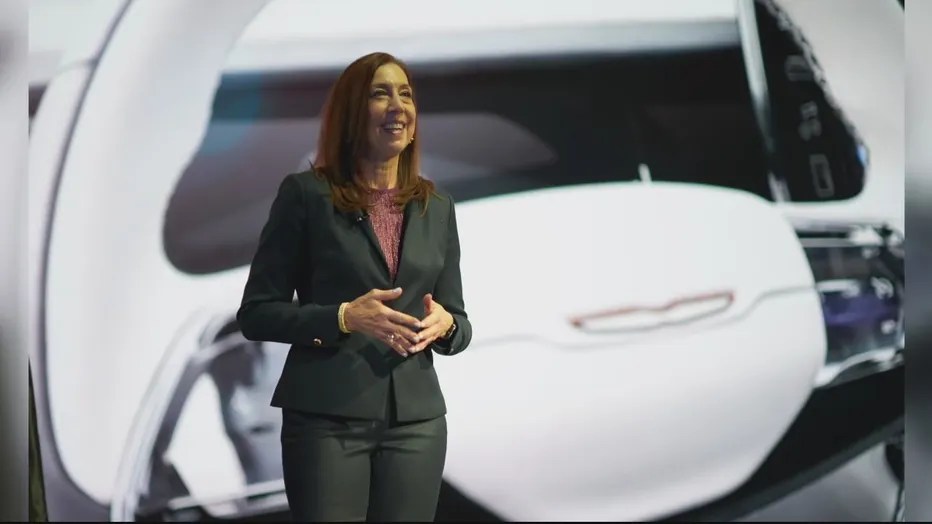
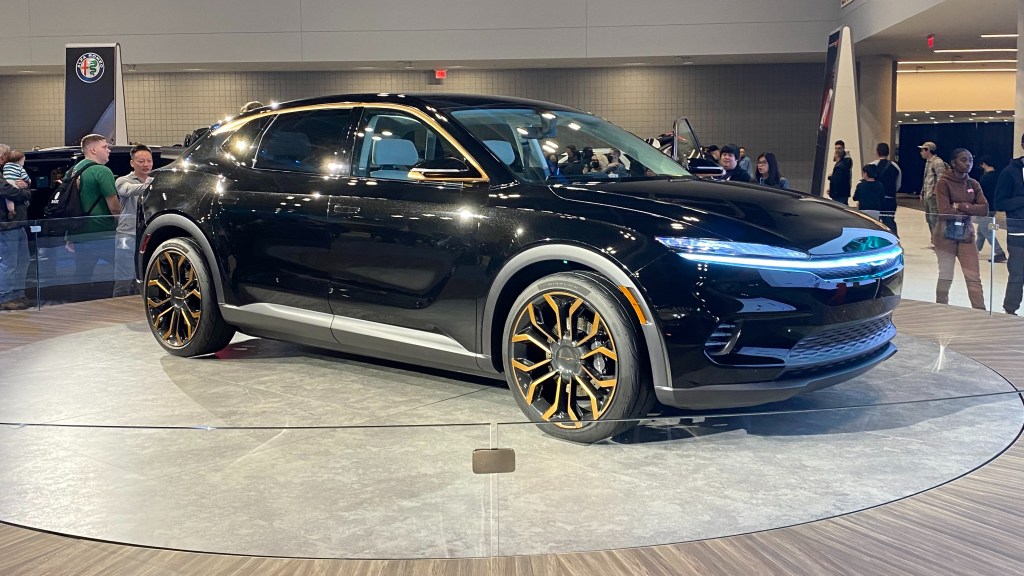
On January 5th, 2022, CNBC reported that the brand would go under a “massive electrification program” beginning in 2028, almost six years down the road. While that might seem like a job well done, we have seen countless examples of brands in the past who had stated publicly their want for change (ahem, Saab) but ended up going out of bankrupt or ending business before that deadline was reached. Chrysler further proved their ambitions by revealing the Airflow EV concept at the 2022 New York International Auto Show as a “preview” of what the brand will be like at the end of the decade. Whether or not this concept goes into production is years down the road, but if the brand does head towards the “electrified luxury crossover market” that could be a big deal considering its only competition from the Big Three is Cadillac.
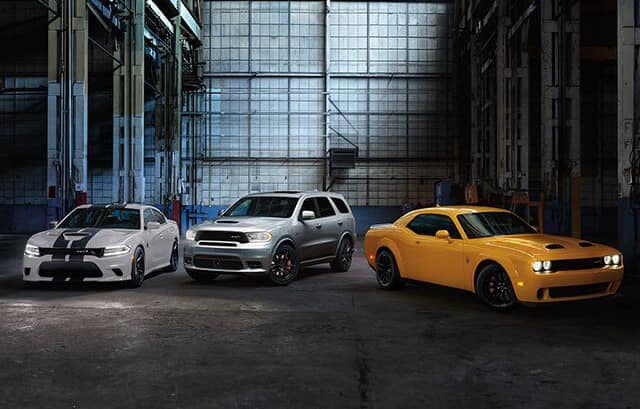
For any other brand, the news of a complete Ev switch would eliminate almost any question of non-longevity but I continue to have my worries on whether or not these next few years will be kind to Chrysler until the brand goes all-electric. They just don’t have anything to stand up on. Even though Dodge could be seen as a similar case considering the departure of the Charger and Challenger, they still have the V8 and SRTs to keep customers coming back.
As for Chrysler, we’re just going to have to wait for time to give us an answer. Viva la 300.


 Zander Drives Cars
Leave a comment