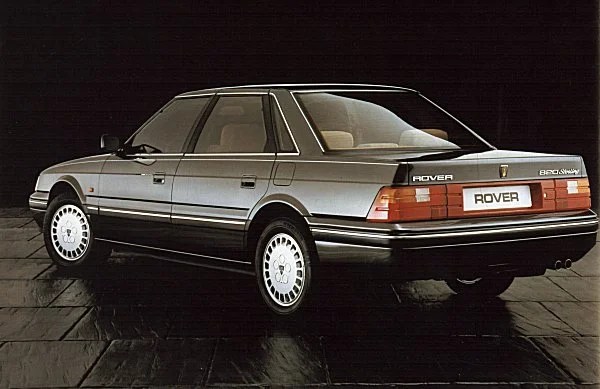
The stigma around British cars is deeply rooted in history as one of two things. The first being a sense of luxury and importance, and the second being unreliability. It is no secret that cars from across the pond struggle in the states. With the exception of the Range Rover, British cars have never had a massive foothold in the American market quite like German or Japanese cars have. While there were (and still are) some deeply iconic British cars on sale in this country, most of the time, old marques stayed across the pond. That begs the question, what if they didn’t?
In 1988, British car maker Rover (responsible for the original Range Rover brand, for those unaware) struck up a deal with Acura, the newly formed luxury division of Honda to sell rebadged Rover 825s and 827s in the United States. However, they wouldn’t be sold under the name Rover nor Acura, instead, they came up with a whole new brand: Sterling.

In theory, it seemed like a good idea. Take the history, luxury, and stigma of a British car, with the backing of a reliable Japanese company and roll it into a brand suited for Americans. To some degree, it was a good idea. In the first sales year of the 825 in 1988, Sterling sold roughly 14,000 units, which for a brand new car company was a massive achievement even still today. Unfortunately, that early success would quickly stagnate due to problems that, in hindsight, were foreseeable.
The first problem people often overlook when covering this topic is that there was no brand recognition. Sterling, and by extension Rover, meant nothing in the US. Both names were foreign to car buyers, and even heavy promotion with ads and model cars (yes, model cars. I own one) didn’t help get the brand out there. Keep in mind, that this was a time when another automotive superpower, Toyota, had launched Lexus, a brand with more promotion and an even bigger backing. In Lexus’ first year, they sold just over a thousand more cars than Sterling due to the brand meaning nothing to the eyes of Americans, however, Lexus’ success was driven by the one other thing that Sterling didn’t have. Reliability.
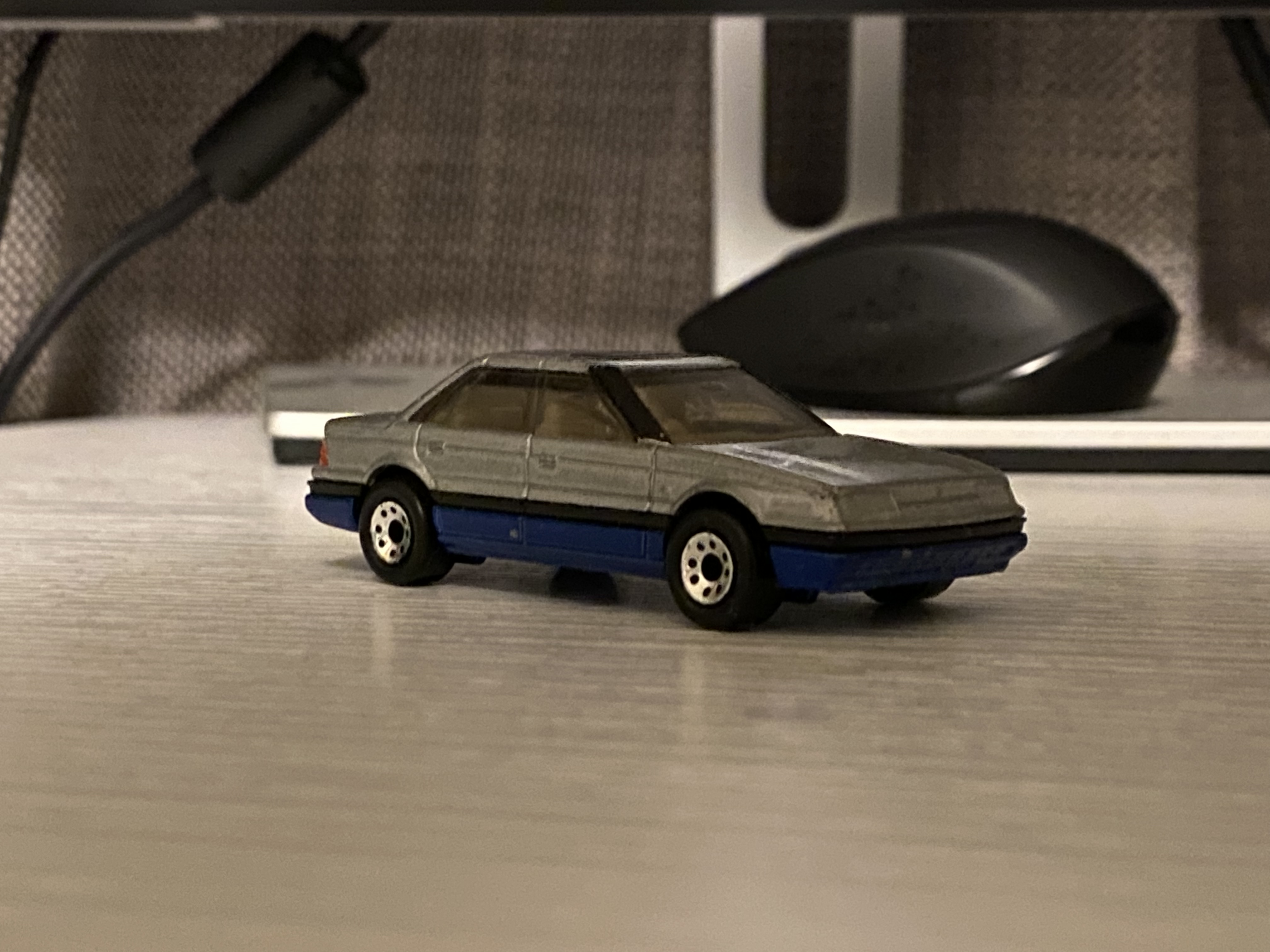

A Matchbox Sterling 825 owned by yours truly
Almost immediately, Sterling cars were panned by critics as being some of the most unreliable cars of the decade. Mainly due to the faulty electrics provided by Rover. Motortrend reported nine major quality control issues during their test of the car in 1988 stating that “these were only the problems we bothered to fix” going on to list over a dozen smaller, but still present issues with the car. It wasn’t just Motortrend that had issues. Automobile Magazine, Car & Driver, Consumer Reports, and hundreds of smaller publications all recounted similar Sterling horror stories that all closely matched the descriptions of everyone who tested them.
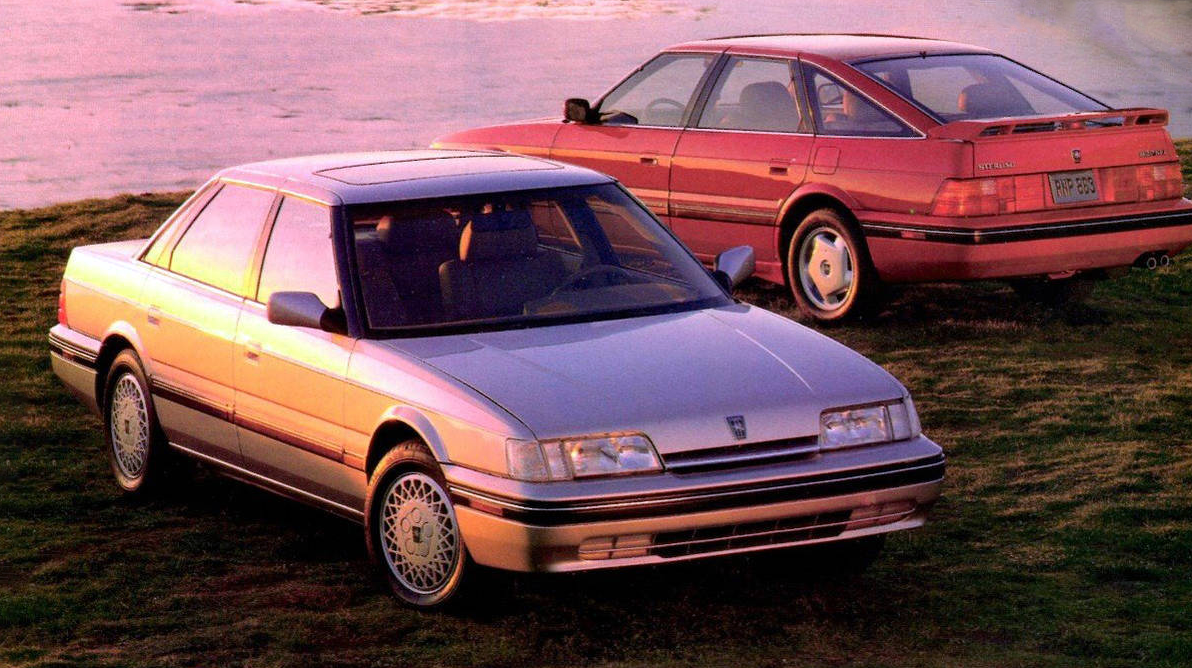


Photo Credits: The Daily Drive, Motor Authority
So, with major quality control issues mixed with little marketing and poor management on the British side of the operations, Sterling folded in 1991 selling just over 35,000 units in a five-year run. To most, the Sterling 825 became an automotive footnote only to be examined when scrolling through Wikipedia’s list of “Cars commonly considered to be the worst” or coming upon one at a Cars & Coffee event. It’s a shame because there were some rights for all the wrong the Sterling did.

For starters, the engine in the Sterling 825 was a Honda-derived V6 that was also featured in the Legend (with which the Sterling was partly developed with) and generally received favorable responses from the same journalists who trashed it in later departments. The V6 was smooth, offered decent fuel economy, and was often cited as being “the most reliable part of the car.” Aside from the engine, the amount of equipment you got in a Sterling was also seen as a plus for buyers. Granted, some of it may not have worked 100% of the time, but for a car in 1988 with heated electric leather seats, a CD player, ABS, real wood, and an all glorious car phone at a price of (in 2022 dollars) $50,557 wasn’t an awful deal. The 825 also handled better due to specialized handling and suspension parts unique to the car, often being put up against the BMW 5 series and Mercedes W124.
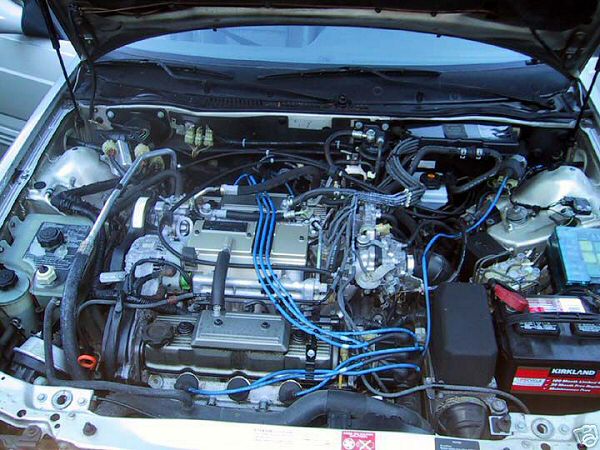

Photo Credits: CarThrottle & Curbside Classic
Today, as with many other cars like it, Sterlings have garnered a cult following among car enthusiasts and some still remain on the roads today. I can tell you from experience that there are two separate 825s in a ten-mile vicinity of me. Prices for Sterlings on the used car market have also steadily increased by a little over the past couple of years. Could this possibly start a resurgence in the brand and car itself? Probably not. It’s the same deal as cars like the Chrysler TC by Maserati or 7th generation Ford Thunderbird. Just because it’s old doesn’t mean it’s worth something. Maybe it is to a certain person, though. And if that is what floats your boat, all power to you, unless, because it’s a Sterling, there is no power.

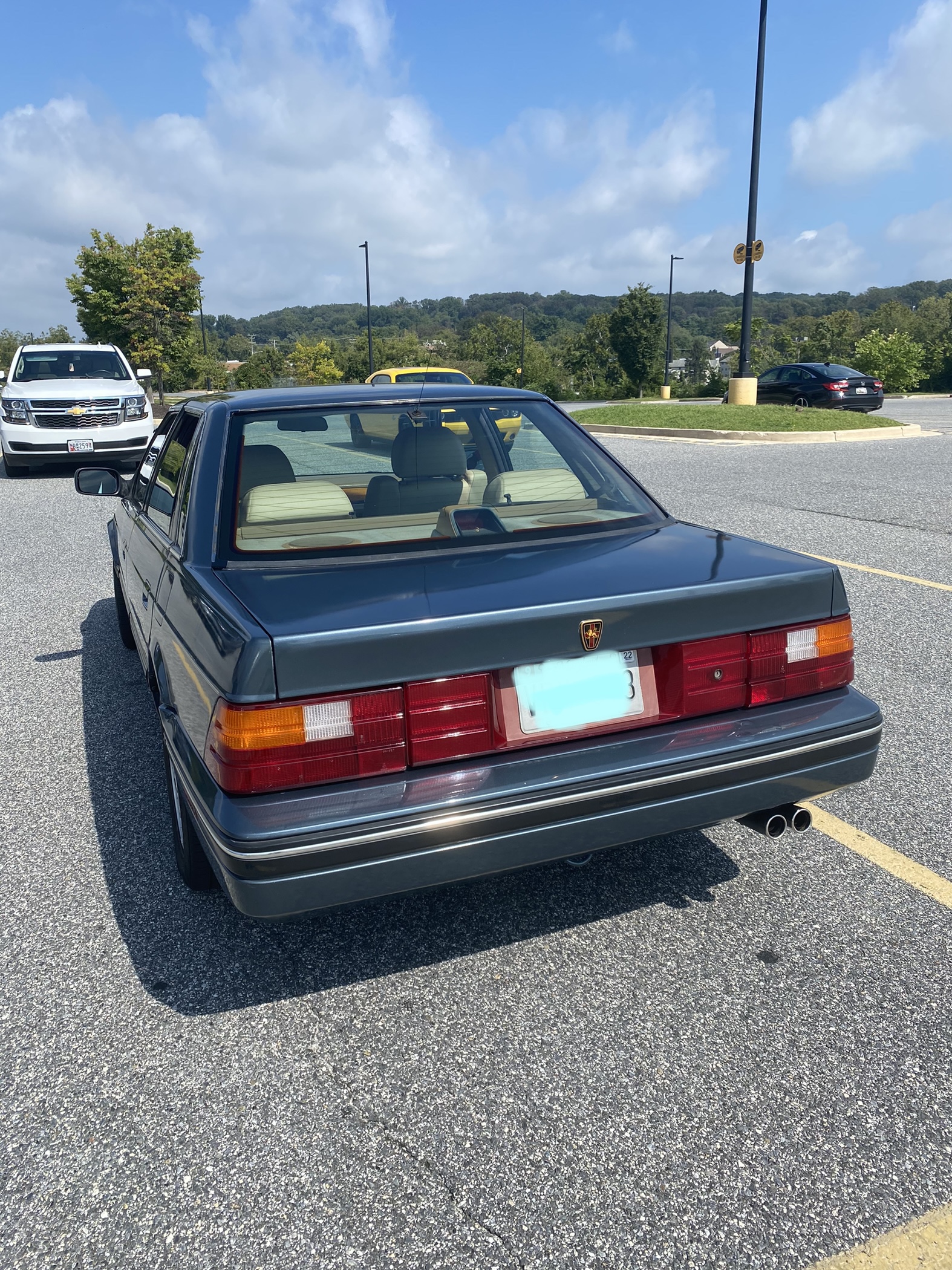

One of the two Sterling 825s in Baltimore


 Zander Drives Cars
Leave a comment